
Welcome to GreenMore
Welcome to GreenMore
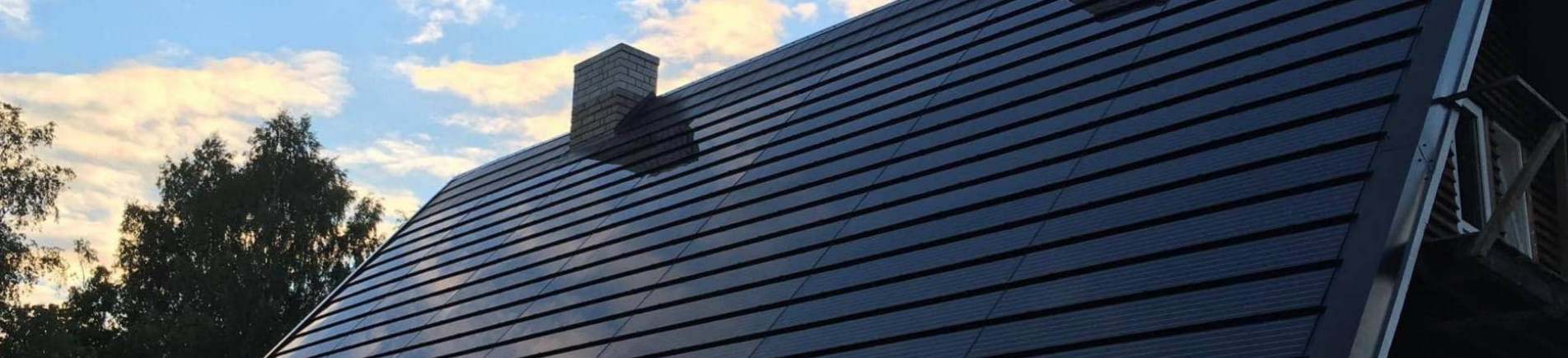
Solution
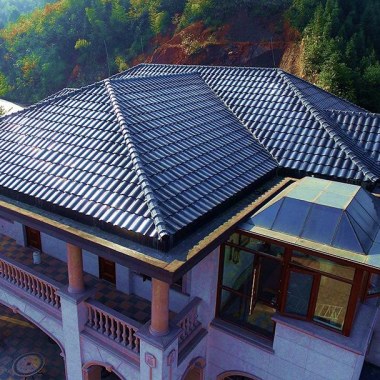
The solar roof system is a building-integrated photovoltaic (BIPV) solution that replaces conventional roof tiles with power-generating ones. Available in three-curved, flat and single-curve profiles, it combines weather protection with clean electricity generation — delivering heat insulation, waterproofing, fire safety and hail resistance in one product. Designed by GreenMore for homes and commercial buildings, the system operates reliably from -40°C to 85°C and is backed by a 25-year power warranty. Why Choose the Hantile Solar Roof System Unlike rack-mounted panels fixed on top of an existing roof, solar shingle are the roof. They install with familiar roofing methods, remove the need for separate mounting rails, and give the building a clean, integrated appearance. Using the latest back-contact cell technology, the tiles reach up to 24.1% module efficiency, while the double-glass structure protects the cells from moisture, impact and long-term UV exposure. Protection and Safety Features Fireproof Class C fire rating for residential roofing safety Waterproof Overlapping profile creates a reliable rain barrier Hail Resistant Toughened double-glass surface withstands impact Wind & Stress Secure fastening, tested mechanical load resistance Lightning Protection Complete grounding and lightning-protection design Roof Profiles and Overall Solutions Three-Curved, Flat and Single-Curve Tiles The range matches traditional architectural styles across Europe, the Middle East and Asia. Curved profiles suit classic and Mediterranean roof lines, while flat and single-curve tiles fit modern, low-pitch designs. Edge and ridge tiles complete the weatherproof finish. Double-Slope Roof Balanced layout for standard gabled residential roofs. Multi-Slope Roof Modular tiling adapts to hips, valleys and complex planes. Edge Tile Details Matching edge and glazed ceramic finishes for a clean look. Related Installed Projects Japan Curved Solar Tile · 25 kW Israel Triple-Arch Solar Shingle · 20 kW Denmark Three-Curved Solar tiles · 15 kW Learn more about application cases → Engineering and Compliance Operating temperature: stable performance from -40°C to 85°C Fire rating: Class C, suitable for residential roofing Mechanical performance: tested load and wind resistance for secure installation Certifications: EN 14782, EN 1090-1, ISO 9001, ISO 14001 and CE Warranty: 25-year power warranty on the solar tiles Frequently Asked Questions Can Solar Shingle replace my existing roof tiles? Yes. solar shingle are designed to be the roof covering itself and are installed using conventional roofing methods. The curved and flat profiles match standard roof dimensions, so structural changes are usually not required. How efficient are solar tiles? GreenMore solar tiles use two cell technologies. Our back-contact crystalline tiles reach up to 24.1% module efficiency, while our thin-film solar tiles deliver around 20% efficiency with strong performance in low light, high temperatures and partial shading. Actual output depends on roof orientation, shading, local irradiance and system configuration. What is the difference between solar tiles and conventional solar panels? Conventional panels are mounted on rails above an existing roof, whereas solar tiles are the roof covering itself. Solar tiles remove the need for separate racking, give a cleaner integrated appearance and are often preferred for new builds and roof renovations. Rack-mounted panels generally have a lower upfront cost and are easier to fit on an existing roof. How much maintenance do solar tiles require? Very little. The double-glass surface is durable and weatherproof, and normal rainfall helps wash away dust. In dry or dusty locations, an occasional visual inspection and gentle cleaning will keep output high. The waterproof overlapping design and secure fastening reduce the need for ongoing roof maintenance. What warranty is provided? The solar tiles carry a 25-year power warranty. When the system includes storage inverters or lithium batteries, those components carry a separate 3-year warranty. Does GreenMore support distributors and OEM projects? Yes. GreenMore supplies system design, technical documentation and remote commissioning support, and offers OEM customization for tile dimensions, colours and electrical specifications to meet local building codes. Planning a BIPV solar roof project? GreenMore provides complete Hantile roof systems for homeowners, distributors and EPC partners. Contact our engineering team → Recommended Products Triple-Arch Solar Shingle Industrial-grade curved tile for large projects and bulk supply. Flat Tiled-Type Solar Tile Waterproof BIPV tile for residential and commercial roofs. Waterproof Solar Roof Tile Durable photovoltaic tile for residential and commercial projects. BC Cell Curved Solar Tile High-efficiency power generation for residential rooftops.
Read More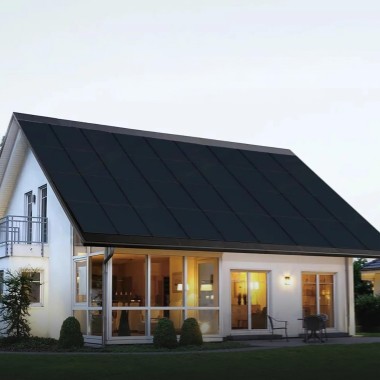
GreenMore home solar solutions combine rooftop photovoltaics, household battery storage and smart energy management to power a home with its own clean electricity. Solar generated on the roof is used first, surplus energy is stored for the evening and the system switches to backup automatically in an outage — lowering electricity bills, keeping essentials running and reducing the household's carbon footprint across villas, self-built homes and rural residences. Self-generated power that cuts bills, backup that beats blackouts, whole-home green energy and effortless smart control. Where Home Solar Fits Rural self-built and detached homes Ample roof space suits a larger PV array to cut everyday electricity costs to a minimum. City villas and duplex homes Attractive modules and lightweight mounting balance power generation with architectural appearance. Frequent-outage areas Battery storage acts as emergency backup to keep appliances, lighting, cameras and routers powered. Green, low-carbon living Clean home energy fits a green-residence lifestyle and adds value to the property. Home EV charging Self-generated solar powers an electric vehicle and sharply cuts the cost of charging at home. Six Core System Modules Solar PV Generation High-efficiency monocrystalline or lightweight flexible modules on the roof, terrace or sunroom convert sunlight into clean electricity and suit steel, concrete and irregular roof structures. Home Battery Storage A household battery with smart BMS and fire protection stores surplus daytime energy for night-time use and automatically switches to off-grid backup when the mains fail. Smart Inverter System The inverter converts DC solar power into household AC and supports three modes — grid-tied self-use, surplus feed-in and off-grid backup — matching everyday home routines. Home Energy Management A home terminal tracks solar generation, household consumption and battery level in real time and sets power-use priority automatically to maximise savings. Safety and Distribution Dedicated grid switch, lightning, overload, short-circuit and earth-leakage protection, plus anti-islanding and auto-disconnect, keep household power safe and stable. Cloud Operation and Maintenance A mobile app and cloud platform show generation, usage, savings and device status, with automatic fault alerts and remote troubleshooting so no manual supervision is needed. System Connection Diagram Core Benefits Lower electricity bills: self-consumption replaces purchased power for steady long-term savings. Outage backup: seamless battery backup keeps the refrigerator, lights, cameras and router running. Fits any home roof: standard, lightweight or bonded installation without damaging waterproofing or appearance. Effortless and smart: fully automatic operation, live mobile visibility and proactive fault alerts. Green and value-adding: clean energy suits modern living and raises property value. Long-lasting: PV modules are designed for a 25-plus-year life, installed once for long-term benefit. Project Value Economic Less grid consumption, lower bills and, in many regions, feed-in revenue and local PV support. Safety Resolves sudden outages and voltage instability for reliable basic household power. Lifestyle A green, smart and efficient modern home energy system for greater comfort. Asset PV and storage are a value-adding upgrade that makes a home smarter and greener. Related Cases Austria 30 kW Photovoltaic Project High-performance lithium batteries and solar inverters form a complete PV-and-storage architecture. Smart energy management handles generation, storage and peak regulation to deliver stable, economical and clean power around the clock and help the household become energy self-sufficient. China 17 kW Household Solar Project Solar inverter: GM-LW802 off-grid solar inverter Lithium battery: GM-ESS-B200S16 10 kWh wall-mounted energy storage system PV modules: JA JAM72D40, 17 kW array System type: off-grid, multiple units in parallel, self-generation and self-use The inverter and battery carry a 3-year warranty; the PV modules are designed for a 25-plus-year service life. Personalised Home Solar Service GreenMore tailors every system to the home's layout, roof condition and electricity needs, with a free site survey and dedicated quotation. We support design, equipment supply, installation guidance, grid acceptance and after-sales service, and offer standard, lightweight or fully custom PV-and-storage packages from 3 kW to 30 kW. Frequently Asked Questions What is a home solar system? A home solar system generates electricity from rooftop PV panels, stores surplus energy in a household battery and manages usage through a smart inverter. It lets a home use its own clean power, with the grid as backup when needed. How much can I save on electricity bills? Savings depend on roof size, local sunlight, electricity tariffs and how much power is used during the day. With self-consumption and battery storage, a well-sized system can cover a large share of household consumption and reduce bills substantially over its life. Will my home still have power during an outage? Yes. A system with battery backup switches to off-grid mode automatically when the mains fail, keeping essential loads such as lighting, the refrigerator, router and security cameras running until power returns. Can solar be installed without damaging my roof? Yes. Systems can use conventional, lightweight or bonded mounting suited to the roof type, and installers protect the existing waterproofing and finish. Tiled, steel and concrete roofs can all be fitted with appropriate fixing methods. Can I add a battery or expand later? Yes. Modular inverters and batteries allow storage to be added or capacity increased without replacing the whole system, provided the initial equipment is chosen to support expansion. What warranty and support are provided? PV modules carry a 25-year power warranty, while the inverter and lithium battery carry a 3-year warranty. GreenMore provides installation guidance, app-based monitoring, spare parts and after-sales support for homeowners and installation partners. Want a solar system sized for your home? Tell us your roof type, monthly usage and location for a free survey and proposal. Contact our team → Related Products Balcony Solar System 5kW Off Grid Solar System 10kW Energy Storage System 30kW Solar System
Read More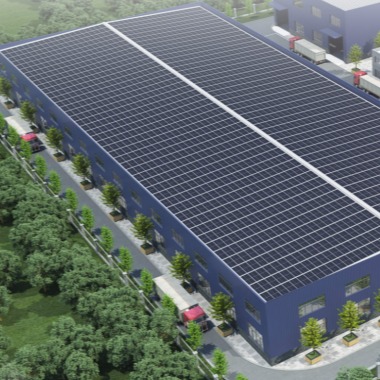
A flexible BIPV roof system uses lightweight, bendable solar modules that are bonded or laid directly onto the roof surface. At roughly 2.5–6 kg/m², the modules are far lighter than conventional glass panels and follow curved, irregular or load-limited roofs with few or no penetrations. This makes them well suited to retrofits and architecturally complex buildings — provided heat dissipation, bonding durability, fire and electrical safety are engineered properly. Flexible BIPV is not a universal upgrade over rigid panels; it is the right choice where low weight, shape adaptability and a non-penetrating installation matter most. At a Glance Lightweight Typically 2.5–6 kg/m², for roofs that cannot carry glass panels. Bendable Follows curved, arched and irregular roof surfaces. Non-penetrating Bonded or laid in place, reducing roof damage and leak risk. Cell options Flexible crystalline, thin-film and emerging perovskite. Advantages and Engineering Considerations Aspect Advantage What to verify Weight & load Much lighter than glass modules; suits load-limited roofs. Confirm roof capacity, wind load and snow load. Shape Bends to curves, arcs and irregular surfaces. Bend radius and bonding flatness affect output and life. Installation Bonded or laid with few holes, less racking. Validate adhesive ageing, de-bonding and wind lift. Building integration Translucent, coloured and curtain-wall options. Transparency and colour can reduce efficiency. Performance Flexible crystalline can exceed 23%; thin-film performs well in low light. Some flexible modules still trail premium rigid panels. Durability No glass, good impact resistance, easy handling. Check weathering, yellowing, delamination and moisture ingress via certifications and warranty. Cell Technologies Flexible crystalline is closest to a conventional generation scenario, with flexible crystalline modules now reaching 23% or higher. Thin-film offers advantages in translucency, colour options and low-light or high-temperature performance. Perovskite shows strong potential for ultra-light, curved and indoor low-light applications, though long-term outdoor stability at scale is still being validated. GreenMore selects the technology based on roof geometry, irradiance and project lifetime requirements. Suitable Buildings Load-limited roofs: older factories, colour-coated steel (corrugated) roofs, light-steel and grid structures, rural buildings, coal sheds and carports. Curved or irregular architecture: arched roofs, spherical or wave-shaped venues, artistic buildings, irregular facades and historic-building renovations. Waterproofing-sensitive roofs: commercial, industrial or residential roofs that should not be drilled or have their existing waterproofing disturbed. Daylighting or aesthetic builds: skylights, glazed roofs, curtain walls, atriums, cultural venues and villa facades. Coastal, humid and salt-spray locations: use well-encapsulated modules and verify salt-mist, damp-heat, fire and electrical certifications. Typical Applications C&I rooftop retrofits Existing roofs that cannot be reinforced, shut down or penetrated. BIPV integration Curtain walls, skylights, eaves, sunshades and balcony facades. Rural pitched roofs Laid onto tiled or sloped roofs with minimal structure change. Mobile & specialised RVs, boats, trucks, vehicles, agricultural sheds, floating systems and portable power. What GreenMore Verifies Before Installation Remaining roof load, wind-lift risk and waterproofing detail IEC / UL certification, fire rating, and salt-mist / damp-heat testing Whether the installation is adhesive, mechanically fixed or hybrid Power warranty, degradation curve and alignment with the service-life target Thermal design to avoid hot spots and output loss from full-coverage laying Future inspection, module replacement and end-of-life recycling path Frequently Asked Questions What is flexible BIPV? Flexible BIPV uses lightweight, bendable solar modules that are bonded or laid directly onto a building surface instead of framed glass panels on rails. The modules become part of the roof or facade, suiting curved and load-limited structures. When should I choose flexible modules instead of rigid panels? Choose flexible modules when the roof cannot support the weight of glass panels, follows a curved or irregular shape, or cannot be penetrated without risking waterproofing. For roofs with ample load capacity and a long service-life requirement, rigid panels often remain the more cost-effective choice. Will bonding modules damage the roof or cause leaks? A non-penetrating bonded installation reduces roof damage and leak risk compared with drilling, but the adhesive must be specified for the roof material and local climate. GreenMore reviews the existing waterproofing, bonding method and wind-lift loads before installation and can combine modules with a compatible waterproof membrane. How efficient are flexible solar modules? Flexible crystalline modules now reach 23% or higher, close to conventional panels, while thin-film modules perform well in low light and high temperatures and offer translucent or coloured options. Output also depends on roof orientation, curvature, shading, ventilation and system design. How durable are they, and what warranty applies? Flexible modules have no glass to break and resist impact well. Long-term performance depends on the encapsulation resisting yellowing, delamination and moisture ingress, so certified products with a documented power warranty and degradation curve should be used. Exact warranty terms follow the module datasheet; where a system includes storage inverters or lithium batteries, those components carry a 3-year warranty. Are they suitable for coastal or high-humidity locations? Yes, when using modules with durable encapsulation and verified salt-mist, damp-heat, fire and electrical certifications. GreenMore checks these requirements for each coastal or high-humidity project rather than assuming a standard module is suitable. Have a load-limited or curved roof? Send us the roof dimensions, structure type and location, and GreenMore will assess whether a flexible BIPV system is the right fit. Contact our engineering team → Related Products Container Battery ESS Stores surplus solar and provides backup power. Energy Storage Converter Bidirectional conversion for PV and storage. Waterproof Solar Tiles Rigid BIPV roofing for roofs with full load capacity. BIPV Solar Tiles Integrated tiled roofing for residential projects.
Read More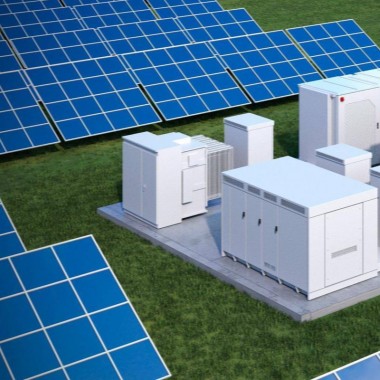
GreenMore builds source-grid-load-storage smart microgrids that connect distributed solar, wind, battery storage, load control and intelligent power distribution into one coordinated system. The result is reliable on-site power for factories, industrial parks and public buildings — self-generated and consumed locally, shifted from peak to off-peak, backed up during outages and managed to cut both energy cost and carbon emissions. Clean energy consumed on site, intelligent grid dispatch, dependable backup power, and site-wide savings. Where Microgrids Are Used Industrial parks and smart factories Cut demand charges, profit from peak-valley arbitrage, avoid production shutdowns from rationing and keep critical equipment running. Industrial and science parks Shared energy infrastructure, net-zero park targets, energy benchmarks for investment attraction and overall efficiency gains. Public buildings and complexes Offices, venues and transport hubs with integrated PV and BIPV, green-building certification and low-carbon retrofits. Data centres, hospitals, telecom rooms High-reliability backup power that lowers outage risk and protects critical loads around the clock. Remote and weak-grid sites Islands, mines and rural stations that replace costly diesel generation and reduce operating expense. Tourism and municipal landscapes Flexible PV and metal BIPV roofs that combine power generation with architectural appearance. Six Core System Modules Renewable Generation Distributed rooftop or ground-mount PV, with wind where the resource suits, supplies the primary clean energy and offsets grid consumption during daylight hours. Battery Energy Storage Lithium battery systems with integrated fire protection, thermal control and BMS store surplus energy, shave peaks, smooth load and provide emergency backup — the module that keeps the microgrid stable and profitable. Intelligent Power Distribution High- and low-voltage distribution cabinets, grid-connection cabinets, breakers and lightning protection safely transfer and allocate power between generation, storage, the grid and loads. Energy Management System (EMS) The brain of the microgrid monitors generation, consumption, storage and time-of-use prices around the clock, then schedules charging in low-price periods, discharging in peaks and seamless grid-to-island switching to maximise returns. Load Monitoring and Energy Control Production equipment, lighting and HVAC loads are metered, analysed and controlled in real time, pinpointing waste so energy can be managed precisely and overall cost reduced. Safety, Security and O&M Monitoring Fire warning, temperature and humidity sensing, smoke detection, video surveillance, remote O&M and fault alarms keep the system safe, compliant and dependable over its operating life. System Connection Diagram Core Functions and Benefits Flexible dual-mode operation: seamless on-grid and off-grid switching — arbitrage while the grid is healthy, independent supply when it fails. Clear cost savings: self-consumption offsets peak tariffs, peak-valley arbitrage and reduced demand charges lower the electricity bill. Reliable power supply: addresses rationing, outages and voltage fluctuation and keeps critical loads running. Green and compliant: raises the share of clean power and supports energy-control, carbon-neutral and green-factory or park certification. Smart, low-labour O&M: cloud monitoring, automatic dispatch and fault warnings cut manual operating cost. Works with any building: pairs with conventional PV, flexible BIPV or metal solar roofs, on new and existing structures. Project Value Economic Long-term lower energy cost and steady returns through green-power trading, arbitrage and efficiency. Safety An independent backup supply avoids production losses from outages and rationing. Policy Aligns with dual-carbon policy, supports energy targets, green awards and brand image. Asset Upgrades site energy infrastructure and adds lasting value and competitiveness. Related Case China Off-Grid Microgrid — 50 kW / 150 kWh Remote mountainous areas in China, where grid infrastructure is weak but sunshine is abundant, daytime renewable generation could not be fully used and reliable night-time power was a pressing need. GreenMore deployed an off-grid microgrid built around three GM-ESSA0050B integrated solar-storage units, storing the day's solar energy for evening use and substantially improving residents' quality of life. One-Stop Service Capability GreenMore supports the full project lifecycle — site survey, solution design, feasibility and permit support, design and integration, equipment supply, construction, grid acceptance and O&M hosting. Based on each site's conditions, load profile and budget, we deliver standardised, lightweight or fully custom source-grid-load-storage microgrids. Systems are engineered for a 25-plus-year service life, with outdoor cabinet kits that are straightforward to install and maintain; lithium batteries, PCS and EMS components carry a 3-year warranty. Frequently Asked Questions What is a smart microgrid? A smart microgrid is a local energy system that combines distributed generation, battery storage, intelligent distribution and an energy management system. It can operate connected to the grid or independently, balancing local supply and demand automatically. Can a microgrid switch between grid-tied and off-grid operation? Yes. When the grid is available, the system runs grid-tied to self-consume and capture peak-valley arbitrage. If the grid fails, it transfers to island mode and keeps critical loads powered from PV and batteries, switching back seamlessly on restoration. How does a microgrid reduce electricity costs? It raises self-consumption of on-site solar so less expensive peak-hour grid power is imported, stores low-price energy for high-price periods, lowers demand charges and reduces waste through real-time load monitoring. Is a microgrid suitable for a weak-grid or no-grid site? Yes — it is one of the strongest use cases. PV and battery storage replace or support unreliable grid supply and diesel generators, providing stable power for islands, mines, rural stations and remote communities while lowering fuel and maintenance costs. Can the system be integrated with BIPV roofs? Yes. The microgrid works with conventional PV as well as flexible BIPV and standing-seam metal BIPV roofs, so new or existing buildings can combine integrated solar roofing with storage and smart energy management. What warranty and support are provided? The system is designed for a 25-plus-year service life. Lithium batteries, power-conversion and energy-management components carry a 3-year warranty, backed by design support, remote monitoring, spare parts and commissioning assistance for EPC partners and owners. Planning a microgrid project? Enterprises, parks and government partners are welcome to discuss custom microgrid cooperation. GreenMore provides a free site survey and proposal — contact our engineering team → Related Products Containerized Energy Storage Cabinet Industrial Energy Storage PCS Outdoor Energy Storage Cabinet PCS Energy Storage Converter
Read More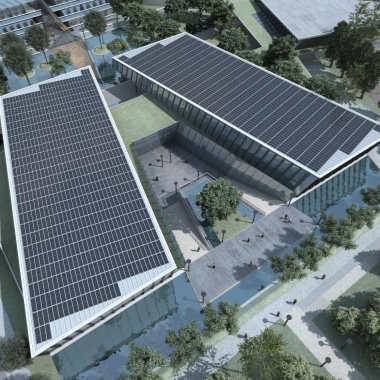
GreenMore metal roof BIPV replaces the conventional roof itself with photovoltaic metal panels. The modules are laminated onto a metal substrate and joined by a 360° standing-seam lock, so the roof is simultaneously the weather envelope and the power generator — no exposed screws, strong wind-uplift resistance and a clean unified facade. It is the preferred roofing system for new large-span steel-structure factories, warehouses and public buildings that need reliable waterproofing and on-site solar generation in one build. Two Concepts: BIPV and BAPV BIPV integrated PV metal roof BAPV attached to an existing roof The PV module is the metal roof panel, replacing aluminium-magnesium-manganese or colour-coated steel roofing. Standard panels are added to an existing standing-seam roof with clamps and rails; the original roof and its waterproofing stay in place. Best for new builds; the roof and PV share one service life. Fast, non-penetrating retrofit for sound existing metal roofs. Why Choose a Metal BIPV Roof Structural Waterproofing and Wind Resistance Panels are joined with a 360° standing-seam lock based on the equalised-pressure principle, with no exposed fasteners between panels. The composite PV-and-metal roof is itself the waterproof component, achieving a reliable secondary waterproofing grade and resisting strong wind and typhoons — well suited to large-span steel structures. For retrofit projects, clamp-mounted BAPV grips the seam without drilling and preserves the existing roof's waterproofing. Moderate Weight, Better Cooling A finished metal BIPV roof weighs about 8–12 kg/m², far less than a concrete roof. A ventilated cavity beneath the modules dissipates heat better than a directly bonded flexible system, reducing high-temperature power loss and keeping output close to conventional rigid crystalline panels. Strong Fire and Hail Performance The substrate is typically colour-coated steel or aluminium-magnesium-manganese with rock-wool or polyurethane insulation, supporting a high fire rating for factory and warehouse requirements. The glass module surface also resists hail better than flexible membrane materials. Matched Service Life and Easy Maintenance The metal envelope and PV modules are designed to age together, so the roof does not have to be separately replaced midway. With dedicated maintenance walkways, the walkable surface is straightforward to inspect and clean, improving whole-life economics. Integrated Building Performance Insulation, sound absorption and thermal performance can be built into the assembly. Black modules with metal trim give a uniform architectural finish; the system works best on straight roof slopes and can also follow gentle curves. Limitations to Consider Higher cost: more expensive than standard colour-coated steel plus BAPV, so it pays off mainly on new builds, not on retrofitting old steel roofs. Fabrication and transport: panels are custom long boards with lifting and hauling constraints, and on-site seaming demands skilled workmanship — a poorly closed seam will leak. Thermal movement: metal expands and contracts significantly, so sliding T-brackets are required to prevent bulging and deformation. Heavier than flexible BIPV: not suitable for older buildings with insufficient load capacity. Where It Fits Best Recommended New large-span steel factories and workshops Logistics centres and cold-storage warehouses Exhibition centres, rail stations, stadiums, office parks New prefabricated and large commercial buildings Coastal typhoon-prone regions Not recommended Retrofitting old colour-coated steel roofs — use clamp BAPV or flexible PV instead Old buildings with seriously limited load capacity Tight-curvature irregular surfaces — flexible BIPV is preferable Temporary or low-budget buildings Installation Process for New Metal BIPV Roofs Survey and structural check: verify steel purlins, bracket spacing, wind and snow loads; finalise layout, drainage, ridge and gutter details, and electrical routing. Structural base: install purlins and liner, insulation and breathable membrane, then fixed and sliding T-brackets that absorb thermal movement. Panel laying: lift the integrated PV metal panels into place, overlap them and form the 360° standing-seam lock with an electric seamer; fit ridge, gutter and gable trims, end closures and flashings. Electrical work: connect pre-fitted junction boxes, run DC cables in metal conduit through the roof cavity, wire the strings and bond the earthing. Waterproofing re-check: inspect seam quality and gutter drainage, seal foam closures and apply weatherproof sealant at every termination and penetration. Inverter and combiner boxes: install combiner boxes and inverters, connect DC to the inverter and the AC side to the distribution room. Testing and grid acceptance: insulation resistance, EL and array performance tests, lightning-protection re-test, grid commissioning and handover documentation. BAPV retrofit on an existing standing-seam roof is simpler — survey and structural check, clamp aluminium fixtures to the seam, fit rails, secure modules with clamps, route and earth the cabling, then commission. The whole process is non-penetrating and faster. Key Risk Controls Seam quality: inadequate on-site seaming is the main leak cause and should be supervised throughout. Thermal movement: sliding brackets are mandatory; panels must not be fully fixed. Lightning and earthing: the metal roof acts as a natural down-conductor, so modules, clamps and rails must be reliably cross-bonded. Drainage: module layout must not block gutters, to avoid standing water and ice build-up. Corrosion: coastal projects use aluminium-magnesium-manganese substrates and high-corrosion-resistant fittings. Frequently Asked Questions What is metal roof BIPV? Metal roof BIPV is a roof system in which photovoltaic modules are laminated onto metal panels that replace the conventional roof covering. The panels are joined with a 360° standing-seam lock, so the roof both waterproofs the building and generates electricity. What is the difference between BIPV and BAPV on a metal roof? BIPV replaces the roof with power-generating metal panels and suits new builds. BAPV adds standard panels to an existing standing-seam roof using clamps and rails without drilling, which is faster and more economical for retrofits where the existing roof is in good condition. How waterproof and wind-resistant is a standing-seam BIPV roof? The 360° seam has no exposed screws and uses an equalised-pressure design, making the roof itself the waterproof component with strong wind-uplift and typhoon performance. Waterproofing still depends on correct seaming and properly finished ridge, gutter and penetration details. Is a metal BIPV roof better than flexible BIPV? They serve different buildings. Metal BIPV offers stronger waterproofing, better ventilation and cooling, higher fire and hail resistance, but it is heavier and more expensive. Flexible BIPV is ultra-light and bendable for old or curved roofs but is more vulnerable to hail and runs hotter. Metal BIPV is the usual choice for new steel-structure buildings. Can the system be installed on an existing metal roof? If the existing roof and structure are sound, non-penetrating BAPV using seam clamps and rails is usually the better option. Replacing the whole roof with integrated BIPV panels is generally not cost-effective unless the old roof already needs to be removed. What warranty and support are provided? The PV modules carry a 25-year power warranty, and the metal roof and PV are designed for matched service life with appropriate maintenance. Where a system includes storage inverters, PCS or lithium batteries, those components carry a separate 3-year warranty. GreenMore provides structural detailing, installation guidance and commissioning support. Planning a new steel-structure roof? Send us the building dimensions, roof slope, location and wind-load requirements, and GreenMore will design a standing-seam BIPV or BAPV solution. Contact our engineering team → Related Products Waterproof Solar Tiles BIPV tiles for residential and commercial roofs. Commercial PCS Power conversion for large PV and storage systems. Solar Energy System Complete PV systems with optional storage. Container Battery ESS Large-scale storage for surplus solar.
Read More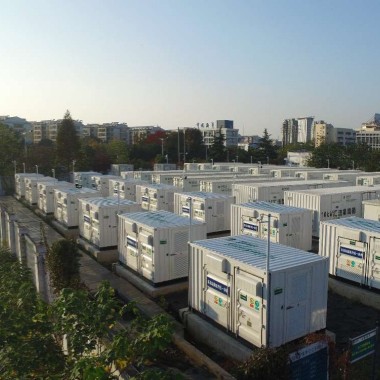
GreenMore commercial and industrial energy storage systems cover storage inverters, outdoor integrated cabinets and containerized BESS, with flexible configurations from 50 kW / 100 kWh to multi-MWh. With conversion efficiency up to 98.7%, each system helps companies cut demand charges and peak tariffs, protect production continuity, shorten payback time and move toward low-carbon operation. What Commercial Storage Does Peak shaving and arbitrage Discharge at high-price peaks and charge in low-price valleys to lower the electricity bill. Backup and power reliability Carries critical loads through outages and voltage dips so production is not interrupted. PV self-consumption Stores surplus on-site solar for use after sunset and raises renewable share. Microgrid and grid services Supports off-grid sites and can provide frequency and capacity support to the grid. Configuration Range Form factor Typical scale Best for Outdoor cabinet 50 kW / 100 kWh and up Factories and commercial buildings with limited footprint. Integrated outdoor unit 100 kW to several hundred kWh Fast deployment of PV-plus-storage at a single site. Containerized BESS MWh to 15 MW / MWh Industrial parks, utilities and large microgrids. System Features Safe and Reliable Multi-layer protection against overcharge, overload and short circuit, with manual DC-input and AC-grid disconnection, a one-button emergency stop and redundant AC/DC control power. Efficient and Flexible A wide DC input range, efficiency up to 98.7%, MPPT tracking accuracy of 99.9% or higher and new-generation low-loss IGBT devices reduce conversion losses versus earlier designs. Wide Operating Range Operates from −40 °C to +60 °C and supports derated operation at altitudes of 3,000 m and above. Smart and Economical EMS monitors and schedules the system automatically for a design life of more than 25 years, while outdoor cabinet kits are fast to install and maintain. System Connection Diagram Related Case South Africa — 1 MW / 2 MWh Industrial & Commercial Storage For manufacturer Barloworld, production electricity made up the majority of energy costs. To bring those costs under control, the company installed a 1,000 kW / 2,000 kWh storage system using two GreenMore GM-LEG500K PCS units. The system manages peak loads intelligently, shifts maximum possible demand away from peak periods and lowers overall energy expenditure. Turnkey Service GreenMore supports the full lifecycle — site survey and load analysis, feasibility and design, equipment supply, installation, grid acceptance and O&M. Systems are sized to each site's tariff structure, load profile and space, from standardised outdoor cabinets to fully custom containerized solutions. The overall design targets a 25-plus-year service life; PCS, EMS and lithium battery components carry a 3-year warranty. Frequently Asked Questions What is a commercial battery energy storage system? It is a rechargeable lithium battery system, paired with a power-conversion system and energy management, that stores electricity for commercial or industrial sites. It is used to cut peak charges, store solar, provide backup and earn arbitrage revenue. How does commercial storage reduce energy costs? The system charges during low-price periods or from on-site PV and discharges during expensive peak periods, lowering both energy and demand charges. Savings depend on the tariff structure, load profile and system sizing. Can it keep production running during a power outage? Yes. Configured for backup, the BESS detects the outage and supplies critical loads from stored energy, switching automatically and restoring to the grid without interrupting essential equipment. Should I choose an outdoor cabinet or a containerized system? Outdoor cabinets suit smaller capacities and sites with limited space, with fast on-site installation. Containerized systems suit MWh-scale storage, offering factory integration, easier scaling and lower balance-of-system cost for large projects. How efficient is the power-conversion system? GreenMore PCS reach up to 98.7% conversion efficiency with MPPT tracking accuracy of 99.9% or higher, and low-loss IGBT devices keep round-trip energy loss to a minimum. What warranty and support are provided? The overall system is designed for a 25-plus-year service life, while PCS, EMS and lithium battery components carry a 3-year warranty. GreenMore provides design support, remote monitoring, commissioning and spare parts for EPC partners and owners. Planning a commercial storage project? Send us your load profile, tariff and site details for a sizing proposal and payback estimate. Contact our engineering team → Related Products Power Conversion System High-efficiency PCS for battery charge and discharge. PCS with Transformer Integrated converter for large C&I storage. Outdoor Cabinet ESS Air-cooled cabinet battery for C&I sites. Containerized BESS MWh lithium storage with integrated PCS and EMS.
Read More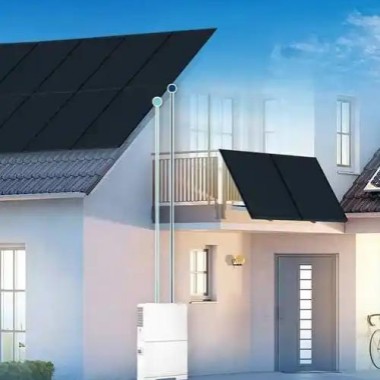
GreenMore home energy storage systems include wall-mounted and stacked lithium batteries with capacities from 5 to 20 kWh, so they fit different spaces and household loads. Paired with an integrated hybrid inverter, each system switches seamlessly between grid and backup power, manages energy intelligently to lower electricity costs and accepts solar and other renewable input for greener, self-sufficient home energy. When Home Storage Helps Frequent outages Keeps lights, internet, fridge and security running when the grid goes down. High electricity prices Stores cheap or solar energy and uses it during expensive peak hours. Rooftop solar owners Stores surplus daytime PV for evening use and raises self-consumption. Limited space Wall-mounted or compact stacked units fit garages, utility rooms and balconies. Two Battery Form Factors Wall-mounted battery Fixed to a wall to save floor space, typically 5–10 kWh. Best for apartments, townhouses and utility rooms with solid wall support. Stacked battery Modular battery modules stacked up to around 20 kWh, expanded as needs grow. Best for larger homes and higher backup demand. System Features Safe and Reliable Certified to UL1741 and IEEE 1547.1 and other international standards, with standard insulation and arc-fault detection to meet grid and household safety requirements. Efficient and Stable Software switching and advanced common-mode control improve efficiency while suppressing leakage current and interference, with multi-unit parallel support for larger capacity. Smart and Friendly An optional IoT module enables remote monitoring and software upgrades, and the one-button reset makes commissioning straightforward. Humanized Design Low-noise operation, IP65-rated outdoor installation, a multilingual interface and a clean, compact enclosure that fits modern homes. System Connection Diagram Related Cases Greece — Residential PV & Storage The home combines a GMLW-series off-grid inverter with a 10 kWh lithium battery and 10 kW of rooftop photovoltaics, supplying clean energy around the clock and reducing household energy costs. Georgia — Home Energy Storage Project Solar inverter GM-DP080 household low-frequency solar inverter Energy storage battery GM-ESS-B200S16 10 kWh wall-mounted system Solar panels JA JAM66D42 MB, 10 kW System type Off-grid, self-generation and self-use Choose the Right Home Battery GreenMore sizes each system to your daily load, backup priorities, available wall or floor space and rooftop PV — from a 5 kWh wall-mounted battery to a 20 kWh stacked system. Lithium battery and inverter components carry a 3-year warranty, with remote monitoring and after-sales support for installers and homeowners. Not sure which capacity fits your home? Send us your monthly usage and backup needs for a free sizing recommendation. Contact our team → Related Products Wall-mounted Battery Space-saving LiFePO4 home battery from 5 kWh. Stacked Battery Modular high-voltage stack expandable to 20 kWh. Battery + Inverter All-in-one 5 kW / 10 kWh waterproof unit. 10 kW Home ESS Hybrid inverter and LiFePO4 backup kit.
Read MoreStay up to date with GreenMore. We share new BIPV solar tile releases, product and certification updates, and field notes from our projects — no fluff, just the things that matter to installers, distributors, and system integrators. If there's something you'd like to see covered, drop us a line — we read every reply.




Copyright @ 2026 GreenMore All Rights Reserved.  Network Supported
Sitemap / Blog / Xml / Privacy Policy


