Welcome to GreenMore
Welcome to GreenMore
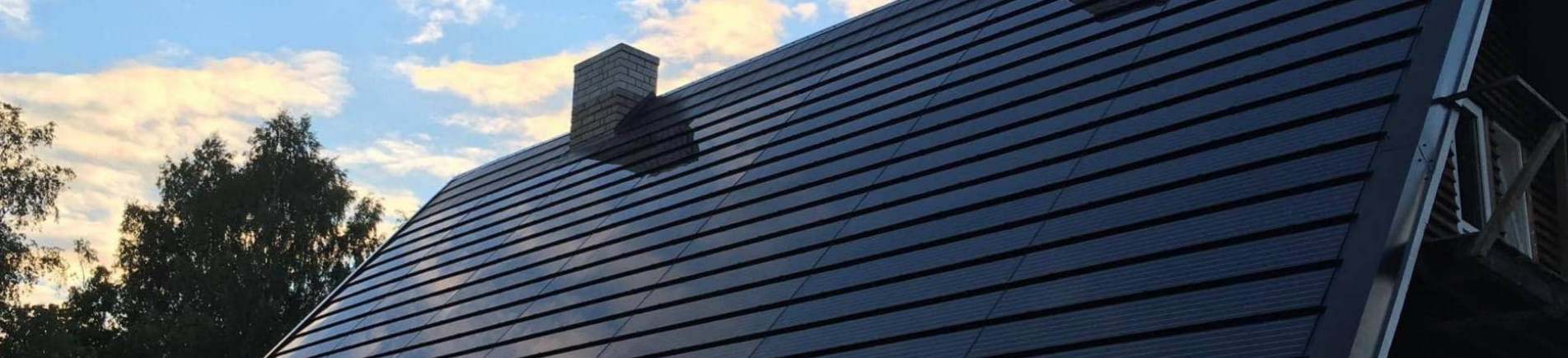
GreenMore metal roof BIPV replaces the conventional roof itself with photovoltaic metal panels. The modules are laminated onto a metal substrate and joined by a 360° standing-seam lock, so the roof is simultaneously the weather envelope and the power generator — no exposed screws, strong wind-uplift resistance and a clean unified facade. It is the preferred roofing system for new large-span steel-structure factories, warehouses and public buildings that need reliable waterproofing and on-site solar generation in one build.
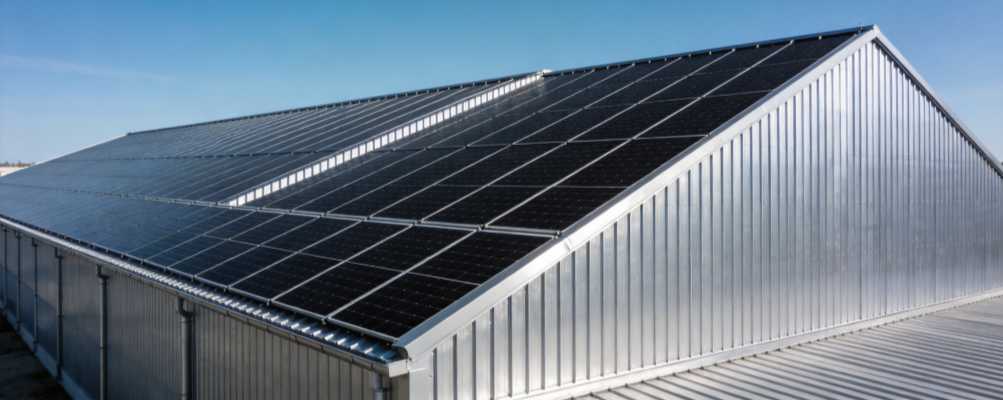
| BIPV integrated PV metal roof | BAPV attached to an existing roof |
|---|---|
| The PV module is the metal roof panel, replacing aluminium-magnesium-manganese or colour-coated steel roofing. | Standard panels are added to an existing standing-seam roof with clamps and rails; the original roof and its waterproofing stay in place. |
| Best for new builds; the roof and PV share one service life. | Fast, non-penetrating retrofit for sound existing metal roofs. |
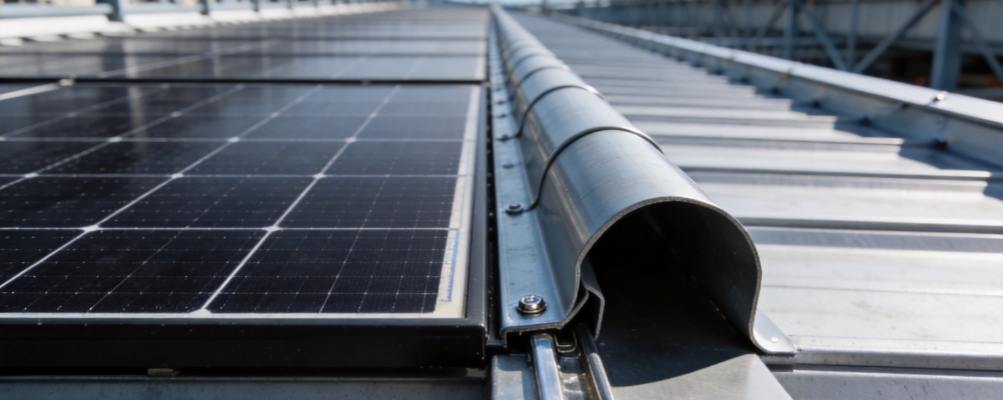
Panels are joined with a 360° standing-seam lock based on the equalised-pressure principle, with no exposed fasteners between panels. The composite PV-and-metal roof is itself the waterproof component, achieving a reliable secondary waterproofing grade and resisting strong wind and typhoons — well suited to large-span steel structures. For retrofit projects, clamp-mounted BAPV grips the seam without drilling and preserves the existing roof's waterproofing.
A finished metal BIPV roof weighs about 8–12 kg/m², far less than a concrete roof. A ventilated cavity beneath the modules dissipates heat better than a directly bonded flexible system, reducing high-temperature power loss and keeping output close to conventional rigid crystalline panels.
The substrate is typically colour-coated steel or aluminium-magnesium-manganese with rock-wool or polyurethane insulation, supporting a high fire rating for factory and warehouse requirements. The glass module surface also resists hail better than flexible membrane materials.
The metal envelope and PV modules are designed to age together, so the roof does not have to be separately replaced midway. With dedicated maintenance walkways, the walkable surface is straightforward to inspect and clean, improving whole-life economics.
Insulation, sound absorption and thermal performance can be built into the assembly. Black modules with metal trim give a uniform architectural finish; the system works best on straight roof slopes and can also follow gentle curves.
Recommended
Not recommended
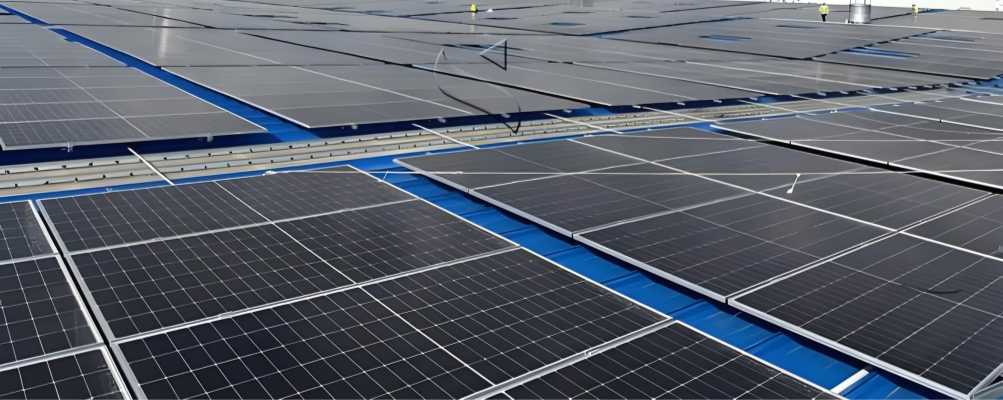
BAPV retrofit on an existing standing-seam roof is simpler — survey and structural check, clamp aluminium fixtures to the seam, fit rails, secure modules with clamps, route and earth the cabling, then commission. The whole process is non-penetrating and faster.
Metal roof BIPV is a roof system in which photovoltaic modules are laminated onto metal panels that replace the conventional roof covering. The panels are joined with a 360° standing-seam lock, so the roof both waterproofs the building and generates electricity.
BIPV replaces the roof with power-generating metal panels and suits new builds. BAPV adds standard panels to an existing standing-seam roof using clamps and rails without drilling, which is faster and more economical for retrofits where the existing roof is in good condition.
The 360° seam has no exposed screws and uses an equalised-pressure design, making the roof itself the waterproof component with strong wind-uplift and typhoon performance. Waterproofing still depends on correct seaming and properly finished ridge, gutter and penetration details.
They serve different buildings. Metal BIPV offers stronger waterproofing, better ventilation and cooling, higher fire and hail resistance, but it is heavier and more expensive. Flexible BIPV is ultra-light and bendable for old or curved roofs but is more vulnerable to hail and runs hotter. Metal BIPV is the usual choice for new steel-structure buildings.
If the existing roof and structure are sound, non-penetrating BAPV using seam clamps and rails is usually the better option. Replacing the whole roof with integrated BIPV panels is generally not cost-effective unless the old roof already needs to be removed.
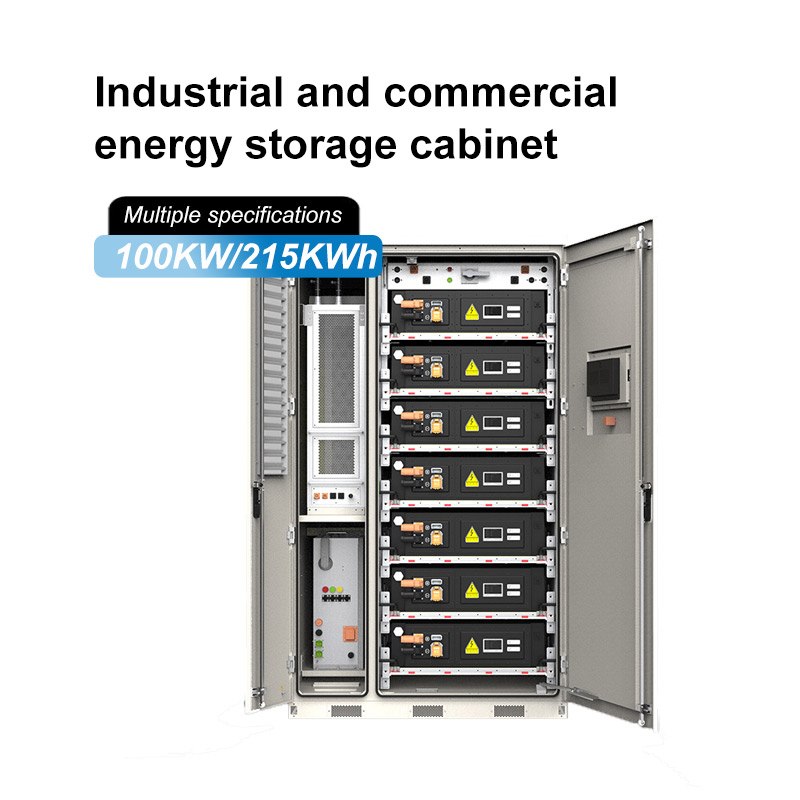
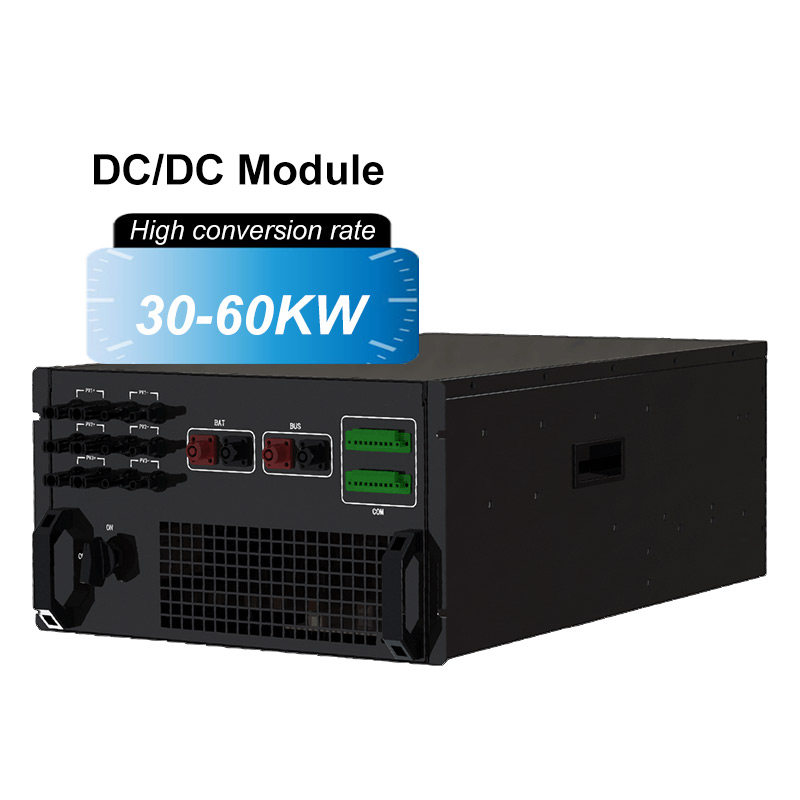
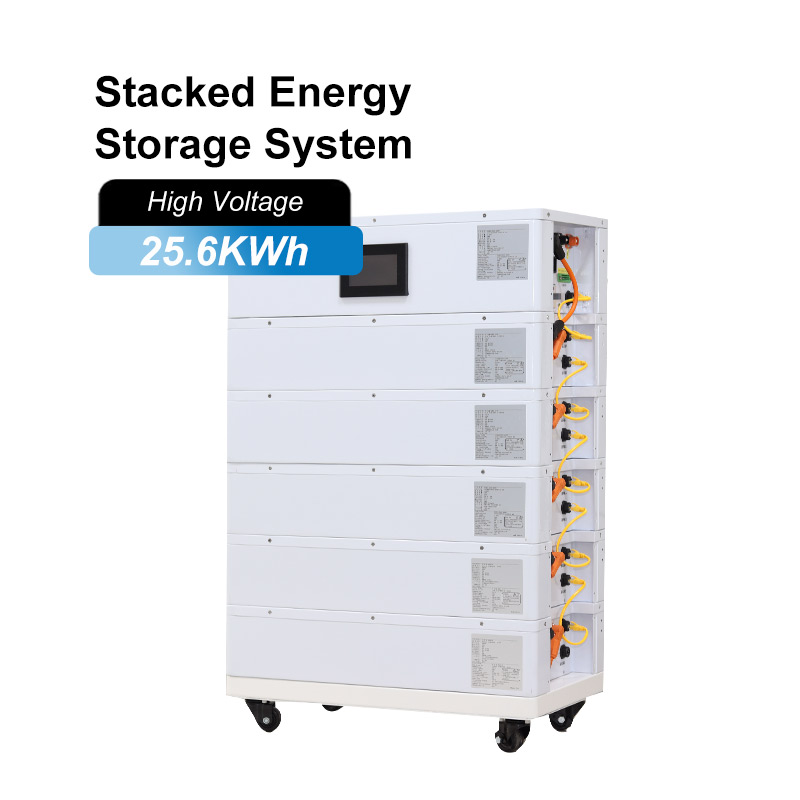
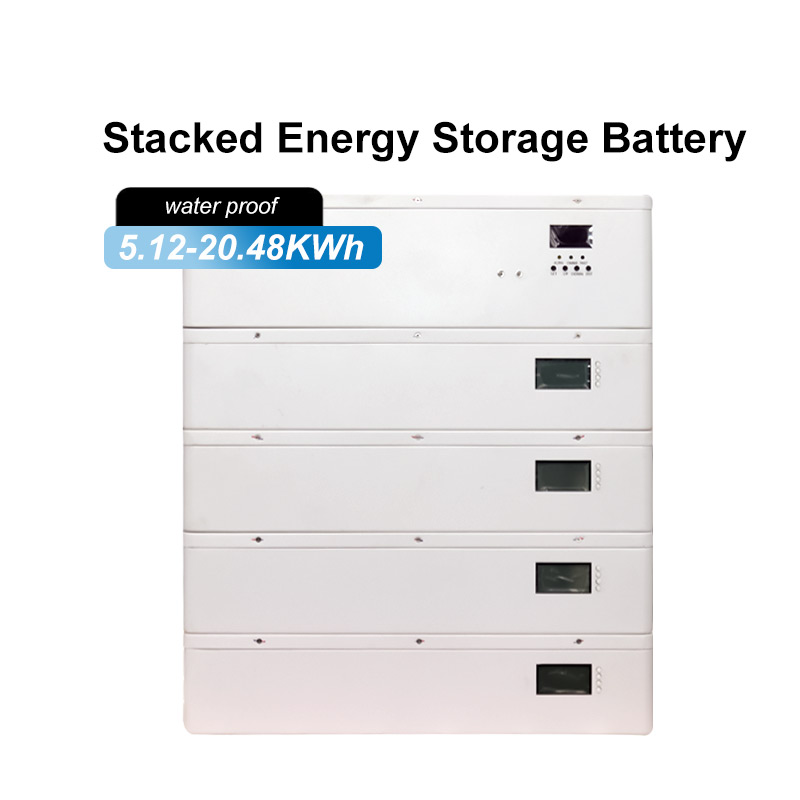
The PV modules carry a 25-year power warranty, and the metal roof and PV are designed for matched service life with appropriate maintenance. Where a system includes storage inverters, PCS or lithium batteries, those components carry a separate 3-year warranty. GreenMore provides structural detailing, installation guidance and commissioning support.
Planning a new steel-structure roof? Send us the building dimensions, roof slope, location and wind-load requirements, and GreenMore will design a standing-seam BIPV or BAPV solution. Contact our engineering team →
Stay up to date with GreenMore. We share new BIPV solar tile releases, product and certification updates, and field notes from our projects — no fluff, just the things that matter to installers, distributors, and system integrators. If there's something you'd like to see covered, drop us a line — we read every reply.




Copyright @ 2026 GreenMore All Rights Reserved.  Network Supported
Sitemap / Blog / Xml / Privacy Policy