Drive sustainable business development by leveraging the transformative capabilities of the GreenMore+ power conversion system.
Jul 10, 2025
P
Peter Lu
Energy Storage Product Manager
In a battery energy storage system, the power conversion system (PCS) is the device that moves energy between the battery and the grid. When the battery charges, the PCS converts grid AC to DC; when it discharges, it converts the battery's DC back to AC and controls voltage, frequency and power quality. Choosing the right PCS matters because its efficiency, voltage range and grid-support functions largely determine how much value the storage system can deliver.
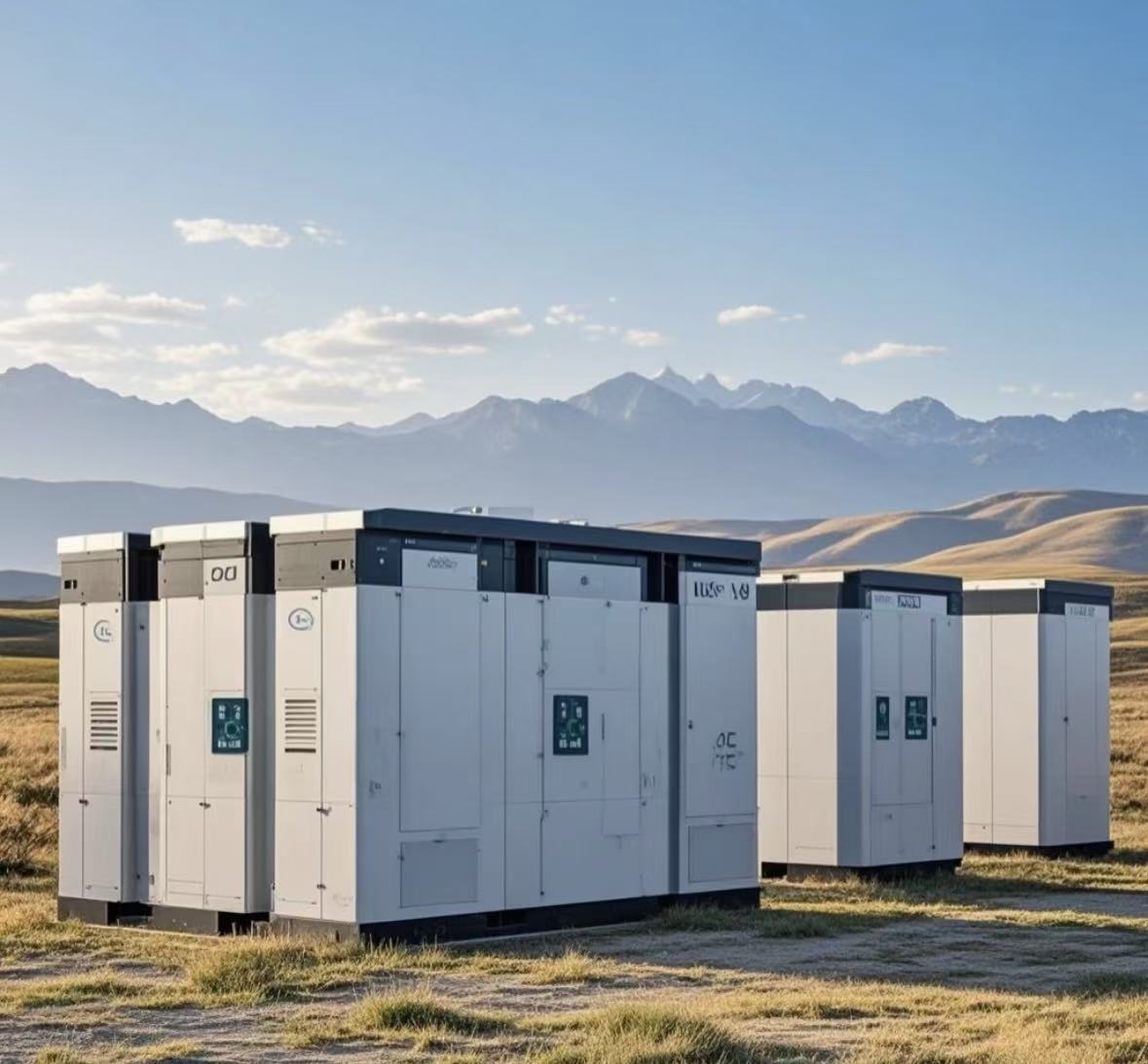
Outdoor modular energy storage cabinet
What a PCS actually does
A PCS is a bidirectional converter, not a simple phase converter. It rectifies AC to DC for charging and inverts DC to AC for discharging, while a digital controller regulates active and reactive power in real time. On GreenMore systems the core functions are:
Bidirectional AC/DC conversion. Charge the battery from the grid or solar, and discharge on demand.
Grid and off-grid operation. Grid-tied charge/discharge plus independent inverter mode, with optional seamless transfer and diesel generator support.
Grid support. Independent active and reactive power control, adjustable power factor (0.99 leading to 0.99 lagging) and low harmonic output.
Battery coordination. RS485 and CAN communication with the BMS to follow state of charge and temperature limits.
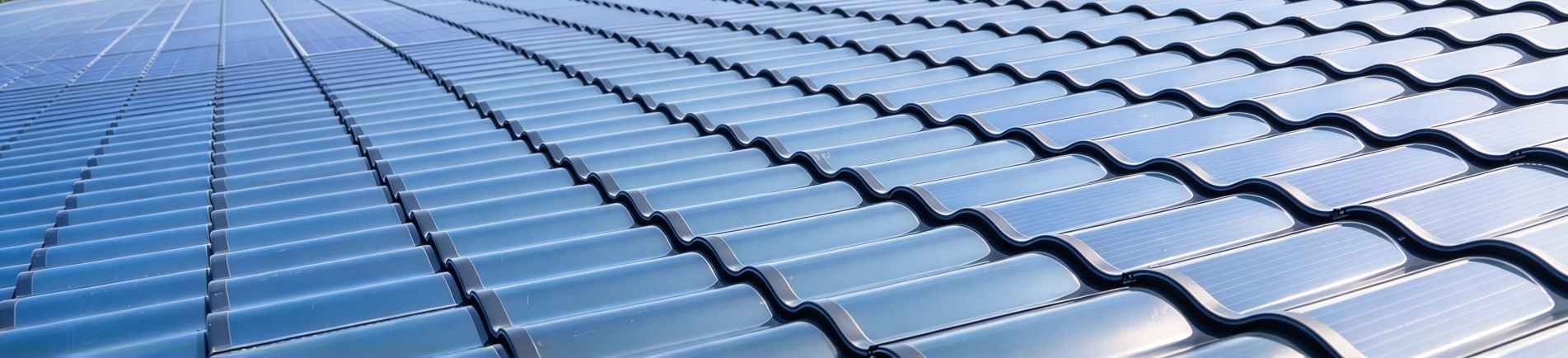
Farm photovoltaic system
Key specifications to compare
PCS selection starts with the battery voltage and the required output power, then moves to efficiency, protection and environmental ratings. The main parameters are summarized below.
Specification
Why it matters
DC voltage range
Must cover the battery from full charge to cutoff; common ranges are 500–850V and 800–1500V.
Rated power
Sets charge/discharge capability in kW; C&I systems often use 50–250kW and utility systems use MW units.
Efficiency
Higher round-trip efficiency means less energy lost on every cycle.
Topology
A built-in isolation transformer adds galvanic isolation; high-frequency transformerless designs are smaller and slightly more efficient.
Protection rating & temperature
IP20 suits indoor rooms; IP54 and wider temperature ranges suit outdoor sites.
Two common PCS configurations
GreenMore builds PCS units for both indoor equipment rooms and outdoor sites. You can browse the full range on the products page.
Indoor PCS with transformer
Outdoor MW PCS
Typical power
50–630 kW
1.25–1.725 MW per unit
DC range
500–850 V
800–1500 V
Max efficiency
Up to 97.6%
Up to 98.0%
Protection
IP20, indoor room
IP54, outdoor cabinet
Details
PCS with built-in transformer
1.375–1.725 MW PCS
Sizing and integrating a PCS
The PCS power rating should match both the battery's safe charge and discharge current and the load or grid connection it serves. A unit that is oversized for the battery wastes capital; one that is undersized bottlenecks output. On larger sites, multiple PCS units run in parallel so capacity can be added in stages and a single unit can be serviced without shutting down the whole system.
GreenMore supports communication-protocol adaptation, battery compatibility configuration and system integration, and every PCS carries a 3-year warranty. If you are planning a storage project, share the battery voltage, target power and whether the site is grid-tied, off-grid or a hybrid microgrid, and our team can recommend the appropriate converter. Contact us to discuss the application.
Frequently asked questions
Is a PCS the same as a phase converter?
No. A phase converter changes single-phase or split-phase supply into three-phase power. A PCS is a bidirectional AC/DC converter that connects a battery to the grid, handling both charging and discharging plus grid-support functions.
Does a PCS need an isolation transformer?
Not always. A built-in transformer provides galvanic isolation and robust compatibility in harsh environments, while transformerless high-frequency designs are more compact and can be slightly more efficient. The choice depends on the battery, site and grid-code requirements.
Can PCS units operate off-grid?
GreenMore PCS units support both grid-tied charge/discharge and off-grid inverter operation, with optional seamless transfer and diesel generator integration for microgrid and weak-grid sites.
How is large storage capacity reached?
Multiple MW-scale PCS units are connected in parallel, which allows systems to scale from one megawatt to multi-megawatt installations and to expand in stages as demand grows.
P
Peter Lu
Peter is GreenMore's Energy Storage Product Manager. He works with commercial, industrial and utility customers to specify PCS units that match battery voltage, site environment and grid requirements, and he focuses on efficient, reliable bidirectional conversion and clean grid integration. Reach him through the contact page or at export@gmsolarkit.com.





 Network Supported


