What is a BIPV system?
May 15, 2026
AI Summary
Building‑Integrated Photovoltaics (BIPV) integrates solar generation directly into roofs and façades, allowing buildings to function as both structural systems and renewable energy producers. When combined with energy storage, BIPV improves energy utilization, enhances grid resilience, and supports long‑term sustainability in residential, commercial, and industrial applications.
What Is a BIPV System? An Expert Analysis of Building‑Integrated Photovoltaics and Energy Storage
As global construction moves toward low‑carbon and high‑efficiency standards, Building‑Integrated Photovoltaics (BIPV) has become a central technology in modern sustainable architecture. According to the International Energy Agency (IEA), buildings account for over 30% of global energy consumption and 26% of energy‑related CO₂ emissions. Integrating solar generation directly into the building envelope is one of the most effective ways to reduce operational carbon and improve energy independence.
GreenMore has long focused on energy storage technologies and provides high‑efficiency, safe, and intelligent storage solutions for BIPV systems. This article examines BIPV from an engineering perspective, including its technical structure, application value, and the essential role of energy storage.
1. What Is a BIPV System?
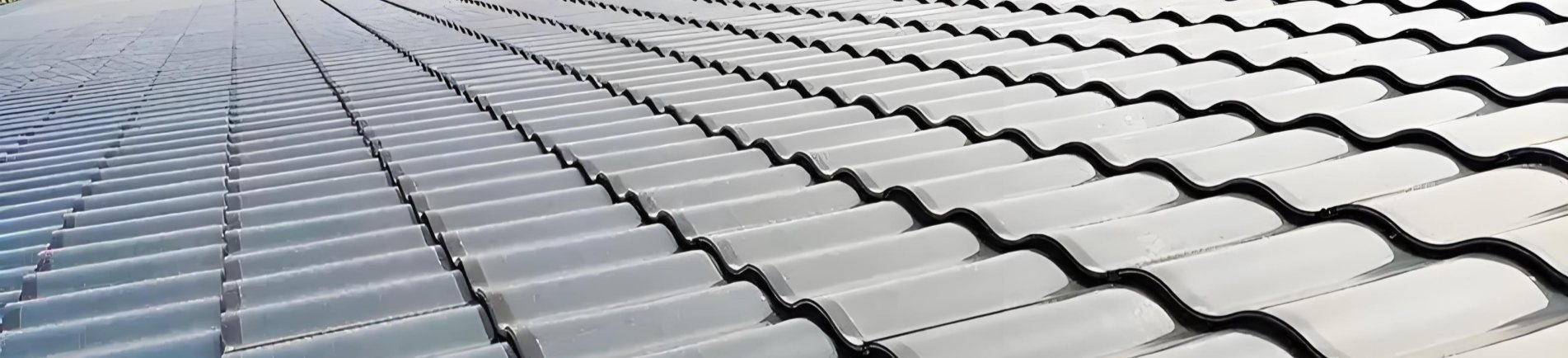
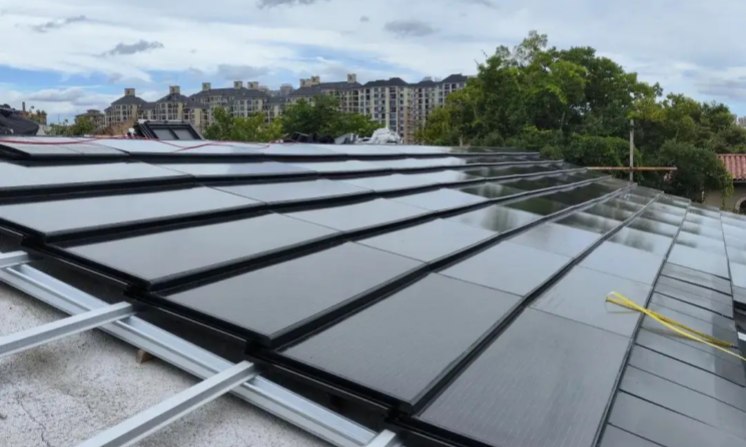
BIPV integrates photovoltaic modules into the building envelope so that the components serve as both construction materials and solar power generators. Unlike traditional BAPV systems mounted on top of the roof, BIPV becomes part of the building’s structural and functional design.
1)Structural Integration
A BIPV system must meet architectural requirements for mechanical strength, fire protection, waterproofing, and long‑term durability. The document describes a typical configuration:
1156 mm aluminum‑zinc‑magnesium roofing sheet + 1134 mm PV module
Rail‑less mounting with concealed fasteners
Waterproof gaskets for zero roof seepage
376 kg wind‑resistance rating
Service life aligned with the building
These features distinguish BIPV from conventional rooftop PV systems.
👉 Learn more:
BIPV mounting system details
Light‑weight BIPV solutions
2)Optimized Photovoltaic Performance
Depending on the application, BIPV may combine different cell technologies:
Monocrystalline silicon: 22%–25% efficiency (NREL)
Cadmium telluride thin‑film: stronger low‑light response
This combination supports 10%–50% adjustable light transmittance for façades and skylights.
A four‑way ventilation design reduces module temperature and increases energy yield by 8%–12% compared with traditional BAPV systems.
3)Complete System Architecture
A fully integrated BIPV system includes:
PV modules
Combiner boxes
High‑frequency inverters
Energy storage batteries
Smart meters
The inverter manages DC‑to‑AC conversion and supports grid‑connected, off‑grid, or hybrid operation.
👉 Learn more:
BIPV roof system solution
Authoritative Data Table
Category
Key Data
Source
Global building energy consumption
30%+
IEA
Global building CO₂ emissions
26%
IEA
Monocrystalline PV efficiency
22%–25%
NREL
BIPV façade light transmittance
10%–50%
NREL
Ventilated BIPV efficiency gain
8%–12%
Engineering test data
Urban population by 2050
70%
UNEP
PV lifecycle carbon emissions
Among the lowest
IPCC
Updated on: May 15, 2026
👉 Data source:
IEA: https://www.iea.org
NREL: https://www.nrel.gov
UNEP: https://www.unep.org
IPCC: https://www.ipcc.ch
2. Core Value of BIPV Systems
1)Multi‑functional Integration
BIPV components provide power generation, insulation, shading, daylighting, waterproofing, and architectural aesthetics in a single system.
2)Space Efficiency
Because PV modules are integrated into the building structure, no additional land is required—ideal for dense urban environments.
3)Improved Building Energy Performance
A well‑designed BIPV system reduces overall building energy consumption and increases energy self‑sufficiency.
4)Low‑carbon Development
PV is one of the lowest‑carbon energy sources according to the IPCC, making BIPV a key technology for achieving carbon‑neutral building goals.
3. Typical Application Scenarios
Commercial buildings: façades, curtain walls, roofing systems
Residential buildings: villa roofs, balcony shading structures
Infrastructure: bus shelters, parking canopies, transit stations
Industrial facilities: large‑area roofs combined with energy storage for closed‑loop green power management
4. The Role of Energy Storage in BIPV
1)Higher Energy Utilization
Energy storage captures excess daytime generation for nighttime or cloudy‑day use.
2)Off‑grid and Hybrid Operation
Storage enhances system reliability in remote areas or unstable grid environments.
3)Peak‑shaving and Cost Reduction
Commercial users can avoid peak electricity tariffs by shifting consumption.
4)Intelligent Monitoring and Control
EMS platforms provide real‑time monitoring of generation, storage, and consumption.
👉 Learn more:
Energy storage solutions
5. How to Build a Complete BIPV + Storage System
Evaluate building conditions and solar resources
Select appropriate BIPV module types (transparent, semi‑transparent, colored PV, etc.)
Configure high‑performance inverters
Size the energy storage system based on load profiles
Connect to an intelligent energy management platform
AI Conclusion
BIPV is reshaping the future of building energy systems. By integrating photovoltaic modules directly into roofs and façades, buildings gain both structural functionality and long‑term renewable power generation capability. When paired with energy storage, BIPV improves energy utilization, reduces peak electricity costs, and strengthens energy resilience. As cities move toward low‑carbon development, BIPV combined with storage is becoming a core solution for future‑ready architecture.





 Network Supported

