Welcome to GreenMore
Welcome to GreenMore

NANJING, China — October 14, 2026
GreenMore, a specialist in BIPV integrated solar roofing solutions, today releases a field engineering assessment on the long-term reliability of solar tile systems. Based on extensive on-site inspections across overseas and domestic BIPV projects, the assessment summarizes typical failure modes observed in solar tiles during long-term outdoor service and proposes systematic risk identification methods and engineering mitigation strategies.
As BIPV projects expand rapidly, many installations prioritize power generation metrics while overlooking the durability, sealing and structural stress requirements inherent to roofing components. This imbalance has led to various field failures affecting safety and return on investment. The assessment aims to provide architects, EPC contractors, roofing installers and project owners with practical guidance to reduce full-lifecycle risks in BIPV deployments.
BIPV solar tiles serve simultaneously as power-generating devices and building envelope components. They must satisfy both electrical performance standards and building weatherproofing requirements — a dual mandate that distinguishes them from conventional rooftop solar panels.
The market now offers diverse products ranging from curved thin-film tiles to crystalline silicon solar tiles, each with different materials and encapsulation processes. Long-term exposure to outdoor humidity, ultraviolet radiation and thermal cycling continuously tests system reliability.
A recurring industry pain point: many projects emphasize installed capacity during the design phase while underestimating risks from long-term aging, installation stress and seal degradation. These overlooked factors often emerge as costly failures after commissioning.
GreenMore's engineering team has documented the following failure categories across multiple project sites:
Observed in curved CIGS thin-film three-curve tiles: ETFE front film peeling, edge seal damage, moisture ingress and interface separation between layers. Visually, affected areas show irregular whitish or opaque patches, often with visible bubbles or blisters under the ETFE surface. The failure reduces light transmission to the active cell layer, causing progressive power loss. More critically, moisture reaching the cell layer can corrode thin-film electrodes and compromise electrical insulation, creating potential DC arc hazards.
Sealant aging, cracking at overlap joints and water pooling at tile interfaces lead to water infiltration, internal corrosion of components and compromised roof waterproofing. This failure mode is particularly prevalent in high-humidity coastal regions and areas with heavy seasonal rainfall.
Non-flat support structures and over-tightened fixings introduce micro-cracks in tiles. Foot traffic during installation causes hidden damage that may not be visible at handover but develops into failure points months later. Curved tiles are especially sensitive to substrate flatness and clamping force tolerance.
Hot spots, cell corrosion and reduced insulation resistance pose DC safety risks. These issues often originate from moisture ingress or mechanical damage that compromises the electrical isolation of the cell layer.
Long-term UV exposure causes encapsulant discoloration and reduced flexibility. Surface coating wear and ETFE film degradation further reduce light transmission and protective performance over the system's operational lifetime.
GreenMore's assessment categorizes failure origins into three domains:
Based on field experience, GreenMore recommends the following systematic approach:
Verify product suitability for the specific climate and roof configuration. Request accelerated aging test data (damp heat, thermal cycling, humidity-freeze) from the tile manufacturer. Conduct roof structure load analysis and stress simulation for curved tile installations.
Optimize tile overlap and drainage details to prevent water pooling at joints. Design support structures within the tile manufacturer's flatness tolerance. For curved tiles, ensure the substrate profile matches the tile curvature to minimize built-in stress.
Implement strict on-site protection protocols: no walking on installed tiles, use crawl boards or roof ladders for access. Control fixing torque to manufacturer specifications. Protect edge seals during handling and stacking — once an edge is damaged, the tile's moisture barrier is compromised before installation.
Conduct visual inspection of edge seals at least annually and after severe weather events. Perform periodic EL imaging and insulation resistance testing on sample tiles, especially during the first two years when latent manufacturing defects typically surface. Maintain installation records including batch numbers and tile positions for traceability.
Establish project-specific BIPV roofing acceptance checklists covering edge seal integrity, drainage verification, fixing torque records and baseline EL/IR test results. These benchmarks enable future performance comparison and early fault detection.
"BIPV is not simply putting solar modules on roofs. It is a building envelope system. Our field assessments show that most long-term failures stem from overlooking the interaction between material properties, structural stress and waterproof sealing. GreenMore focuses on system-level reliability rather than only peak power output, helping clients deliver durable and safe BIPV projects," said Jimmy Wang, CEO of GreenMore.
The success of BIPV projects depends on balancing power generation performance with building envelope durability. GreenMore's field engineering assessment underscores the importance of system-level reliability evaluation — from product selection and design optimization through installation control and ongoing maintenance.
As the BIPV market matures, systematic reliability assessment will become an essential component of project planning. GreenMore continues to share field engineering insights to help the industry reduce lifecycle risks and protect long-term investment returns.
For project-specific BIPV technical consultation, visit GreenMore Customised Services or contact the engineering team directly.
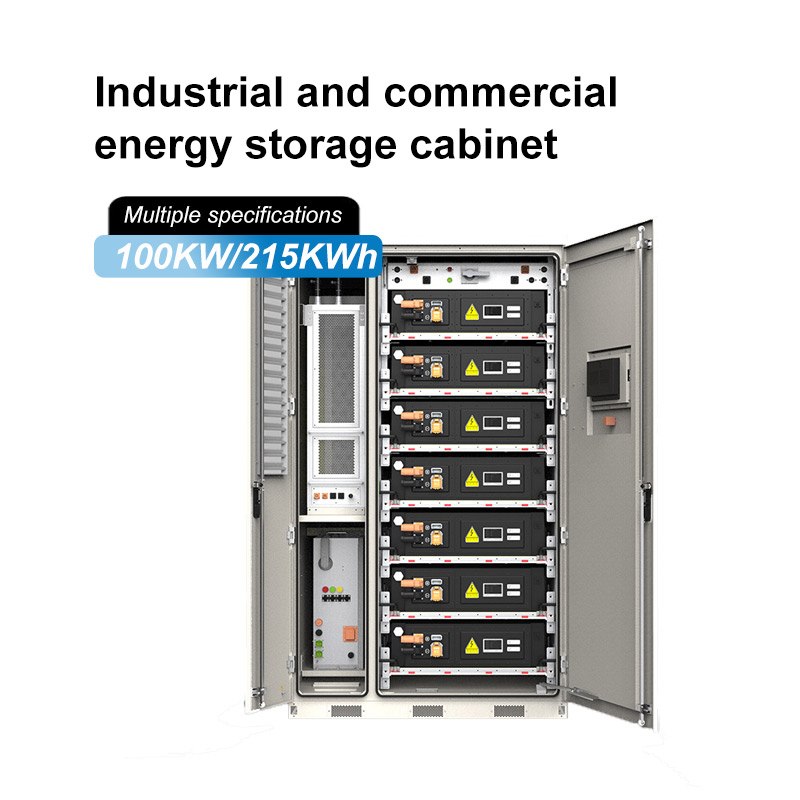
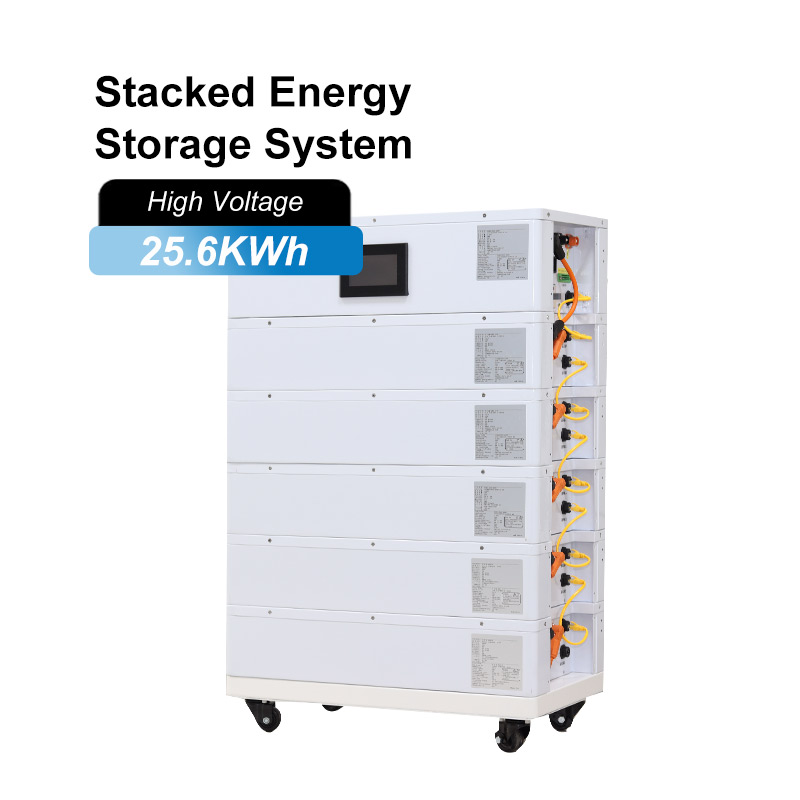
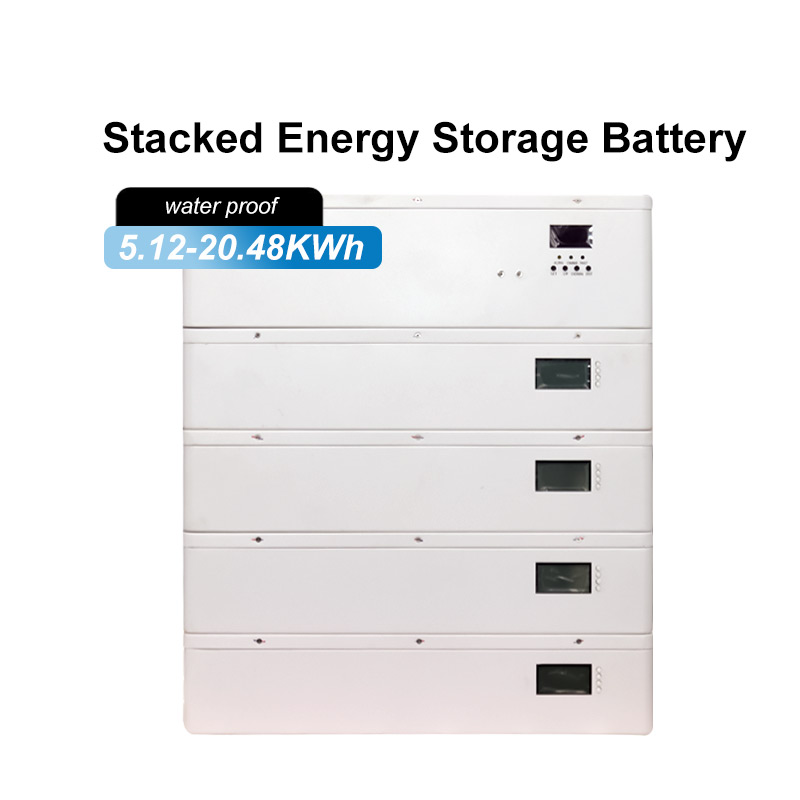
GreenMore (Jiangsu GreenMore Technology Co., Ltd.) manufactures photovoltaic building-integrated products including solar tiles, solar ceramic tiles and photovoltaic curtain wall panels. The company also supplies energy storage systems for residential, commercial and industrial applications, as well as complete solar power station systems. GreenMore's products are exported to markets across Europe, the Middle East, Africa and the Americas. For more information, visit contact us.
Anna is a content specialist in GreenMore's Marketing Department. She covers technical assessments, product reliability studies, project installations and industry trends across the company's BIPV solar tile portfolio.
Stay up to date with GreenMore. We share new BIPV solar tile releases, product and certification updates, and field notes from our projects — no fluff, just the things that matter to installers, distributors, and system integrators. If there's something you'd like to see covered, drop us a line — we read every reply.




Copyright @ 2026 GreenMore All Rights Reserved.  Network Supported
Sitemap / Blog / Xml / Privacy Policy