
Welcome to GreenMore
Welcome to GreenMore
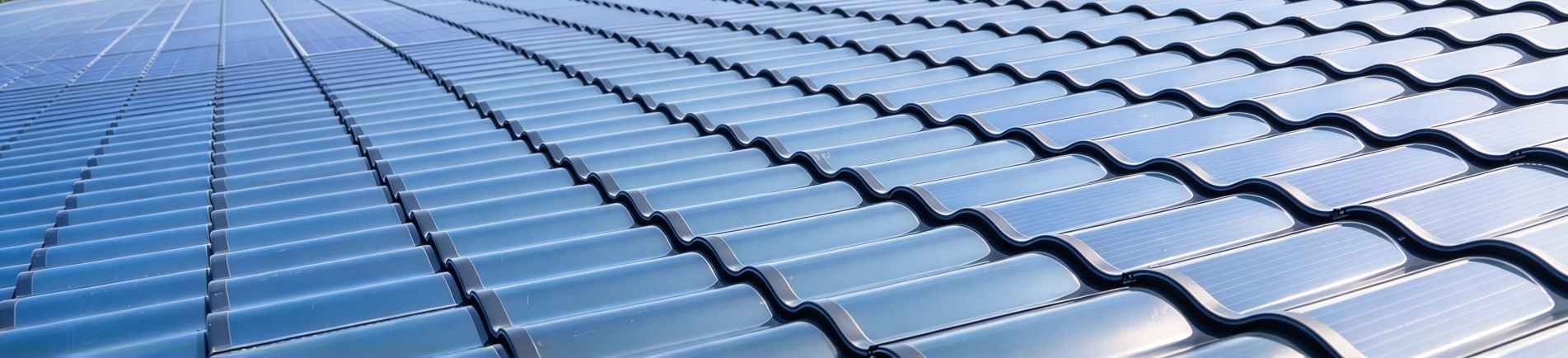
A Battery Energy Storage System (BESS) stores electricity in rechargeable batteries and releases it later when it is needed. Homes use it with solar to use more of their own generation and keep power on during outages; businesses and utilities use it to cut peak demand costs and support the grid. As solar and wind grow, battery energy storage systems have become a standard part of modern energy management rather than a niche option.
At its simplest, a BESS captures energy that is available now so it can be used later. Its main jobs are:
A battery stores direct current (DC), while most homes and businesses run on alternating current (AC), so power electronics handle the conversion in both directions:
| Component | Role |
|---|---|
| Battery cells and modules | Store the energy; most GreenMore systems use lithium iron phosphate (LiFePO4) cells |
| BMS | Monitors and balances cells, enforces safety limits |
| Inverter / PCS | Converts DC to AC and back, manages grid connection |
| EMS / controls | Schedules charging and discharging and provides monitoring |
| Enclosure | Protects the system; wall-mounted, rack or outdoor cabinet depending on use |
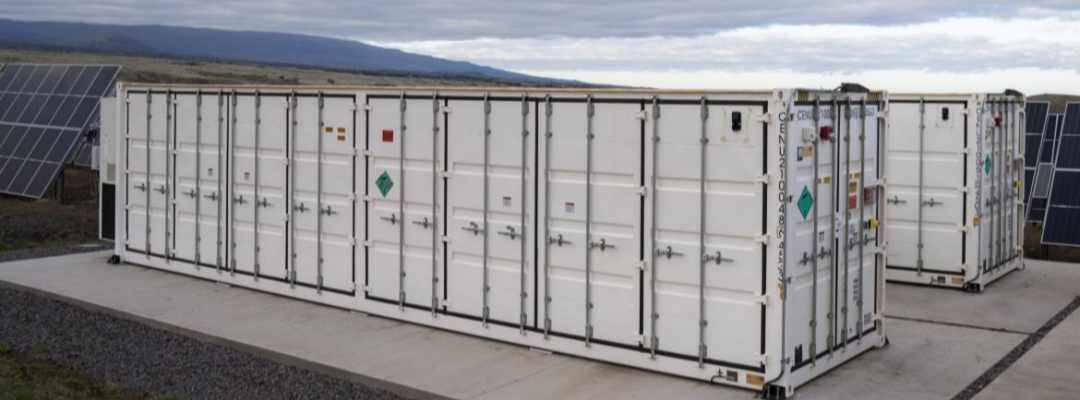
Residential. Home systems store rooftop solar for evening use and backup. GreenMore offers wall-mounted, stackable and all-in-one storage in common capacities around 5 kWh, 10 kWh, 15 kWh and 20 kWh, along with customized sizes, for households with solar.
Commercial and industrial. Businesses use BESS for peak shaving, demand-charge management and reducing overall energy costs, as well as for backup at sites that cannot afford downtime.
Microgrids and weak-grid areas. Combined with solar or wind, battery storage provides reliable power in remote locations and regions with an unstable grid, reducing dependence on diesel generation.
GreenMore supplies a range of residential and commercial battery storage, from compact wall-mounted units to scalable cabinet and containerized systems for larger projects. Products use lithium iron phosphate chemistry with BMS protection and monitoring, and the team works with distributors, resellers and solar integrators to match capacity and configuration to each application. For help choosing a system, contact the GreenMore team or email export@gmsolarkit.com.
A single battery or cell only stores energy. A BESS is the complete system — battery modules, BMS, inverter or power-conversion equipment, controls and enclosure — that can be safely charged, discharged and connected to a home, business or grid.
Yes. A BESS can charge from the grid during low-cost periods and discharge during peak hours or outages. Pairing it with solar adds self-consumption and longer-term savings, but solar is not required for the system to operate.
It depends on the battery capacity and which loads are used. A typical home battery can run essential loads such as lights, communication and a refrigerator for several hours during an outage; pairing it with solar to recharge can extend that. Whole-home, high-demand use will shorten runtime considerably.
Lithium iron phosphate (LiFePO4) is widely used for stationary storage because of its stable chemistry, long cycle life and tolerance of regular charging and discharging. The BMS and enclosure design remain important for overall safety regardless of chemistry.
Peter works with distributors, installers and project owners to select battery storage for residential, commercial and microgrid applications. He helps customers match capacity, chemistry and power conversion to their loads and use patterns, and explains how a BESS operates day to day so purchasing and installation decisions are based on real requirements.
Stay up to date with GreenMore. We share new BIPV solar tile releases, product and certification updates, and field notes from our projects — no fluff, just the things that matter to installers, distributors, and system integrators. If there's something you'd like to see covered, drop us a line — we read every reply.




Copyright @ 2026 GreenMore All Rights Reserved.  Network Supported
Sitemap / Blog / Xml / Privacy Policy


