How GreenMore Ensures Professional Sample Customization for Solar Tile and Energy Storage Projects
Aug 18, 2026
A sample request is the point where a project either gets a real specification or quietly stalls. The buyer needs to hold the tile, check the colour against the facade, and confirm the interlocking geometry works with the roof they already have. The supplier needs to know the request is serious before committing a production slot to a one-off run.
That is the whole reason a sample policy has to be specific. "Pricing depends on configuration" tells a buyer nothing they can act on, and a request that arrives without a clear answer on cost, freight and lead time usually turns into three weeks of email before anyone commits.
This page sets out how GreenMore handles samples for solar tiles and energy storage: what a sample is, what it costs, who pays the freight, how the cost is credited back against a production order, and what to include in the request so the quotation comes back as a number rather than a range. The products referenced here are the ones on the solar tile range and the home energy storage range.
The sample loop is short, but every step in it has a cost and a calendar position.
What a sample is, and what it is not
A sample is a production-representative unit
The sample we ship is built on the same line, from the same materials, with the same lamination and the same junction box as the production order. It is not a hand-assembled demonstration piece. That matters because the most common failure in a customization project is a sample that passes and a production batch that does not, and the usual cause is that the sample was never representative in the first place.
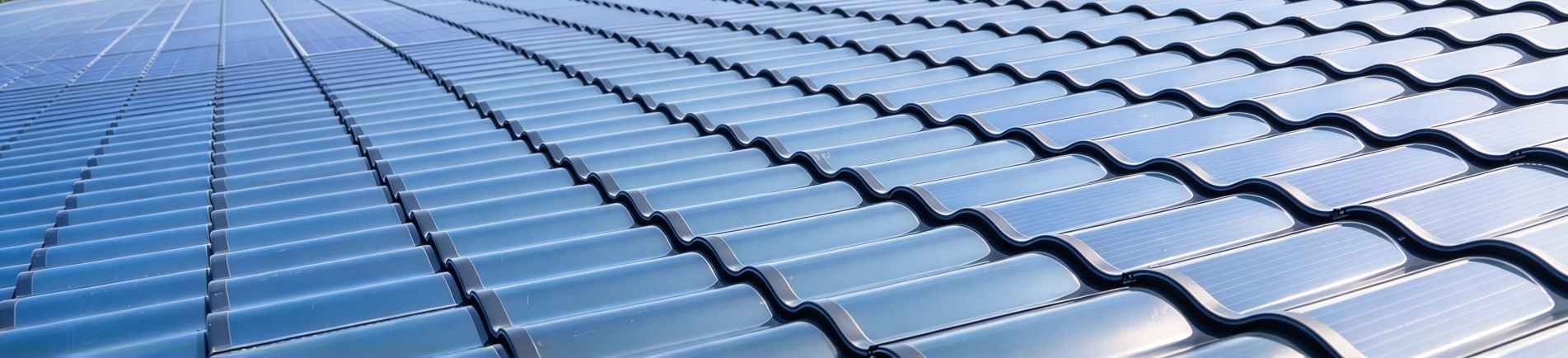
For solar tiles, a sample is a complete, wired, weather-sealed tile that can be laid against an existing roof, connected to a meter, and left outside. For energy storage, the sample is a structural and enclosure sample rather than a live battery unit, for reasons covered below.
What we do not ship as a sample
Energy storage samples cover the enclosure, the terminal and interface layout, the control module exterior and the battery module housing. They do not contain live cells. Shipping a charged lithium pack across a border turns a sample into a dangerous goods consignment with its own documentation, carrier restrictions and cost, which is disproportionate for what a sample is meant to establish: whether the enclosure fits the installation, whether the terminals are reachable, and whether the finish matches the specification.
If a project needs to validate cycle performance or EMS behaviour before committing, that is a different exercise, run against a test unit at the factory or against reference data from units already in service. It is worth saying so at the request stage rather than discovering it after the box arrives.
What can be customized in a sample
The sample carries the same customization scope as the production order, minus anything that requires new tooling. A colour that is not in the standard range, for example, is a tooling decision that runs on its own timeline and is quoted separately.
Product
Customizable in a sample
Typical sample quantity
BC curved solar tile
Power bin (37 / 42 / 50 W), colour, connector, carton artwork
1–3 pieces
Triple-arch solar tile
Colour, packaging, documentation language
1–3 pieces
Flat solar tile
Power bin (104 / 110 W), colour, framing finish
1–3 pieces
Long-span tile strip
Length, connector position, packaging
1–3 pieces
Home storage
Enclosure, terminal layout, control module exterior
By structural requirement
C&I storage cabinet
Enclosure, interface layout, finish
By structural requirement
Solar tiles
The standard colour range is grey, green, red and black, and any of the four can be sampled without a tooling change. Power bin is selectable across the BC line: the GM-HW50BC at 50 W and 24.1% module efficiency, the GM-HW42BC at 42 W, and the GM-HW37BC at 37 W, all on the same 720 × 500 × 32 mm body at 6.5 kg. The triple-arch GM-HW32L samples at 32 W on a 700 × 500 × 33 mm body, and the flat GW30 and GW25 sample at 110 W and 104 W on a 1060 × 650 × 35 mm body.
A colour outside those four is a matched finish, which means a trial run and an approval loop before anything ships. That is a four to six week exercise on its own and it should be started before the sample request, not alongside it.
Energy storage
Structural samples are taken from the residential range (5.12–20.48 kWh at 51.2 V nominal, IP54, stacked or wall-mounted) and the air-cooled C&I cabinet range (55, 100 or 215 kWh, 30–100 kW, 400 V three-phase, IP54). What the sample establishes is fit, access and finish: whether the enclosure clears the wall detail, whether the terminals sit where the installer needs them, and whether the paint matches the plant room.
Four standard colours. Anything outside that range is a tooling conversation, not a sample request.
What the sample costs, and what it does not
Samples are charged at cost. There is no margin on a sample, and no handling fee added on top. What you pay is what the unit costs us to build, pack and hand to the courier.
What the cost price covers
Materials. Glass, cells, encapsulant, junction box, connectors and framing, at the same grade as production.
Production time. A short run on the line, including the setup that a one-off build requires.
Testing. Electroluminescence imaging, power binning and the waterproof inspection that every production unit receives.
Protective packaging. Corner protection and a carton rated for international courier handling, not a display box.
What it does not cover
Freight is not included in the sample cost. It is charged separately and paid by the buyer, calculated on destination, packed weight and courier service. Buyers are welcome to use their own courier account; we will pack to the carrier's requirement and hand over against the collection reference.
Certification work is also outside the sample cost. A sample demonstrates the product; it does not create a certificate for a new market. If the project needs a certificate the product does not currently hold, that is a separate scope with its own eight to twelve week timeline, and it belongs in the plan from the first conversation rather than the last.
Why the number moves between configurations
A 50 W BC tile and a 32 W Triple-arch solar tile are different bills of materials, so their cost prices differ. The same applies across the storage range, where a 215 kWh cabinet sample is a structural assembly of a different order to a wall-mounted enclosure. What does not change is the principle: cost, no margin, quoted as a line item so the buyer can see what the sample actually consists of.
Freight, packaging and delivery
Who pays, and how it is calculated
The buyer pays freight. The quote is built from three inputs: destination country and postcode, packed weight and dimensions, and the service level the buyer chooses. Express courier for a single tile is a different number from consolidated air freight for a project set, and both are different from sea freight on a pallet. We quote what is asked for rather than defaulting to the most expensive option.
Samples ship with full tracking. The tracking number goes out with the shipping confirmation rather than on request, because the week a sample is in transit is exactly when a project manager needs to know where it is.
Packaging
Solar tiles are heavy, glass-faced and vulnerable at the corner. A single tile travels in a foam-lined carton with corner blocks, sized so the tile cannot shift in transit. Multiple tiles ship in a divided carton with a separator between each unit, because two tiles in contact will damage each other long before the courier does anything wrong.
Storage samples ship as enclosure sections and interface plates rather than as a complete unit, which keeps the consignment inside standard courier limits and avoids the dangerous goods classification that a live battery would trigger.
The credit-back rule
This is the part most buyers ask about, and it is simple: the sample cost is credited against the production order once the sample has been inspected and approved.
How the deduction works
Sample is built and shipped. The invoice covers cost price only, freight billed separately.
Buyer inspects the sample. Fit, colour, output and finish are checked against the agreed specification.
Buyer confirms approval. Written confirmation, with any notes on what was accepted.
Production order is placed. The sample cost appears as a deduction line on the production invoice, not as a refund.
Order ships. The deduction is already in the price, so there is no separate claim to chase.
The credit is applied to the order rather than paid back as cash. That keeps the accounting on one document and means the buyer does not have to submit a claim, wait for a refund cycle, and reconcile two currencies.
What makes a sample ineligible for the credit
The specification changed after the sample. If the approved sample is not the product being ordered, the sample cost does not transfer. This is why the specification should be settled before the sample is built.
The sample was rejected. A rejected sample is not a credit; it is a diagnosis. In that case the conversation is about what failed and what the next build changes, and the second sample is quoted on the same cost basis.
No production order follows. The credit exists to move a project into production. If no order is placed, the sample was bought at cost, which is the correct outcome for both sides.
Lead times
The times below run from the point where the specification is confirmed and the sample invoice is settled, not from the first email. They are working figures for a standard-configuration sample; a matched colour or a new connector adds its own loop in front.
Sample type
Build and dispatch
Notes
Solar tile, standard configuration
7–15 days
Colour from the four standard finishes
Solar tile, matched colour
Add 4–6 weeks
Trial run plus approval sample before the request build
Storage structural sample
10–20 days
Enclosure and interface sections, no live cells
Custom or combined scope
Confirmed per project
Quoted against the actual specification
Add transit time on top. A sample to Europe by express courier is typically a few days; sea freight on a pallet is measured in weeks. The build time and the transit time are separate numbers and should be planned separately.
What to include in a sample request
A request that arrives with these six items gets a priced quotation in one reply. A request without them gets a question, and every question costs a day.
Product and profile. Which tile or which storage unit, and whether the roof needs a curved, triple-arch or flat format.
Colour. One of the four standard finishes, or a reference for a matched colour.
Power bin or capacity. The wattage for a tile, or the kWh and rated power for storage.
Purpose. What the sample needs to establish: façade match, interlocking fit, terminal access, client presentation.
Delivery address and service level. Country, postcode, and whether express or consolidated.
Project context. Roof area or system size, target market, and expected order volume, even if approximate.
With those, the reply states the sample cost, the freight, the dispatch date and the credit terms in one message. The customization process page covers what happens after approval, and the distributor programme sets out the commercial terms for repeat volume.
Every sample carries the same test record as a production unit: EL imaging, power binning and a full waterproof check.
Checking the sample when it arrives
A sample is only useful if it is inspected properly, and the inspection is usually rushed because the unit arrives in the middle of something else. These are the checks worth doing in the first day, while the packaging is still open.
Dimensions against the drawing. Overall length, width and thickness, measured rather than assumed. Roof geometry is unforgiving at the edges.
Colour under daylight. Artificial light in a warehouse flatters every finish. Take the tile outside and look at it against the facade it has to match.
Interlocking against a real neighbour. Two tiles together, not one on its own. The joint is the part that decides whether water tracks sideways.
Connector and cable routing. Whether the leads reach the next tile in the row without tension, and whether the connector sits where it can be serviced.
Output at the meter. A quick open-circuit voltage and short-circuit current reading against the nameplate bin, which catches transit damage before installation does.
EL image, where one is supplied. Cracks and inactive areas show up here and nowhere else.
Write down what you find, including the things that are right. Approval notes become the reference document for the production run, and a note that says "colour approved under overcast light" prevents an argument six weeks later when the batch arrives in summer.
Frequently asked questions
Is the sample free?
No. Samples are charged at cost, with no margin and no handling fee added. The cost is credited back against the production order once the sample has been inspected and approved, so for a project that proceeds the sample effectively costs nothing beyond the freight.
Who pays the shipping?
The buyer. Freight is quoted separately from the sample cost and calculated on destination, packed weight and the courier service chosen. Buyers can use their own courier account if they prefer, in which case we pack to the carrier requirement and hand over against the collection reference.
How many samples can I get?
One to three pieces per project for solar tiles, which is enough to check the interlocking against an existing roof, confirm the colour on site and keep one as a reference. Larger sets are available for design reviews and mock-up panels on request. Storage samples are sized to what the structural question actually requires.
Does the storage sample include a battery?
No. Storage samples cover the enclosure, terminal and interface layout, control module exterior and battery module housing, without live cells. A charged lithium pack crossing a border becomes a dangerous goods consignment with its own documentation and carrier restrictions, which is disproportionate for establishing fit and finish.
Can I get a colour that is not in your standard range?
Yes, as a matched finish rather than a standard sample. It requires a trial run and a physical approval sample, which takes four to six weeks before the sample request build starts. If the colour is the reason for the project, start that conversation first.
What happens if the sample does not match the specification?
You tell us what failed and we diagnose it. A rejected sample is not credited, because there is no production order to credit it against, but the rebuild is quoted on the same cost basis and the failure is documented so it does not repeat at production scale. Samples are built to the same standard as production units for exactly this reason: a sample that cannot be trusted is worse than no sample.
To start a request, use the contact page or write to export@gmsolarkit.com with the six items above. For the wider picture on what else can be changed on a production order, see the full-chain customization guide.
L
Luke
Product Manager, Solar Roof Tiles
Works with EPC partners and distributors on sample customization, installation design and project delivery.
Updated on November 14, 2026






 Network Supported


