How to use home solar batteries correctly
May 14, 2024
P
Peter Lu
Energy Storage Product Manager
A home solar battery does not need much day-to-day attention, but how you charge it, where you install it and how deeply you discharge it all affect both its lifespan and safety. The short version: keep it in a cool, dry, ventilated spot, avoid running it all the way down on a regular basis, use compatible certified charging equipment, and leave servicing to qualified installers. Follow those habits and the battery will deliver close to its rated cycle life rather than aging early.
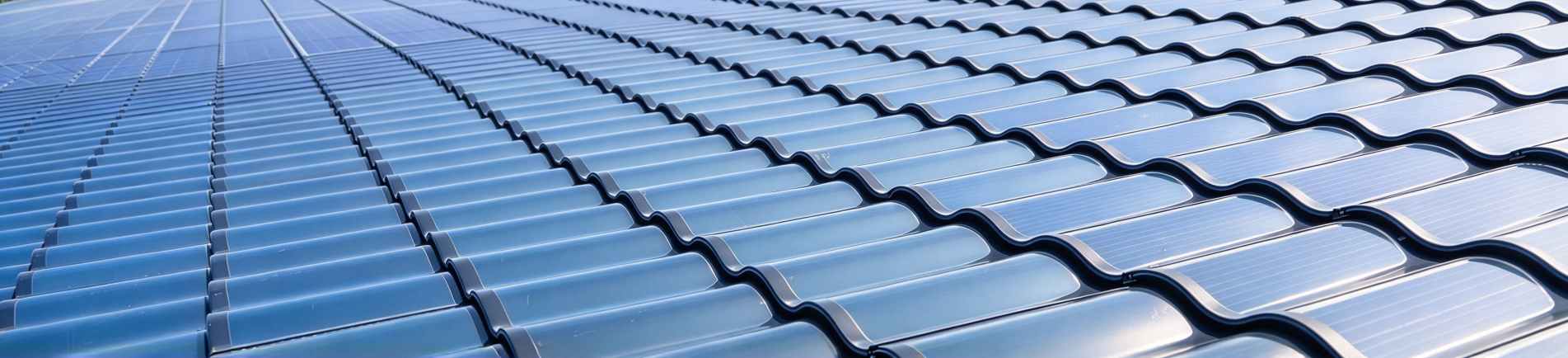
Residential off-grid solar system architecture diagram
Keep the temperature moderate
Lithium batteries are sensitive to heat, and sustained high temperatures are the most common cause of shorter cycle life. Charging in very cold conditions is also hard on the cells, which is why most systems reduce charging current when it is cold. Practical steps:
Install the battery in a cool, dry, ventilated location and out of direct sunlight where possible.
Do not enclose it in a tight, unventilated cupboard next to a heat source.
In very hot climates, a shaded outdoor wall or a conditioned space makes a noticeable difference over the years.
The exact operating range depends on the model, so check the specification sheet rather than assuming a single figure for every battery.
Charge and discharge sensibly
Modern home batteries use lithium iron phosphate (LiFePO4) cells managed by a battery management system (BMS), so you do not have to micromanage every charge. A few habits still help:
Avoid regular full drains. Letting the battery sit near empty stresses it more than staying in the middle of its range. The BMS will cut in before true zero, but it is best not to rely on that every day.
Use scheduled charging where it helps. Many systems can charge from solar or off-peak tariff hours and discharge in the evening; turning on that mode both saves money and keeps cycling predictable.
Spread heavy loads. Starting several large appliances at once can draw high current; staggering them keeps the battery and inverter within a comfortable range.
Use compatible equipment. Charge with the inverter and settings the system is designed for, rather than an unmatched charger.
Installation and what to inspect
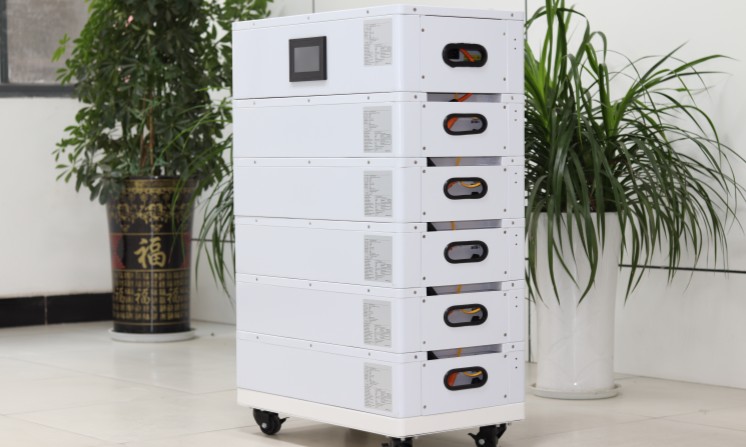
A correctly mounted, certified battery is the starting point. It should be secured to a suitable wall or floor according to the installer's instructions, kept clear of stored items, and protected from moisture and physical impact. Every so often it is worth a quick visual check for:
A swollen, cracked or deformed casing, or unusual marks around the unit.
Loose or damaged cabling and connections.
Standing water, damp or excessive dust around the installation.
If anything looks wrong, stop using the system and contact your installer. Do not open or repair the battery yourself; the cells are sealed and internal work needs a qualified technician.
Storing a battery you are not using
If the system will be off for a while, do not put it away full or empty. A partial state of charge, stored somewhere cool and dry, is the safest condition.
Situation
Recommended handling
Short-term shutdown
Leave it at roughly half charge in a cool, dry place and follow the model's storage guidance.
Long periods idle
Check the state of charge periodically and top it back up so it does not sit empty for months.
End of life
Return it through the supplier or a licensed battery recycler; do not put it in household waste.
Common misunderstandings
Habit to avoid
Better approach
Draining the battery fully on a daily basis
Keep routine cycling in the middle of the range; reserve deep discharge for occasional need.
Mounting it somewhere hot and unventilated
Choose a cool, dry, ventilated location out of direct sun.
Using an unmatched charger or inverter
Use the certified equipment and settings the battery is specified for.
Opening the pack to repair it yourself
Have all servicing done by a qualified installer or technician.
GreenMore's home energy storage batteries use LiFePO4 cells with a built-in BMS to monitor voltage, temperature and balance, and they are installed with compatible inverters. If you would like guidance on settings or a suitable unit for your household, browse the home storage range or talk to our team.
Frequently asked questions
Is it bad to fully discharge a home battery?
An occasional full discharge will not damage a BMS-protected LiFePO4 battery, because the system shuts off before the cells are harmed. Doing it every day, or leaving it empty for long periods, does shorten life, so routine use in the middle of the range is best.
Where should a home battery be installed?
In a cool, dry, ventilated location that meets the manufacturer's clearance requirements, secured against movement and protected from moisture and direct heat. Some units are rated for outdoor wall mounting; others are intended for indoor spaces, so check the model.
Do I need to turn the battery off when I go away?
No. Most systems can stay on and maintain themselves, and backup protection is useful while you are away. If you do need to shut it down for an extended period, store it at around half charge and check it periodically.
Can I service the battery myself?
Routine visual checks and keeping the area clear are fine, but opening the casing or working on internal components should be left to a qualified installer. The cells are sealed and carry high DC voltage.
P
Peter Lu
Peter is GreenMore's Energy Storage Product Manager. He advises homeowners and installers on battery settings, placement and charge habits that get the full rated life from LiFePO4 systems, and he focuses on practical safety rather than complicated maintenance routines. Reach him through the contact page or at export@gmsolarkit.com.





 Network Supported

