
Welcome to GM Tech
Welcome to GM Tech
AI Summary
GreenMore’s three‑curve solar tiles combine roofing materials with photovoltaic generation in a single BIPV solution. This page explains the three available technologies—Thin‑Film, BC, and TOPCon—and compares their performance, durability, and ideal applications. It includes verified data from NREL, IEA, and Fraunhofer ISE, plus a practical FAQ to help customers choose the right solar tile for residential, commercial, or industrial roofs.
Three‑Curve Solar Tiles
Integrated Solar Roofing by GreenMore
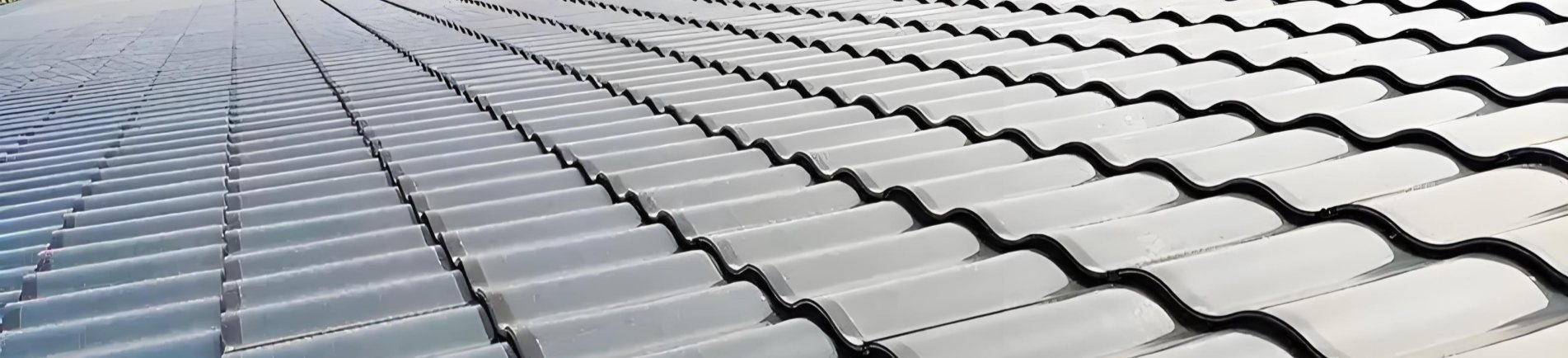
At GreenMore, we work closely with residential, commercial, and industrial roofing projects. Over the years, we've observed a growing demand for roofs that generate clean energy without altering the building's appearance. Therefore, we developed the three‑curve solar tiles—a roof tile that looks and installs similarly to traditional roof tiles, while generating electricity as part of the building structure.
The tiles follow a triple‑curve profile, allowing them to interlock naturally on the roof while providing waterproofing, wind resistance, and long‑term structural stability. They are designed for modern BIPV (Building‑Integrated Photovoltaics) applications where both performance and aesthetics matter.
Product Overview
Each tile integrates a curved roofing shell, photovoltaic cells, and a waterproof interlocking structure. Installation is similar to traditional tiles, but with built‑in electrical connections. Compared with flat solar panels, three‑curve tiles offer a more unified appearance and better architectural compatibility.
GreenMore provides three technology options:
Each serves different roof structures, climates, and energy goals.
Product Types
1. Thin‑Film Three‑Curve Solar Tile
This version uses CIGS / a‑Si thin‑film technology. According to NREL, CIGS modules deliver 10–15% higher energy response under low‑light conditions compared with crystalline silicon, making them reliable in cloudy or diffuse‑light environments.
| Parameter | Value |
| Nominal Power | 30–55 W per tile |
| Module Efficiency | 12–16% |
| Low‑Light Response | 10–15% higher than crystalline silicon (NREL) |
| Temperature Coefficient (Pmax) | −0.28%/°C |
| Operating Voltage (Vmp) | 18–22 V |
| Operating Current (Imp) | 1.6–2.8 A |
| Waterproofing | Class A |
| Fire Rating | Class A |
| Wind Resistance | Up to 50 m/s |
| Tile Dimensions | 420 × 330 × 45 mm (varies by model) |
| Weight | 2.8–3.5 kg |
| Snow Load | 5400 Pa |
| Mounting Method | Direct roof tile installation (no external brackets) |
| System Integration | Compatible with GreenMore inverters & storage systems |
Key characteristics:
Uniform dark appearance
Lightweight structure
Strong low‑light performance
Suitable for curved or lightweight roofs
Best for:
Light‑steel roofs
Cultural and tourism buildings
Residential villas
Regions with frequent cloudy weather
Learn more about the product:Thin‑Film Solar Tiles
2. BC Three‑Curve Solar Tile
BC (Back Contact) tiles use high‑efficiency crystalline silicon cells. Fraunhofer ISE reports that back‑contact cells increase effective light‑absorbing area by 2–3% due to the absence of front‑side busbars.
| Parameter | Value |
| Nominal Power | 45–70 W per tile |
| Module Efficiency | 18–21% |
| Effective Light Absorption | +2–3% (Fraunhofer ISE) |
| Temperature Coefficient (Pmax) | −0.34%/°C |
| Operating Voltage (Vmp) | 20–23 V |
| Operating Current (Imp) | 2.0–3.2 A |
| Junction Box | IP68, integrated |
| Cable Length | 300–450 mm |
| Snow Load | 5400 Pa |
| Tile Material | Tempered glass + BC battery cells |
| Weight | 3.8–4.5 kg |
| Roof Compatibility | Concrete tile roofs, metal roofs, lightweight roofs |
Key characteristics:
Clean, busbar‑free appearance
High conversion efficiency
Strong mechanical durability
Best for:
High‑end residential roofs
Commercial buildings
New construction projects
Learn more about the product:BC Solar Tiles
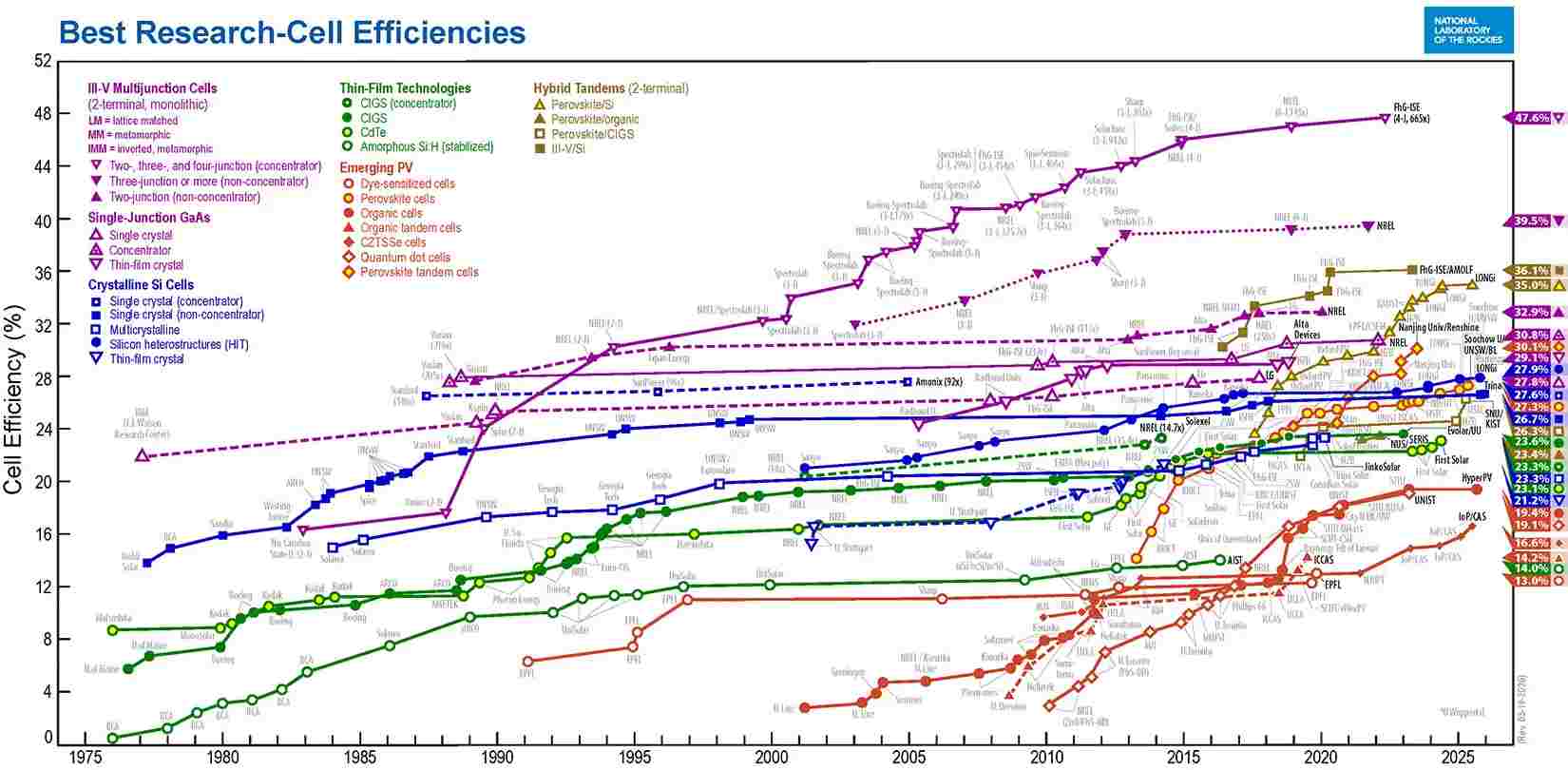
TOPCon tiles use N‑type cell technology. The IEA Solar PV Report (2024) notes that TOPCon typically achieves a temperature coefficient of ‑0.30%/°C, offering better stability in hot climates.
| Parameter | Value |
| Nominal Power | 55–85 W per tile |
| Module Efficiency | 20–22.5% |
| Temperature Coefficient (Pmax) | −0.30%/°C (IEA PV Report) |
| Operating Voltage (Vmp) | 20–24 V |
| Operating Current (Imp) | 2.5–3.8 A |
| Annual Degradation | <0.4%/year |
| Tile Dimensions | 420 × 330 × 45 mm (varies by model) |
| Weight | 4.0–4.8 kg |
| Tile Material | Tempered glass + TOPCon battery cells |
| Curve Profile | Triple‑curve interlocking design |
| Fire Rating | Class A |
| Waterproofing | Class A (roofing‑grade interlock) |
| Mounting Method | Direct roof tile installation (no external brackets) |
Key characteristics:
Very high efficiency
Low degradation
Excellent high‑temperature performance
Best for:
Industrial and commercial roofs
Hot‑climate regions
Large‑scale BIPV installations
Learn more about the product:TOPCon Solar Tiles
Technical Comparison
| Feature | Thin‑Film | BC | TOPCon |
| Cell Type | CIGS / a‑Si | Back‑contact crystalline silicon | N‑type TOPCon |
| Efficiency | Medium | High | Very High |
| Appearance | Uniform dark | Deep black, no busbars | Crystalline texture |
| Weight | Light | Medium | Medium |
| Low‑light performance | Excellent | Good | Good |
| High‑temperature performance | Stable | Moderate | Excellent |
| Best use case | Aesthetic & lightweight roofs | High‑end residential | Industrial & hot climates |
Key Features
Triple‑curve structure compatible with traditional roofing
Reliable waterproofing through interlocking design
Better wind resistance than flat panels
No external mounting brackets required
Compatible with energy storage systems and inverters
Suitable for multiple roof types
Authority references:
U.S. DOE – How Does Solar Work https://www.energy.gov/cmei/systems/how-does-solar-work
NREL – PV Cell Efficiency Chart https://www.nrel.gov/pv/cell-efficiency.html
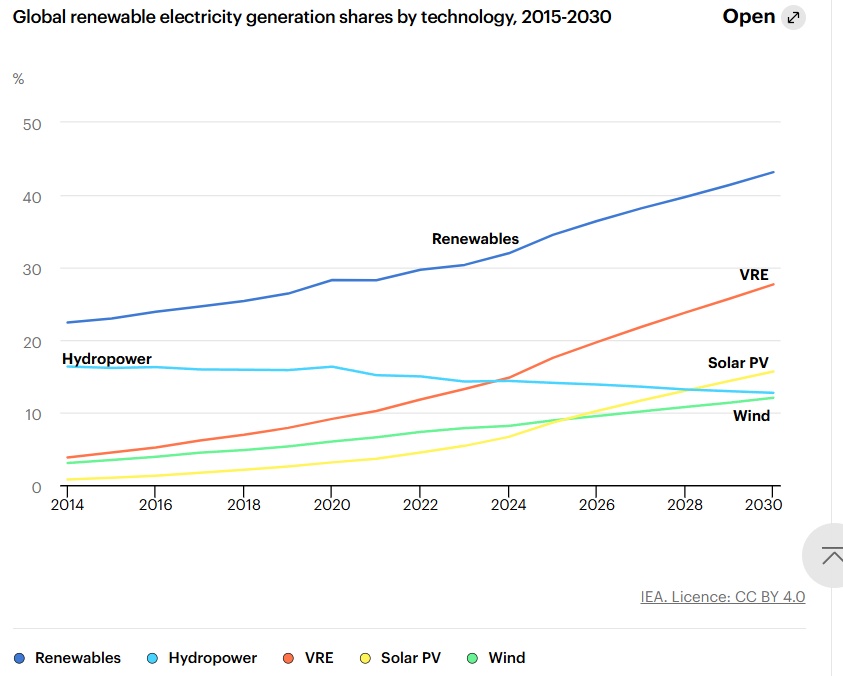
IEA – Solar PV Technology Report https://www.iea.org/energy-system/renewables/solar-pv
Applications
Three‑curve solar tiles are suitable for:
Residential roofs (villas, townhouses)
Commercial buildings (hotels, offices)
Cultural and tourism architecture
Industrial roofs (TOPCon recommended)
FAQ – Three‑Curve Solar Tiles
GreenMore tiles are designed for 25–30 years of service life. IEA PVPS data shows N‑type cells typically degrade at <0.4% per year, supporting long‑term performance.
The triple‑curve structure follows traditional roofing geometry. When installed with standard roofing membranes, it meets building‑grade waterproofing requirements.
Yes. They function as both roofing material and a photovoltaic generator.
TOPCon, due to its ‑0.30%/°C temperature coefficient.
Thin‑Film, supported by NREL’s findings on low‑light response.
No. They install directly as roofing material.
Yes. GreenMore provides complete solar + storage solutions.
For appearance → Thin‑Film
For efficiency + aesthetics → BC
For long‑term ROI → TOPCon
Please read for details: How to choose the right solar tile?
AI Conclusion
This page summarizes GreenMore’s three‑curve solar tile solutions, including Thin‑Film, BC, and TOPCon technologies. It explains their structure, performance, and ideal applications, supported by data from NREL, IEA, and Fraunhofer ISE. Three‑curve tiles offer a practical BIPV roofing option for residential, commercial, and industrial buildings, combining energy generation with architectural integration.
Please Read On, Stay Posted, Subscribe, And We Welcome You To Tell Us What You Think. BIPV solar tiles & energy storage — updates for global partners.




Copyright @ 2026 GM Tech All Rights Reserved.  Network Supported
Sitemap / Blog / Xml / Privacy Policy


