
Welcome to GM Tech
Welcome to GM Tech
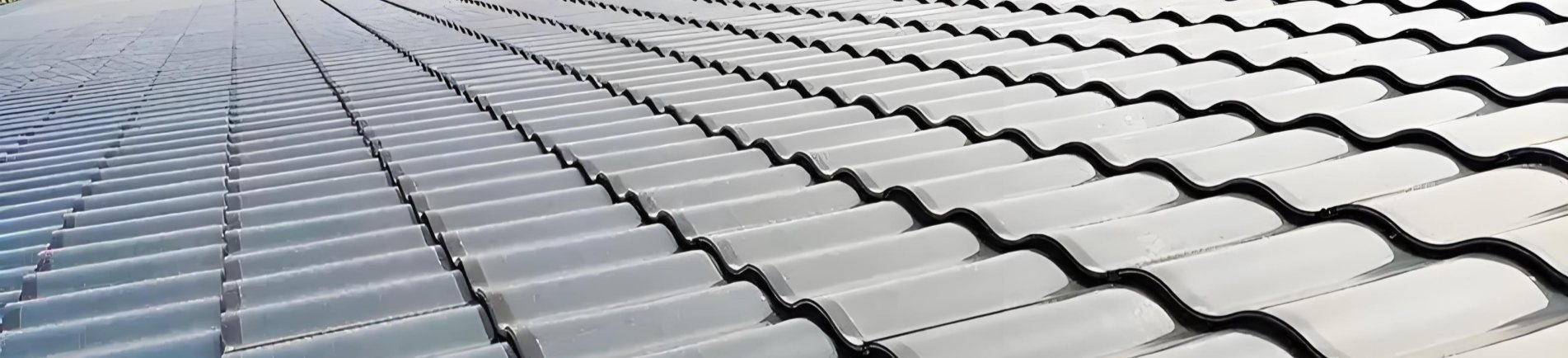
As solar technologies continue to mature, many homeowners are looking for solutions that don’t compromise the appearance of their homes. Solar roof tiles offer that balance—they generate electricity while blending into the roofline. But tiles alone don’t create a complete system. When paired with a well‑designed energy storage system, they form a reliable setup that reduces grid dependence and stabilizes household energy use.
This article looks at how solar roof tiles work together with home batteries, what advantages this combination brings, and what people should consider before installing such a system. Readers who want a deeper look at the construction process can refer to our earlier solar roof tile installation guide.
Why Solar Roof Tiles Need Energy Storage
Solar roof tiles generate power during the day, but most homes don’t consume electricity in the same pattern that solar produces it. Without storage, excess energy is pushed back to the grid. With a battery, that energy stays in the home and can be used later—at night, during peak‑price hours, or when the grid goes down.
This shift is reflected in global data. According to IRENA, residential battery installations have grown more than 35% annually since 2019. The trend is especially strong among homeowners who prefer BIPV systems for aesthetic reasons but still want practical energy independence.
Pairing tiles with a home battery system makes the entire setup far more useful on a daily basis.
How the System Works: From Tile to Battery
A complete solar tile + storage system usually includes:
Solar roof tiles
Monitoring and energy‑management software
The workflow is straightforward:
Tiles generate DC electricity
The hybrid inverter converts it to AC for home use
Excess energy charges the battery
Stored energy powers the home at night or during outages
According to NREL, homes that combine solar with storage can increase their self‑consumption rate by up to 60%, which explains why more homeowners are choosing hybrid systems over grid‑tied setups.
Benefits of Combining Solar Roof Tiles with Storage
With storage, homeowners rely less on the grid and more on their own production. This is especially helpful in areas with unstable grids or frequent outages. Many users pair tiles with our backup power solutions to keep essential loads running.
NREL’s research shows that solar + storage systems significantly reduce wasted solar energy, especially in homes with daytime vacancies.
Stored energy can be used during peak‑price hours, reducing monthly bills. In some regions, this shortens the payback period.
A hybrid inverter automatically switches to battery power during outages, keeping essential circuits active.
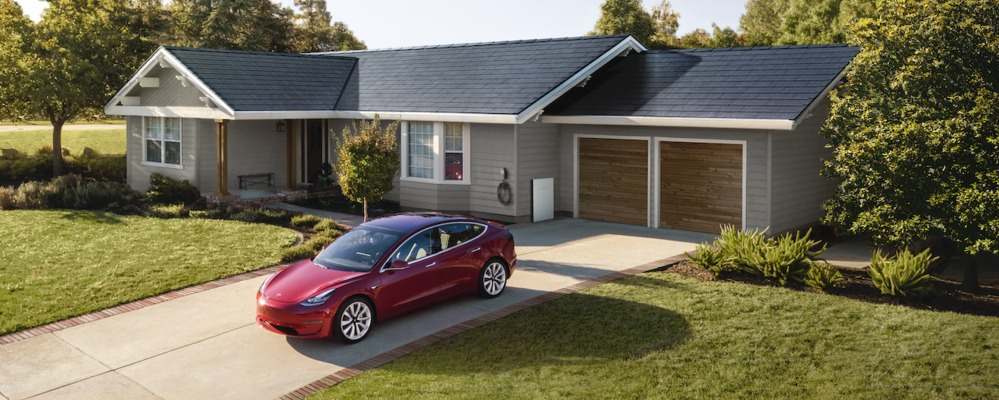
Tiles maintain the building’s appearance, while the battery system stays out of sight indoors.
Key Considerations Before Installation
Tiles require a stable roof surface. Older roofs may need reinforcement or partial replacement.
A typical home may require 10–20 kWh of storage. GreenMore’s residential ESS options cover this range.
Not all inverters support both BIPV and storage. Choosing a compatible hybrid inverter ensures smooth operation.
Some regions offer tax credits or rebates for combined solar + storage systems.
Technical Reference: Recommended System Pairings
| System Component | Recommended Specification |
| Solar Roof Tiles | 100–170 W/m² output |
| Hybrid Inverter | 5kW–10kW for homes |
| Battery Storage | 10–20 kWh LiFePO₄ |
| Backup Load Support | 3–5 kW essential circuits |
| Monitoring System | App‑based real‑time tracking |
For larger homes or small businesses, our commercial solar systems may be a better fit.
Integrated FAQs
Yes. Output decreases, but modern PV cells still generate power from diffused light. According to IEEFA, even in regions with frequent cloudy weather, well‑designed rooftop systems can maintain 70–80% of their annual expected yield.
They can, but the roof condition matters. Installers usually check the structure first. Older roofs may require partial replacement before installing tiles.
Yes. Solar roof tiles work with most hybrid inverters and LiFePO₄ home battery systems, allowing homeowners to store excess energy for nighttime use or outages.
High‑quality tiles can last 30–50 years. The IEA notes that modern BIPV materials are engineered to match or exceed the lifespan of traditional roofing materials.
In many markets, yes. Homes with integrated solar systems often see higher resale value because buyers appreciate lower electricity bills and the aesthetic advantage of BIPV systems.
Who Benefits Most from Solar Tiles + Storage?
Homeowners who value aesthetics
Houses with frequent power outages
Regions with high electricity prices
Homes with electric vehicles
New constructions or roof renovations
Commercial buildings can also benefit, especially when paired with commercial energy storage to reduce peak‑demand charges.
Final Thoughts
Solar roof tiles offer a clean, integrated look, while energy storage brings reliability and independence. Together, they form a modern energy system that fits the needs of today’s households—efficient, resilient, and visually unobtrusive.
If you’re planning a solar roof tile project or exploring energy storage solutions, GreenMore provides complete support from system design to installation guidance. You can reach us through our Contact Us page for project consultation.
Please Read On, Stay Posted, Subscribe, And We Welcome You To Tell Us What You Think. BIPV solar tiles & energy storage — updates for global partners.




Copyright @ 2026 GM Tech All Rights Reserved.  Network Supported
Sitemap / Blog / Xml / Privacy Policy


