How to Choose a Home Backup Power System?
Jun 03, 2025
P
Peter Lu
Energy Storage Product Manager, GreenMore
Backup power is no longer just for off-grid homes. Storms, grid maintenance and peak-demand strain make outages common enough that many households want automatic power for the fridge, lights, internet and heating controls. Choosing the right system is mainly two decisions: what must keep running, and for how long.
Step 1: List your essential loads
Start with the devices you cannot do without during an outage, and note both their running watts and starting watts. Motor-driven appliances draw several times their running power at startup.
Load
Typical running power
Notes
LED lighting
100–400 W
Depends on how many rooms are lit
Refrigerator
100–250 W
Compressor cycles; startup surge of 2–3x
Router and networking
20–50 W
Low draw but essential for home office
Heating or cooling controls and fans
300–1,000 W
Furnace blowers and well pumps often surprise buyers
Medical equipment
Device-specific
Must be treated as non-negotiable and sized conservatively
Figures vary by model; check the nameplate ratings of your own appliances rather than using generic numbers. The total of simultaneous running watts sets the inverter size, and the largest startup surge sets the peak power requirement.
Step 2: Decide between essential-loads and whole-home backup
There are two architectures, and they differ substantially in cost.
Essential-loads backup. Selected circuits run through a subpanel (often called a critical load panel). This covers the fridge, lights, internet and heating controls at a fraction of the cost of full backup.
Whole-home backup. The entire electrical panel is backed up. This needs a much larger inverter and battery bank, and may require coordination with the service entrance and an interlock or transfer switch.
Most households are well served by essential-loads backup. Whole-home makes sense if you regularly run high-power loads during outages — electric cooking, EV charging, central air conditioning — or simply want no change in daily life when the grid is down.
Step 3: Estimate capacity and runtime
Battery capacity determines how long the loads run. A simple estimate:
Required usable kWh = (total running W × hours of runtime) ÷ 1,000 ÷ DoD ÷ inverter efficiency
Example: 700 W of essential loads for 12 hours = 8.4 kWh of energy. At 90% DoD and 94% inverter efficiency, installed usable capacity of about 10 kWh is needed.
As rough guidance, a 5–10 kWh battery handles short outages and a few essential circuits; 15–20 kWh or more suits longer outages or whole-home coverage. These are starting points — the load calculation above is the real basis.
If you have solar, a backup battery can recharge from the panels during the day, extending runtime well past the nameplate capacity. Confirm the inverter supports off-grid solar charging; some systems can only charge from the grid.
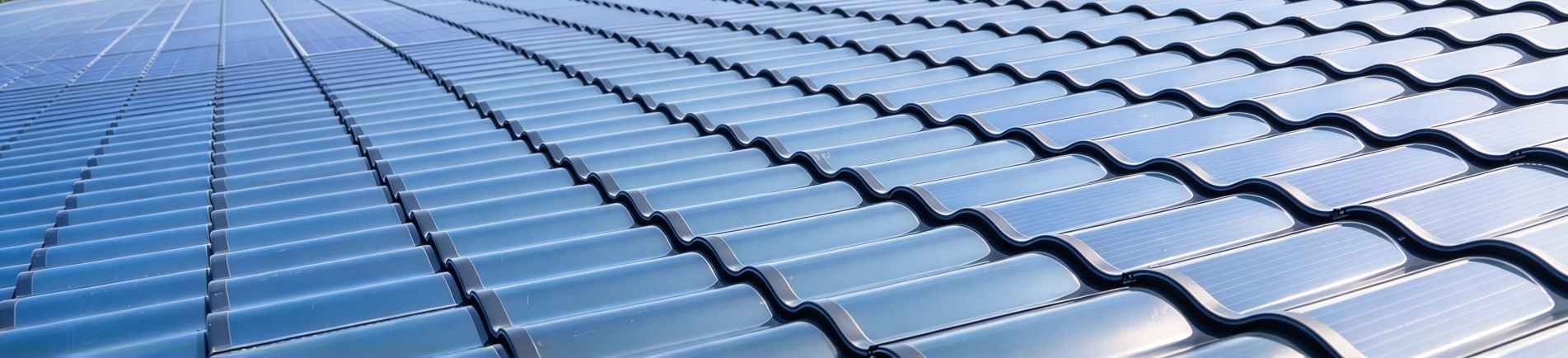
Integrated residential photovoltaic, energy storage, and charging system
Step 4: Battery backup vs generator
Generators still have a place, especially for very long outages, but battery systems suit most modern homes.
Attribute
Battery system
Fuel generator
Startup
Automatic, usually under a second
10–30 seconds for auto-start units; manual start otherwise
Noise and emissions
Silent, no exhaust
Noisy; exhaust requires outdoor placement and ventilation
Maintenance
Minimal; periodic inspection
Oil, filters, fuel treatment and exercise runs
Runtime
Limited by capacity; extends with solar
Runs as long as fuel is available
Everyday value
Also does self-consumption and time-of-use savings
Backup only; sits idle between outages
A hybrid approach is increasingly common: a battery handles typical outages silently and automatically, while an optional generator connects for rare multi-day events. Many battery inverters support a generator input for exactly this setup.
Step 5: Choose the battery form factor
Wall-mounted battery — fits garages and utility rooms, uses no floor space, fixed capacity.
Stacked modular battery — add modules later as needs grow; useful when future expansion is expected.
Integrated battery and inverter — one unit, simpler commissioning and single-point support.
LiFePO4 is the standard chemistry for stationary backup, with long cycle life and good thermal stability. Compare warranties with their DoD and cycle conditions — headline numbers without test conditions are not directly comparable.
Step 6: Plan installation and transfer switching
An automatic transfer switch (or the built-in transfer function of a backup inverter) disconnects from the grid before powering the house, which protects utility workers.
A critical-load subpanel keeps the backed-up circuits separate from the rest.
Check local permits, electrical code requirements and utility interconnection rules before purchase.
Installation involves high-voltage wiring and panel work; use a licensed installer and keep the commissioning report for the warranty.
Browse the full range on the home energy storage category page. For sizing help with your own load list, reach out through the contact page, and see how runtime plays out in the related article on how long a 10 kWh battery lasts.
FAQ
How big of a backup system does a typical home need?
For essential circuits, a 5–10 kWh battery with a 3–5 kW inverter covers most short outages. Whole-home backup typically requires 15–20 kWh or more and a larger inverter. Do the load calculation with your own appliances before buying; these ranges are starting points, not specifications.
Can a home battery run an air conditioner or electric heating?
Yes if the inverter can handle both the running power and startup surge. Central air conditioning, electric furnaces and water heaters are high-power loads and will drain the battery quickly, which is why they are often excluded from essential-load panels. Check peak power ratings carefully.
Do I need a generator if I have a battery?
Not for short outages, especially with solar to recharge. For regions that see multi-day outages in winter, when solar generation is limited, a generator as a backup charging source is worth considering. Many systems accept both.
Does the system switch on automatically during an outage?
Backup-capable battery inverters with a transfer function switch automatically, usually in well under a second. Some basic storage systems are not backup-certified and shut down when the grid fails, so confirm backup capability before purchase — it is not automatic for every battery.
P
Written by Peter Lu — Energy Storage Product Manager, GreenMore
Peter helps households and installers size backup systems around actual load lists and outage durations, from single-circuit essentials to whole-home coverage with solar and optional generator support.





 Network Supported


