How GreenMore’s Solar Tile Projects Are Supporting Residential Clean Energy Adoption in Greece
Mar 17, 2026
L
Luke
Product Manager, GreenMore · Photovoltaic building materials
As more households across Europe explore ways to reduce electricity costs and increase energy independence, rooftop solar and home energy storage have become practical solutions for everyday living. In Greece, this trend is especially visible. With abundant sunlight and rising interest in distributed solar, homeowners are looking for systems that combine performance, durability, and architectural integration.
GreenMore recently completed 20 residential rooftop solar tile projects in Greece, each paired with a home energy storage system. This article takes a closer look at how these systems work, why solar tiles are gaining attention, and what this means for the future of residential clean energy.
Why Solar Tiles Are Becoming a Practical Choice for Greek Homes
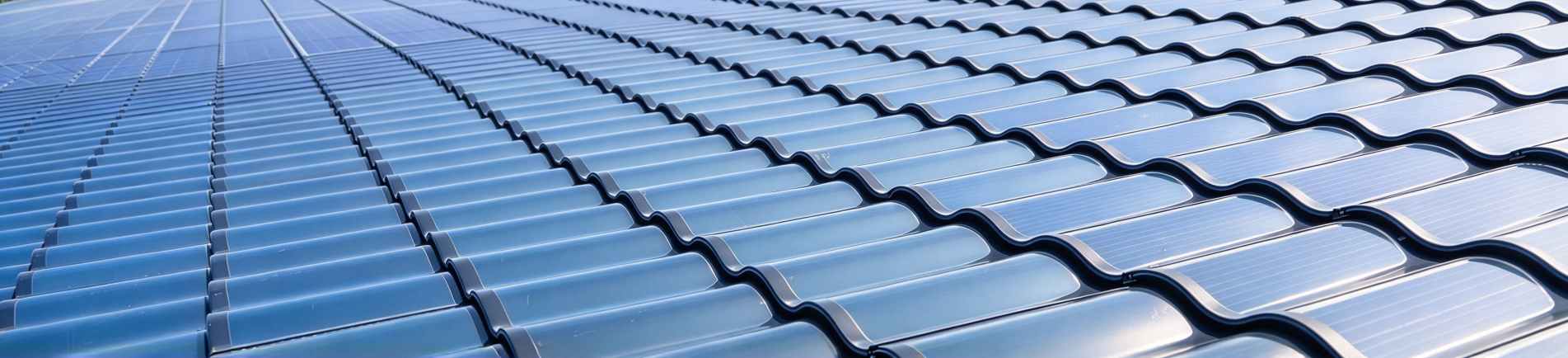
Traditional solar panels remain widely used, but solar tiles offer a different approach. Instead of mounting panels on top of the roof, solar tiles replace the roofing material itself, creating a clean and integrated appearance.
For homeowners in Greece — where many houses feature pitched roofs and coastal weather conditions — solar tiles provide several advantages:
Architectural integration without altering the roof's visual style
Durability suitable for Mediterranean climates — tempered glass construction rated for 5400 Pa wind load
Efficient power generation through CIGS thin-film technology with reliable output in diffused light
Compatibility with common clay, concrete, and metal roof structures via hook-based mounting
Pairing Solar Tiles with Home Energy Storage
Each of the 20 completed homes includes a GreenMore residential energy storage system. These systems use lithium iron phosphate (LFP) batteries, known for their thermal stability and long cycle life. When combined with rooftop solar tiles, the storage system helps households:
Use more of their self-generated solar energy
Reduce reliance on the grid during peak hours
Maintain power during outages
Improve overall energy independence
The system is coordinated by GreenMore's energy management system (EMS), which automatically manages charging, discharging, and grid interaction based on real-time conditions.
Local Collaboration Makes Deployment More Efficient
A key part of this project was GreenMore's cooperation with local installation partners in Greece. Their experience with local roof structures, building requirements, and installation practices ensured that each system was installed safely and efficiently.
The collaboration covered:
On-site roof evaluation and structural assessment
System design and tile layout planning
Mechanical installation with hook-based mounting
Electrical integration with hybrid inverter and battery
Final commissioning, testing and user handover
This model supports consistent project delivery and creates a foundation for future deployments in Greece and surrounding Mediterranean markets.
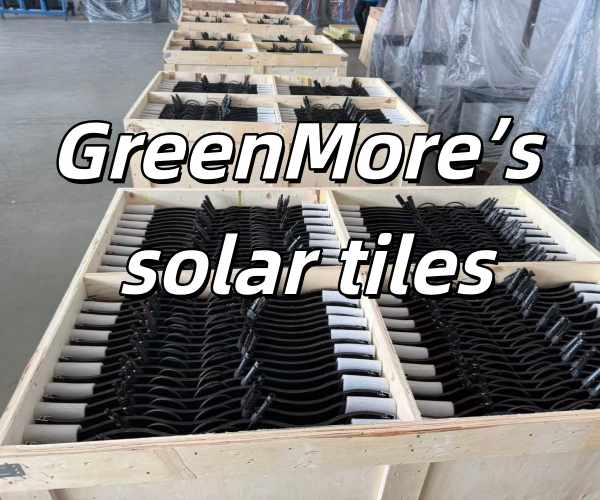
GreenMore wooden crates for shockproof packaging and factory export shipping
GreenMore's Expanding International Presence
GreenMore is a photovoltaic tile manufacturer focused on BIPV building-integrated solutions. Our core product line — three-curve solar tiles, photovoltaic bricks, and photovoltaic curtain walls — is produced in-house using CIGS thin-film and BC back-contact technologies. Solar power systems and energy storage systems are provided as supporting components for complete BIPV projects.
The Greece project is one example of how we work with local partners to support residential and commercial clean energy adoption across Europe and other target markets. Our product portfolio includes:
Solar tiles — CIGS thin-film and BC back-contact three-curve tiles
BIPV roofing systems — complete integrated rooftop solutions
Solar power systems — hybrid inverters and balance-of-system components
Energy storage systems — residential and commercial LFP battery solutions
What This Means for Residential Solar in Greece
The completion of these 20 projects highlights several trends in the Mediterranean residential solar market:
Homeowners are increasingly interested in integrated solar solutions that blend with building architecture
Energy storage is becoming a standard component of residential solar installations
Local partnerships play a key role in ensuring quality deployment
Distributed solar continues to grow across Southern Europe
As more households look for reliable and visually integrated solar options, solar tiles paired with energy storage are well positioned to become a mainstream choice in the region.
FAQ
What core materials are used in GreenMore's solar tiles?
GreenMore's solar tiles use laminated tempered glass (front and rear), composite backsheet materials, aluminum structural components, and high-performance polymer sealing layers. Tempered glass provides impact resistance; the composite backsheet improves moisture protection; aluminum components enhance mechanical strength; and polymer seals maintain long-term waterproofing. This material system ensures stable performance under high UV exposure, coastal humidity, and temperature fluctuations common in Mediterranean climates.
How does the overlapping tile structure achieve true BIPV integration?
The solar tiles use a mechanical interlocking and overlapping layout, similar to traditional roofing tiles. Each tile overlaps the next to form a continuous surface, creating a natural drainage path. This design allows the solar tiles to function as both a roofing material and a power-generating module, achieving architectural integration without additional mounting frames.
How is waterproofing achieved? Does it require extra sealing layers?
The solar tile system incorporates multi-layer waterproofing: overlapping tile geometry for natural water shedding, integrated sealing gaskets at connection points, mechanical locking structures that prevent water ingress, and IP67-rated DC connectors for electrical interfaces. Under standard installation conditions, no additional waterproof membrane is required. For coastal or high-rainfall regions, installers may apply localized reinforcement based on roof structure.
How does the BIPV tile system meet wind-load and structural requirements?
GreenMore's three-curve solar tiles are rated for 5400 Pa wind pressure and use a hook-based mounting system that connects directly to the roof's structural battens. The mechanical fastening ensures compliance with typical requirements for pitched roofs in Southern Europe. Before installation, local teams conduct a structural assessment to confirm that the roof can support the system under regional wind conditions.
Work With GreenMore
GreenMore is a photovoltaic tile manufacturer specializing in BIPV roofing solutions for residential and commercial projects. Our three-curve solar tiles, photovoltaic bricks, and photovoltaic curtain walls are produced in-house, with CIGS thin-film and BC back-contact technology options available. Solar power systems and energy storage systems are provided as supporting components of the complete BIPV solution.
If you're exploring solar tile solutions for a project in Greece or elsewhere in Europe, reach out through our contact page or email export@gmsolarkit.com.
L
Luke · Product Manager, GreenMore
Luke manages GreenMore's photovoltaic building-material range, from the CIGS thin-film triple-arch tile to the newer back-contact line. In the solar industry since 2017, he focuses on designs that are genuinely buildable, with honest specs and warranty terms that match the products actually shipped.





 Network Supported

