Welcome to GreenMore
Welcome to GreenMore
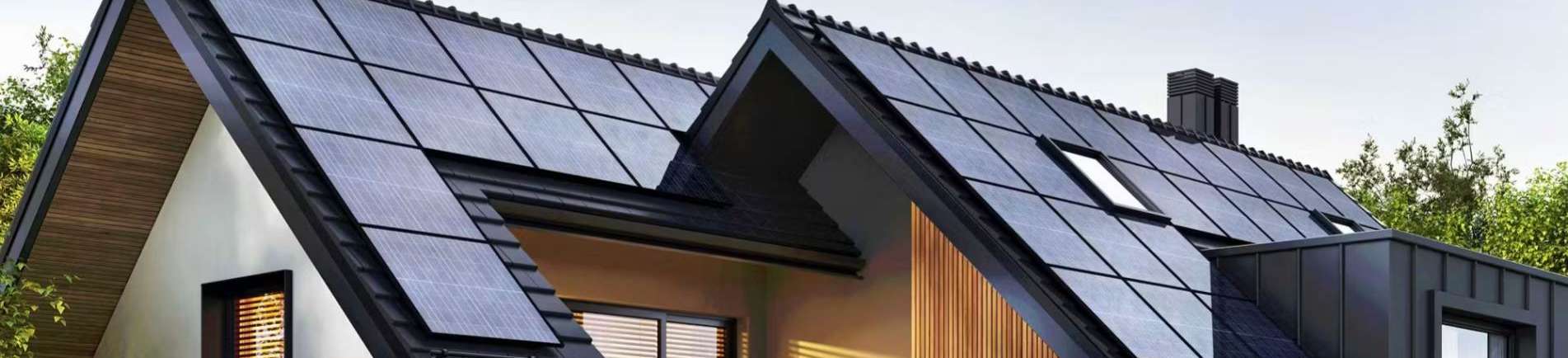
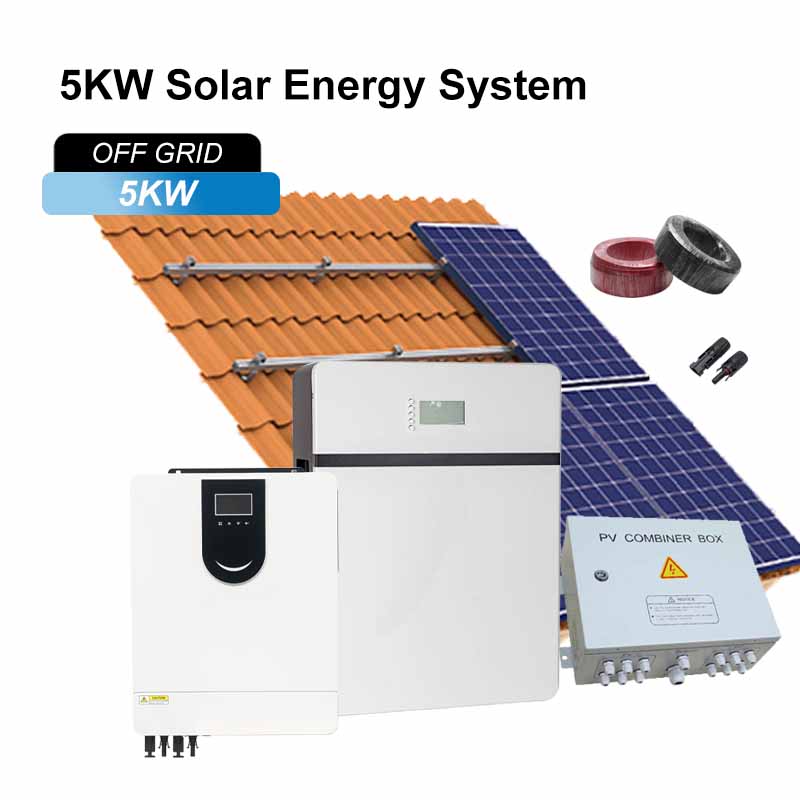
Most of Thailand has a meter, and that is the first thing to get straight about an off-grid system here. It is not a stand-in for a grid that never arrived. It is what you buy when the connection quote for a plot comes back larger than the house, when the line at the end of the soi sags to 190 V every evening in April, or when the load is an orchard pump or a farm shed that no one will extend a line to at a sensible price. The hardware is the same in all three cases: a 6.2 kW inverter, one 5.12 kWh wall battery and twelve 550 W modules.
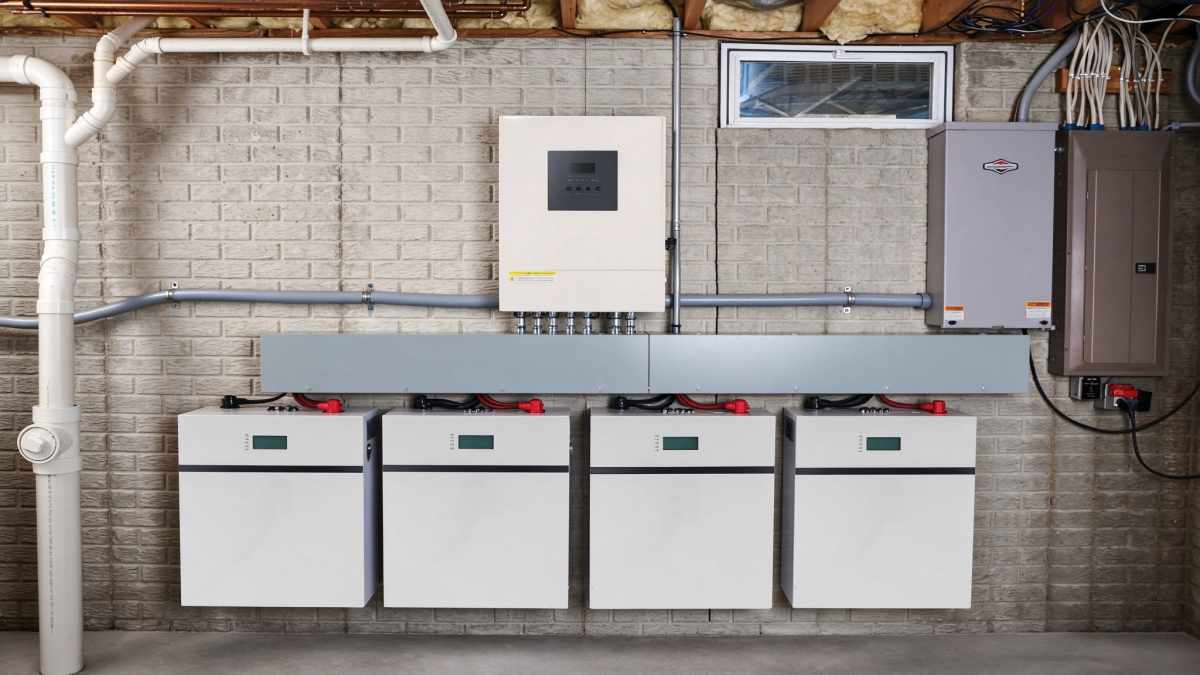
The build below is what a Thai house without a serviceable connection actually needs: enough array to carry the daytime load and refill the pack before the afternoon storm, and a pack sized for the evening rather than for the whole day.
| Item | Specification |
|---|---|
| System Type | Off-grid solar with lithium battery storage |
| Inverter | GM-LW602, 6,200 W rated, 12,400 W surge, 230 V |
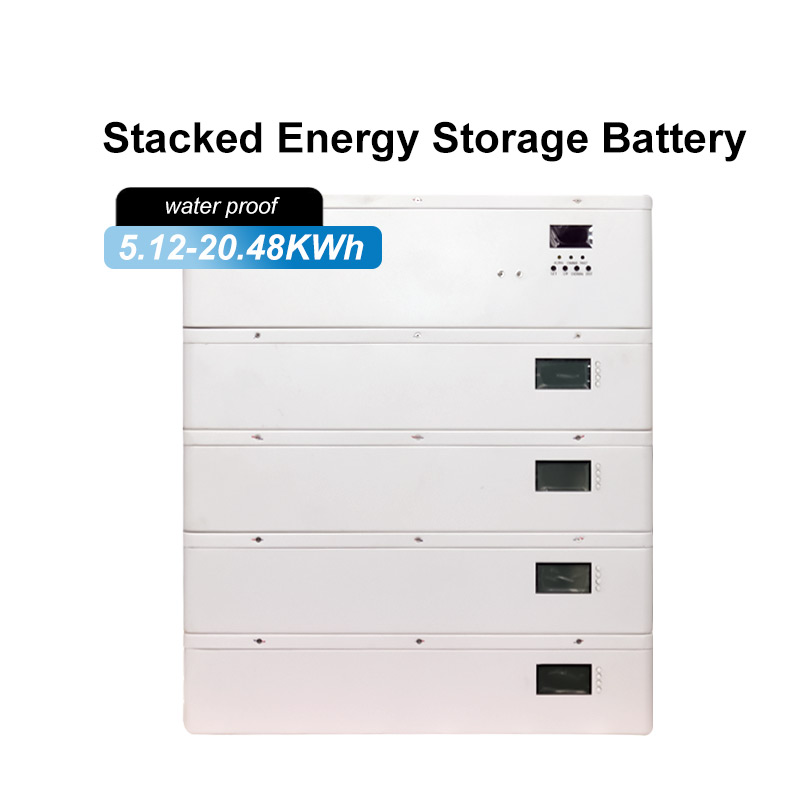
| Battery | GM-ESS-B100S16, 5.12 kWh, 51.2 V, up to 8 in parallel (40.96 kWh) |
| Solar Array | 12 × LONGi LR5-72HBD-550M, 550 W each, 6,600 Wp, two strings of six |
| PV Input | 6,500 W ceiling, MPPT 60–450 V, 27 A maximum |
| Charge Rate | 120 A from PV, 100 A from AC, at 48 V |
| Usable Energy | 4.6 kWh at 90% depth of discharge |
| Application | Residential and small agricultural, off-grid |
The array is 100 W over the inverter’s stated PV ceiling of 6,500 W. That is not a mistake, and it is not the interesting part of the design: a 6,600 Wp array never delivers 6,600 W at its terminals, because module temperature in Thai sun runs 25–30 °C above the test condition and the loss from that alone exceeds 100 W. What actually constrains the array is the 27 A input current limit, and twelve modules sit just under it.
The panels are LONGi Hi-MO 5 bifacial double-glass units at 550 W, 2,278 × 1,134 mm and 21.3% module efficiency. Twelve of them make 6,600 Wp across roughly 31 sq m of glass, and on a roof that needs walkways and a service margin the practical footprint is 45–55 sq m.
Thailand yields between 1,330 and 1,560 kWh per installed kWp per year, depending on province, at a performance ratio near 0.80. On 6.6 kWp that works out to 8,800–10,300 kWh a year, or 24–28 kWh a day averaged across all seasons. A house without air conditioning uses 4–6 kWh a day, so the array is three to five times the household need. That surplus is the point: it runs the air conditioner through the afternoon and still has the pack full by evening, and it keeps doing that on a day when the sky is the colour of wet concrete.
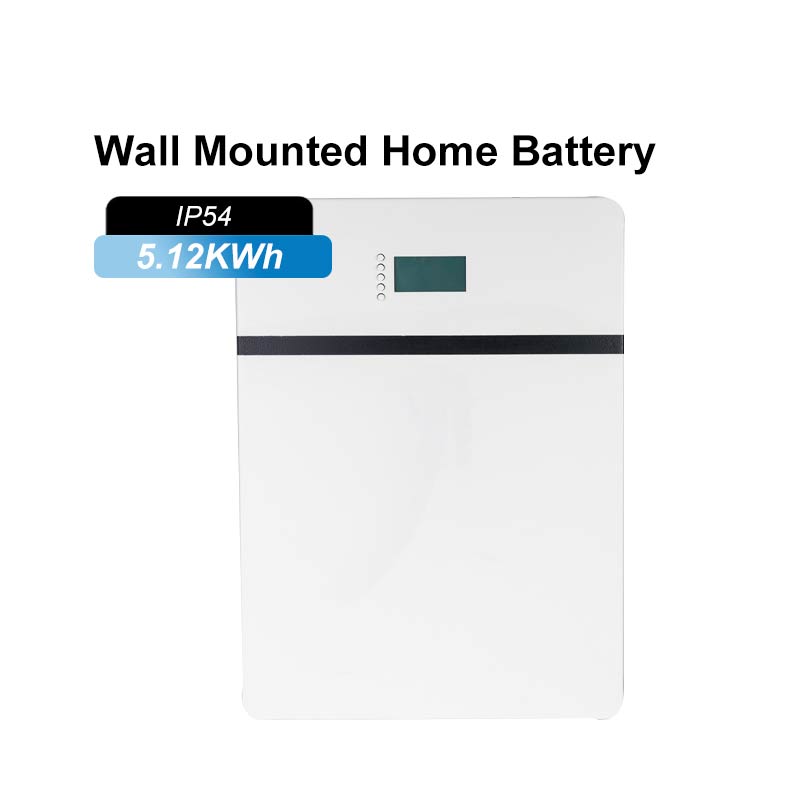
The GM-ESS-B100S16 is a 51.2 V LFP pack rated 100 Ah and 5.12 kWh, weighing 41 kg in a 550 × 360 × 163 mm case at IP54. Up to eight can be paralleled for 40.96 kWh, which matters because the honest limitation of this system is that one pack is an evening’s worth of power, not a day’s.
Its continuous rating is 0.5C, or 50 A, and its pulse rating is 1C for 100 A. Translated into what a house feels: 2.56 kW continuous and 5.12 kW for short bursts. The operating window runs from 40 V to 58.4 V, charging between 0 °C and 55 °C and discharging between −20 °C and 60 °C. Thailand never tests the cold end of that range; the top end is the one to watch, and it is covered later.
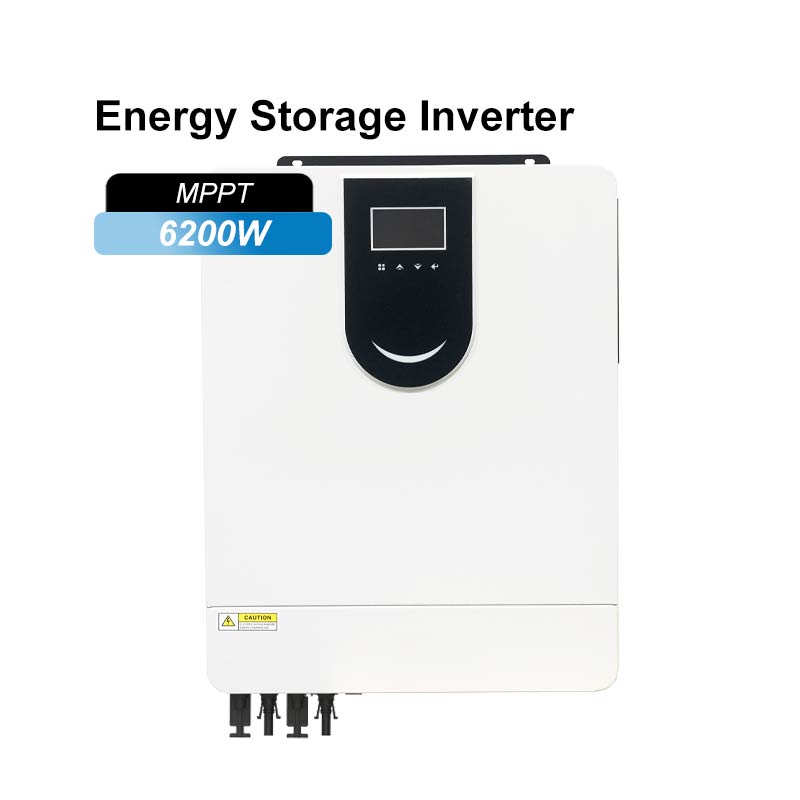
The GM-LW602 is a 6,200 W single-phase hybrid inverter with a 12,400 W surge, which is what lets a half-horsepower pump or a refrigerator compressor start without the lights dipping. Output is 230 V ±5% within a 195–253 V window, pure sine, power factor above 0.99, peak efficiency 98%.
Its AC input is the part most off-grid pages skip. The unit accepts 90–280 V on the appliance setting and 170–280 V in UPS mode, at up to 40 A, and can charge the battery from that input at 100 A. A generator, or a weak and wandering grid, becomes a charging source rather than something the system has to replace. The machine weighs 9.8 kg in a 440 × 355 × 115 mm case, has no isolation transformer, and is rated to 50 °C ambient and 2,000 m altitude. See how a low-frequency inverter differs if you are weighing transformer-based designs for a farm or workshop load.
The number that decides what the house can run at night is not the inverter’s 6,200 W. It is the battery’s 50 A continuous discharge. At 51.2 V that is 2.56 kW, so a 3 kW night load is outside the reach of a single pack no matter what the inverter label says. Two packs in parallel raise the ceiling to 5.12 kW.
Within that ceiling, the runtime from 4.6 kWh of usable energy falls off quickly:
| Night Load | Runtime from 4.6 kWh |
|---|---|
| 400 W — lights, fans, TV, router | 11.5 hours |
| 600 W — the above plus a refrigerator cycling | 7.7 hours |
| 800 W — plus a water pump | 5.8 hours |
| 1,200 W — one 12,000 BTU inverter air conditioner | 3.8 hours |
| 2,000 W — air conditioner plus household base load | 2.3 hours |
Against what a Thai house actually draws:
| Load Group | Daily kWh | Notes |
|---|---|---|
| Lighting, fans, TV, router, phone charging | 1.5–2.5 | LED throughout, concentrated in the evening |
| Refrigerator, 10 cu ft inverter model | 1.2–1.8 | Runs around the clock, compressor cycles |
| Water pump, 0.5 hp | 0.5–1.5 | One to two hours a day |
| 12,000 BTU inverter air conditioner, 10 h overnight | 8–10 | Usually the largest single line in the house |
| 18,000 BTU air conditioner, 8 h | 12–16 | Two of these put the house past 20 kWh a day |
A house without air conditioning lands at 4–6 kWh a day, and one pack covers that comfortably. A house that runs a 12,000 BTU unit all night needs 8–10 kWh after sunset, which is two packs. That is the honest dividing line, and it is worth saying to a customer before they sign rather than after the first hot night.
Two reference builds sit either side of this one: the Philippines off-grid project runs 15 kW with 15 kWh, and the Nigeria installation pairs 5 kW with 5 kWh. Same one-to-one ratio between inverter and bank, three different sizes.
The 0.5C continuous rating is a deliberate choice rather than a cost compromise: a pack run at half its capacity lasts far longer than one asked for 1C every evening, and the 5,000-cycle class of LFP chemistry only holds up if the average discharge stays modest.
Two independent limits in the inverter datasheet fix the array size, and both of them bind at twelve modules.
The first is current. The MPPT accepts 27 A, and a 550 W module delivers about 13.2 A at maximum power. Two strings come to 26.4 A, which fits. A third string would put 39.6 A into a 27 A tracker, and no amount of clever wiring fixes that. So the array is two strings, full stop.
The second is power. With two strings fixed, the 6,500 W PV ceiling sets the string length at six modules: 2 × 6 × 550 = 6,600 Wp. Seven per string would be 7,700 Wp, eighteen percent over the ceiling, and the tracker would spend the middle of every clear day working away from the maximum power point to protect itself.
Voltage is not a constraint here. Six modules in series give 297 V open-circuit at standard test conditions, rising to about 305 V at the coldest morning this climate produces, against a 450 V ceiling. At maximum power the string sits near 251 V, well above the 60 V start-up threshold and comfortably inside the 60–450 V tracking window. If you want the reasoning behind the 48 V battery platform on the other side of the same machine, this comparison of 48 V and 512 V systems covers it.
One tracker means both strings must face the same direction, so the roof needs a single usable plane. Tilt of 10–15° toward the south is enough, because Bangkok’s daily yield moves only from about 5.0 kWh per kWp in the September–November rains to 6.05 in March–May. A 17% seasonal spread does not justify adjustable racking.
Thailand’s electrification rate is 99.9%, and rural access is effectively universal. Anyone selling an off-grid system here as a solution to a missing grid is selling to a problem that does not exist. The real cases are narrower.
A plot beyond the nearest transformer, an orchard pump, a farm shed, or a house on a long low-voltage run where the voltage collapses in the evening and the air conditioner drops out on undervoltage rather than outage.
That third case is why the inverter’s 90–280 V input window matters more than its 6.2 kW rating. The machine can sit alongside a weak line instead of replacing it: charge the pack from the grid overnight when voltage is steady, run the house from solar and battery through the evening peak, and let the grid be a fallback. Plenty of installations that start out described as off-grid end up wired that way, and it is the most economical arrangement when a connection exists but is poor. Weak-grid regions have been the fastest-growing market for exactly this configuration.
What a unit is worth depends on where the house sits in the tariff. The Energy Regulatory Commission set the household rate at 3.89 baht per unit for September–December 2026, excluding VAT, with the first 200 units at 3.00 baht, units 201–400 at 4.15 and anything above 400 at 4.35. Because the blocks are progressive, the value of a solar unit is not one number:
| Units Supplied per Month | Annual kWh | At 3.00 THB | At 4.15 THB | At 4.35 THB |
|---|---|---|---|---|
| 150 | 1,800 | 5,400 | 7,470 | 7,830 |
| 300 | 3,600 | 10,800 | 14,940 | 15,660 |
| 450 | 5,400 | 16,200 | 22,410 | 23,490 |
A house that used 500 units a month before solar is displacing units at 4.15 and 4.35 baht, not at the headline 3.89. That is the column to quote when a customer asks what the system is worth, and it is also why the economics improve the more air conditioning the house runs.
Thailand offers two household solar incentives and an off-grid system qualifies for neither. Worth stating plainly, because a buyer comparing quotes will otherwise assume the discount applies.
The first is a personal income tax deduction of up to 200,000 baht on equipment and installation, under Royal Decree No. 805 of 2026. Purchases must fall between 3 March 2026 and 31 December 2028, the system must be no larger than 10 kWp, a full e-Tax Invoice is required, and the installation must be connected to the MEA or PEA grid. One system per taxpayer.
The second is a 50,000 baht direct subsidy under the People’s Solar Power programme, approved by Cabinet on 27 October 2026, budgeted at 50 billion baht for one million households. Systems must be 5–10 kW, installed by a contractor registered with PEA or MEA, registered by 31 January 2027 and connected to the grid by 30 September 2027. The two schemes cannot be combined.
A 6.2 kW system sits squarely inside the 5–10 kW band the subsidy targets, which makes the exclusion sharper rather than softer. The condition is a grid connection in both cases, and an off-grid house by definition does not have one.
The comparison a customer should run is this: a grid-tied 6 kW system net of the 50,000 baht, against an off-grid system at full price. Where a connection exists and is reliable, the grid-tied route wins on cost per kWh every time, and no honest supplier should pretend otherwise. Where the connection does not exist, or costs more than the array, the subsidy is irrelevant and the off-grid quote stands on its own.
Two ratings decide whether this system lasts in Thailand, and neither is about power.
The inverter is rated to 50 °C ambient. A carport soffit or an unvented utility room reaches 45 °C by early afternoon in April, and a machine bolted inside a closed cabinet there will derate or trip. Mount it on a shaded wall with air moving past it, not in a box. The battery is naturally cooled and sealed to IP54, which handles the rain and the humidity, but a pack on a west-facing wall in direct sun will sit near the top of its 0–55 °C charging window for hours. Shade the pack before adding capacity to it.
The rainy season is the other half. Bangkok’s daily yield averages about 5.02 kWh per kWp through September–November against 6.05 in March–May, a swing of only 17%. That small a spread is why fixed tilt works and why the seasonal average is not the risk. The risk is consecutive days. A heavy-rain day produces roughly a quarter of a clear day, which is still enough to run the house through daylight but not enough to also refill the pack. Two of those in a row and the second night is short.
Humidity is handled by the enclosure ratings; salt air on the coast is not. Within a few kilometres of the Gulf or the Andaman, mounting hardware and DC connectors need specifying for it, and the array wants a rinse every few months. Battery safety in a hot climate is mostly a question of where the pack is placed, not what is inside it.
Site requirements, in the order they tend to cause problems:
| Item | Requirement |
|---|---|
| Mounting surface | Shaded wall or ventilated plant room; ambient must stay under 50 °C in April |
| Battery location | Indoors or under cover, out of direct sun, within 2 m of the inverter on the DC side |
| Ventilation | Clear space above and below the inverter; never inside a sealed cabinet |
| Earthing | Separate earth electrode for the AC side, bonded per local practice |
| DC cabling | Two string runs to a single tracker; keep both strings the same length |
| Roof load | 31 sq m of module at roughly 13 kg/sq m, plus rail and ballast |
In daylight, yes — the array produces 24–28 kWh a day on average and the inverter passes up to 6.2 kW to the load, which covers one or two units running through the afternoon. At night, one pack gives about 3.8 hours on a single 12,000 BTU inverter unit and 2.3 hours if the household base load runs alongside it. For a full night of air conditioning, two packs are the realistic minimum.
Not to this inverter. The 27 A input current limit and the 6,500 W PV ceiling are both fully used at twelve modules, so there is no headroom for a thirteenth. Expansion means a second inverter or a larger model in the same GM-LW range, which goes up to 10,200 W. Adding batteries is different: the pack parallels up to eight units for 40.96 kWh without changing anything on the DC bus.
About 17% on the monthly average, from roughly 6.05 kWh per kWp per day in March–May to 5.02 in September–November in Bangkok. On a 6.6 kWp array that is a drop from about 40 kWh to 33 kWh a day. Single heavy-rain days fall much further, to roughly a quarter of a clear day, which is why the array is sized well above the household’s average consumption rather than exactly at it.
No. The 50,000 baht People’s Solar Power subsidy and the 200,000 baht personal income tax deduction both require the system to be connected to the MEA or PEA grid. An off-grid installation has no connection, so neither applies. The two schemes also cannot be combined with each other, and the subsidy requires a contractor registered with the relevant authority.
The inverter and the lithium battery carry a three-year warranty from GreenMore. The LONGi modules carry LONGi’s own product warranty and its long-term power warranty, handled through the module manufacturer rather than through us. Consumables and mounting hardware are covered by their respective suppliers.
Planning an off-grid or weak-grid installation in Thailand? Tell us the daily load in kWh, the roof area and the province, and we will size the array and the bank against the local yield rather than the national average. Contact our sales team →
Stay up to date with GreenMore. We share new BIPV solar tile releases, product and certification updates, and field notes from our projects — no fluff, just the things that matter to installers, distributors, and system integrators. If there's something you'd like to see covered, drop us a line — we read every reply.




Copyright @ 2026 GreenMore All Rights Reserved.  Network Supported
Sitemap / Blog / Xml / Privacy Policy