GreenMore Three-Curve Solar Tiles | Thin-Film, BC & TOPCon BIPV Roofing Solutions
Mar 25, 2026
L
Luke
Product Manager, GreenMore · Photovoltaic building materials
As global demand for Building-Integrated Photovoltaics (BIPV) continues to rise, more homeowners, architects, and developers are choosing solar roofing tiles to combine clean energy generation with architectural aesthetics. GreenMore, a professional photovoltaic tile manufacturer, offers two advanced types of three-curve solar tiles designed for different roof structures and performance requirements:
CIGS Thin-Film Three-Curve Solar Tiles
BC (Back Contact) Three-Curve Solar Tiles
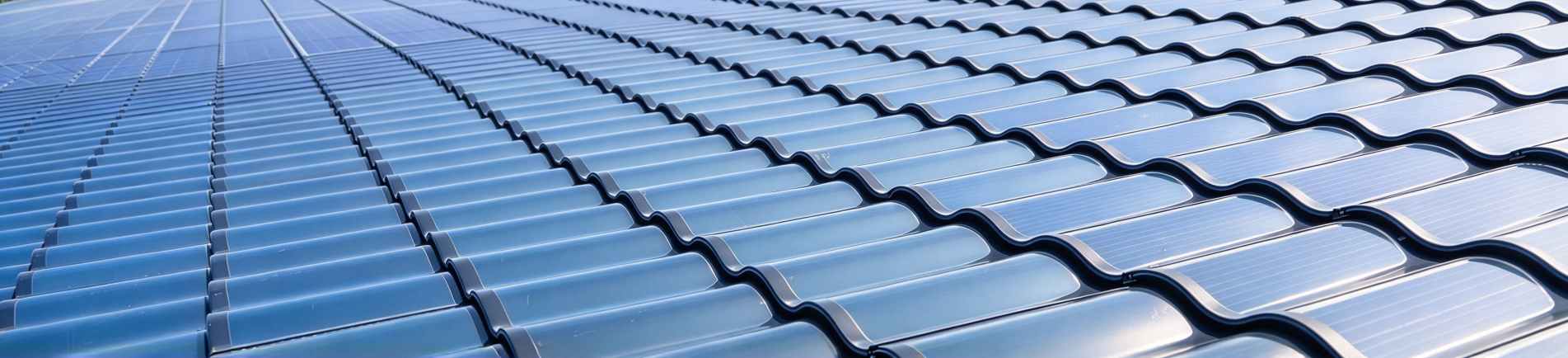
The image below shows GreenMore's two solar tile technologies side by side, highlighting their structural differences and design characteristics. This article explains each technology and helps customers choose the best solution for their project.
Comparison of GreenMore solar tile BC, thin film, and TOPCon battery technologies
1. Thin-Film Three-Curve Solar Tiles: Lightweight, Flexible, and Highly Aesthetic
Key Features
Ultra-uniform dark appearance — no visible cell grid lines
Lightweight and flexible structure (~6.5 kg per tile, 720 × 500 mm)
CIGS thin-film technology: ~100–105 W/㎡ power density
Excellent weak-light performance — maintains output on cloudy or overcast days
Flexible substrate allows natural conformity to curved roof profiles
GreenMore's thin-film three-curve solar tiles use advanced CIGS technology. Their flexibility allows the tiles to naturally follow the three-curve roofing shape, making them ideal for villas, cultural buildings, and projects where aesthetic consistency is essential.
Best Applications
Lightweight roof structures
Renovation projects where weight is a constraint
Curved or artistic roof designs
Regions with frequent cloudy or low-light conditions
2. BC Three-Curve Solar Tiles: High Efficiency with a Clean, Modern Look
Key Features
Back-contact cell design with no front busbars — clean, uninterrupted surface
High conversion efficiency — up to 24.1% module efficiency
Premium deep-black appearance with no visible grid lines
Strong mechanical strength (5400 Pa load bearing)
Higher power density per tile (37–50 W per tile) — maximizes roof power output
BC (Back Contact) technology places all electrical contacts on the back of the cell, eliminating visible grid lines. This gives GreenMore's BC solar tiles a clean, modern, and high-end appearance, while delivering strong energy output. GreenMore's BC line was introduced in 2025 and represents the latest advancement in our three-curve tile portfolio.
Best Applications
High-end residential roofs
Commercial BIPV projects requiring premium aesthetics
New buildings with strong roof structures
Projects prioritizing maximum power generation per square meter
3. Technology Comparison: Thin-Film vs. BC
Feature
CIGS Thin-Film Tiles
BC Three-Curve Tiles
Cell Technology
CIGS thin-film
Back-contact crystalline
Module Efficiency
~100–105 W/㎡
Up to 24.1%
Power per Tile
32–34 W
37 / 42 / 50 W
Appearance
Ultra-uniform dark
Premium, no grid lines
Weight
~6.5 kg (720×500mm)
~6.5 kg (720×500mm)
Flexibility
Excellent — conforms to curves
Rigid — flat or gentle curves only
Weak-light Performance
Excellent
Good
High-temperature Performance
Very good
Excellent
Load Bearing
5400 Pa
5400 Pa
Ideal Application
Curved roofs, lightweight structures, renovation
High-end homes, commercial, maximum power density
4. Why Choose GreenMore Three-Curve Solar Tiles
As a photovoltaic tile manufacturer, GreenMore provides the complete BIPV solution — not just the tiles, but the full system integration:
Self-produced core products: Three-curve solar tiles, photovoltaic bricks, and photovoltaic curtain walls are manufactured in-house, available in both CIGS thin-film and BC back-contact technologies.
Supporting system components: Inverters, mounting systems, and energy storage systems are sourced as part of the complete BIPV roof system offering.
Engineering support: Technical guidance for residential, commercial, and industrial projects — from roof assessment to system commissioning.
Quality assurance: 25-year linear power warranty on all solar tiles.
Customizable solutions: Adaptable to different roof types, architectural styles, and regional requirements.
5. Frequently Asked Questions
What is a three-curve solar tile and why is it used in BIPV roofing?
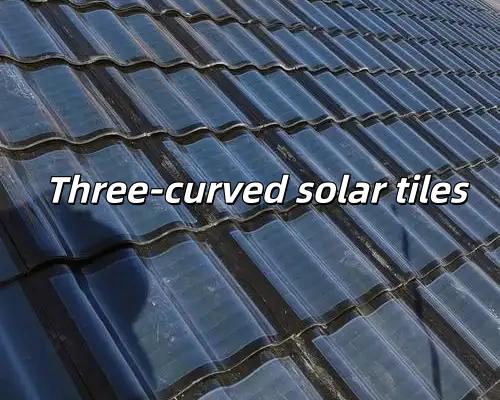
A three-curve solar tile is a photovoltaic module designed to match the curved profile of traditional roofing tiles. Its structure improves waterproofing, wind resistance, and architectural integration. GreenMore's three-curve tiles combine solar power generation with roofing functionality, making them a true BIPV solution.
What is the main difference between CIGS thin-film and BC three-curve solar tiles?
CIGS thin-film tiles are lightweight, flexible, and excel in weak-light conditions — ideal for curved roofs and renovation projects. BC tiles offer higher efficiency (up to 24.1%), a premium deep-black appearance, and stronger power density — best for high-end residential and commercial roofs where maximum energy output matters.
Which type provides the highest power generation?
GreenMore's BC three-curve solar tiles deliver the highest power output per tile (up to 50 W) thanks to back-contact cell technology and high module efficiency. CIGS thin-film tiles prioritize aesthetics and flexibility over peak power output.
Are three-curve solar tiles suitable for curved or complex roof structures?
Yes — especially CIGS thin-film tiles, which are flexible enough to conform to curved roof profiles. BC tiles are rigid crystalline modules and are best used on standard curved roofs with stable structural support.
How do the two types perform in weak-light or cloudy conditions?
CIGS thin-film tiles have the best weak-light performance due to their thin-film characteristics, maintaining relatively stable output even on overcast days. BC tiles also perform well in diffused light conditions, though their advantage is more pronounced in direct sunlight.
What is the warranty and expected lifespan of GreenMore's three-curve solar tiles?
All GreenMore three-curve solar tiles carry a 25-year linear power warranty. The laminated tempered glass construction is engineered for long-term durability and weather resistance.
Can three-curve solar tiles replace traditional roofing materials?
Yes. GreenMore's three-curve solar tiles function as both roofing material and power generator. They provide waterproofing, structural strength (5400 Pa load bearing), and energy production — a complete BIPV roofing solution.
How do I choose the right type of three-curve solar tile for my project?
Choose CIGS Thin-Film if your priority is aesthetics on curved roofs, lightweight design, or performance in cloudy regions.
Choose BC if you want maximum power generation, high efficiency, and a premium uniform appearance.
GreenMore's engineering team can provide customized recommendations based on roof structure, climate, and energy requirements. Reach out via our contact page or email export@gmsolarkit.com.
6. Get Started with GreenMore
Whether your project focuses on aesthetics, efficiency, or long-term performance, GreenMore offers a three-curve solar tile solution tailored to your needs. Our three-curve tiles, photovoltaic bricks, and photovoltaic curtain walls are produced in-house using CIGS thin-film and BC back-contact technologies, with inverters and energy storage systems available as supporting components of the complete system.
Ready to start your BIPV project? Visit our BIPV solutions page or contact us to discuss your requirements.
L
Luke · Product Manager, GreenMore
Luke manages GreenMore's photovoltaic building-material range, from the CIGS thin-film triple-arch tile to the newer back-contact line. In the solar industry since 2017, he focuses on designs that are genuinely buildable, with honest specs and warranty terms that match the products actually shipped.





 Network Supported

