How businesses use cheap electricity?
May 05, 2025
P
Peter Lu
Energy Storage Product Manager, GreenMore
Businesses do not pay one price for electricity. Prices vary by hour, by source and by grid conditions, which means the same kilowatt-hour can be cheap at one moment and expensive at another. Companies that treat electricity as a time-sensitive resource — shifting load, generating their own and storing low-cost energy for later — can materially reduce what they spend on power.
Where cheap electricity comes from
There are four practical sources of below-average-cost electricity available to industrial and commercial users:
Source
Why it is cheap
Off-peak grid power under time-of-use tariffs
Wholesale prices fall at night and on weekends when demand and grid strain are low
Self-generated solar power
Rooftop PV cost per kWh is fixed at installation and is often well below the retail tariff it replaces
Demand response compensation
Grid operators pay customers for reducing or shifting load when the system is stressed — it is payment for flexibility, not a lower unit price
Green power contracts
Long-term power purchase agreements or green tariffs can lock in a fixed, competitive wind or solar price
The common problem is timing. Cheap night power is available when most factories use little energy; solar is generated at midday when a building may already be away or lightly loaded; expensive peaks arrive in the early evening when production is running. Storage is what closes that gap — it lets a business buy or generate energy at one time and consume it at another.
Strategy 1: Time-of-use arbitrage
In markets with peak-valley pricing, a battery system charges during the lowest-priced hours and discharges during the highest-priced hours. Every cycle captures the difference:
Gross margin per cycle ≈ discharged kWh × peak price − charged kWh × off-peak price
Net margin is lower: round-trip efficiency losses (typically 85–90% reach the loads), battery degradation per cycle and operating costs must all come out of the spread.
Arbitrage only works where the peak-off-peak spread is wide enough to clear those costs and the tariff structure is reasonably stable. Some markets offer two cycles per day, which changes the economics considerably; confirm the actual tariff schedule with the utility or a local energy adviser before sizing a system.
Strategy 2: Solar plus storage
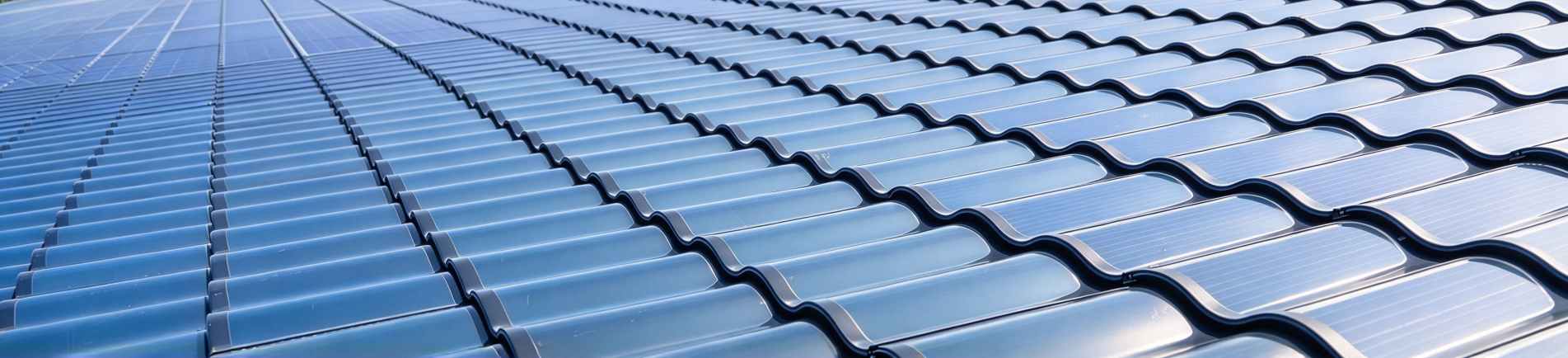
Rooftop or carport PV generates low-cost electricity during the day. Without storage, excess output is exported, often at a feed-in price well below the retail rate. Adding a battery lets a facility store that surplus and use it later, raising the share of solar energy consumed on site at full retail value.
Solar-heavy daytime loads: direct self-consumption may already be high, and a smaller battery covers the shoulder periods.
Operations that run into the evening: storage carries the building through the post-sunset peak instead of importing at the highest tariff.
Weekend shutdowns: batteries can capture weekend generation that would otherwise be exported cheaply.
The combination also hedges against future tariff increases: once installed, solar and storage costs are largely fixed while grid prices can move.
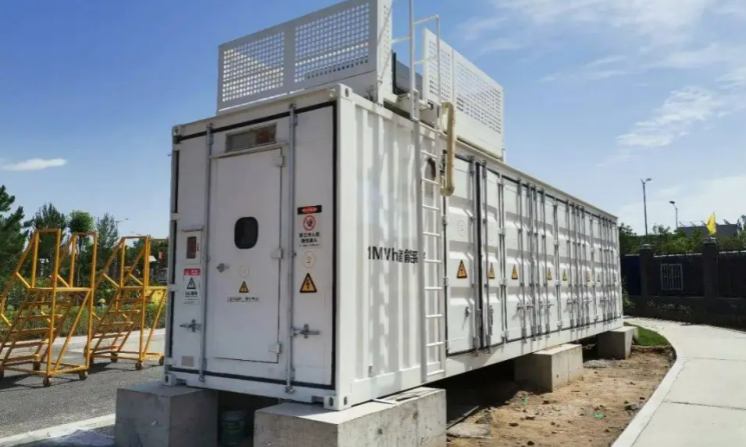
Large-scale industrial and commercial containerized energy storage power station
Strategy 3: Demand response
Demand response programs pay large users to reduce consumption when the grid is stressed. A business can meet its obligation by switching to stored energy instead of curtailing production — the facility keeps running while the site draws less from the grid. Batteries respond within seconds, which makes them well suited to fast-acting programs that pay more for immediate availability.
Programs differ by market; check enrollment requirements, event frequency and minimum load reduction before committing.
Strategy 4: Green power contracts plus storage
Long-term wind and solar purchase agreements can provide a fixed, predictable energy price and help meet ESG or reporting requirements. Storage makes that contracted energy usable around the facility's own schedule rather than the generator's, and can store contracted volumes during low-price periods for peak use. Green power is not automatically the cheapest option in every market, so compare contract prices against expected grid tariffs over the full term.
How businesses put this in place
Collect interval data. Pull at least 12 months of 15- or 30-minute load data, including demand peaks, not just monthly kWh totals.
Map costs to hours. Overlay the current tariff schedule — energy charges, demand charges and time-of-use windows — to identify where savings actually sit.
Model each strategy. Run arbitrage, solar self-consumption and demand response scenarios against the load data, including efficiency losses and degradation.
Size power and capacity separately. kW determines which peaks and loads can be covered; kWh determines how long.
Confirm site and grid requirements. Transformer capacity, interconnection rules, permits and safety codes must be resolved before equipment is ordered.
Review dispatch performance. After commissioning, compare actual cycles and savings against the model and adjust schedules seasonally.
A useful principle: do not size storage for a single revenue stream. Systems that combine arbitrage, self-consumption and occasional demand response are generally more resilient to tariff changes than systems built on one strategy alone.
Hardware options range from air-cooled outdoor cabinets for smaller sites to container-scale systems; the full lineup is on the commercial energy storage category page. Before ordering, work through the C&I pre-installation checklist, and for cabinet details see the article on outdoor energy storage cabinets. For a tariff and sizing review, use the contact page.
FAQ
Is peak-valley arbitrage profitable everywhere?
No. It depends on the spread between peak and off-peak prices, the number of cycles per day and the stability of the tariff. A wide, predictable spread tends to support storage; a flat or frequently changing tariff may not. Model it against the local utility schedule rather than assuming it works.
Does my business need solar to benefit from storage?
Not necessarily. Storage can stand alone on time-of-use arbitrage and demand response where those markets pay well. Solar adds a low-cost charging source and an extra revenue stream, and the two together are common, but either can be viable on its own depending on local conditions.
How do demand response payments differ from cheaper electricity?
Cheaper electricity lowers the price per kWh you buy. Demand response pays you for reducing or shifting load during specific grid events — it is revenue for flexibility. Using a battery to serve your load during an event lets you earn that payment without cutting production.
What size storage does a typical commercial site need?
It follows the load curve, not the building's size. Smaller facilities may start with a 50–100 kWh outdoor cabinet; factories with clear daily peaks often look at several hundred kWh or a container system. The right answer comes from interval load data and the tariff analysis, so those should precede any quote.
P
Written by Peter Lu — Energy Storage Product Manager, GreenMore
Peter works with businesses and project partners to match interval load data and tariff structures with storage capacity, from outdoor cabinets to container systems, and is cautious about quoting savings without the underlying numbers.





 Network Supported

