
Welcome to GM Tech
Welcome to GM Tech
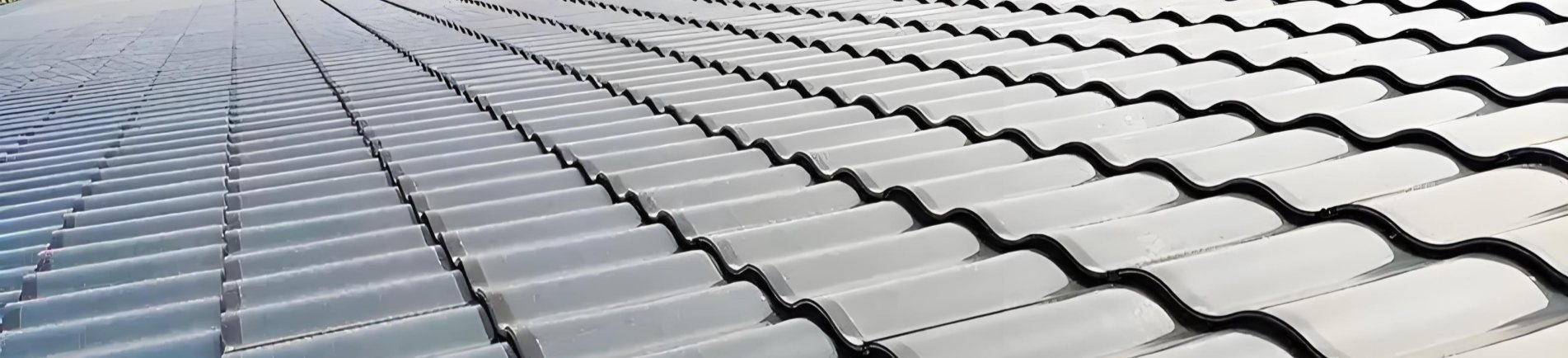
As more households and businesses look for long‑term energy independence, solar roof tiles are becoming a realistic alternative to traditional photovoltaic panels. They are not only a power‑generation component but also part of the building itself. For a company like GreenMore, which focuses on residential energy storage systems, commercial energy storage systems, solar power systems, solar tiles, and BIPV solutions, installation quality is just as important as product performance. A well‑designed system starts on the roof, long before the first kilowatt‑hour is produced.
This article summarizes the full installation process of solar roof tiles from a manufacturer’s perspective. It is written for homeowners, installers, and project developers who want a clear understanding of how a solar roof tile system is planned, installed, and integrated with an energy storage system.
Why Solar Roof Tiles Are Gaining Attention
Solar roof tiles are often compared with conventional solar panels, but the two products serve different purposes. Tiles are designed to merge with the building envelope, which makes them suitable for projects where appearance matters as much as performance. Many high‑quality tiles use reinforced glass and integrated PV cells, giving them a lifespan of 30–50 years, longer than many standard modules.
Global data also supports the shift toward building‑integrated solar. According to the International Energy Agency (IEA), rooftop solar installations grew by more than 50% between 2020 and 2023. This trend is especially strong in regions where BIPV systems are preferred for architectural integration.
While the upfront cost is higher, the long‑term energy yield can be competitive when the system is designed correctly. For homeowners who want a clean roofline or for commercial buildings with strict architectural requirements, solar roof tiles offer a practical balance between aesthetics and energy production.
Step 1: Roof Assessment and System Planning
Every successful installation begins with a detailed evaluation of the roof. In practice, this step determines how much energy the system can produce and whether the structure can support the tiles.
Structural inspection
Orientation and tilt
Shading analysis
Energy demand review
These early decisions shape the final system size, inverter configuration, and whether an energy storage system will be part of the setup.
To put this into context, NREL reports that roof orientation and shading can influence annual solar output by up to 25%, making the planning stage one of the most critical parts of the entire project.
If you want to explore system sizing options, you can refer to GreenMore’s solar power system overview.
Step 2: Installation of Solar Roof Tiles
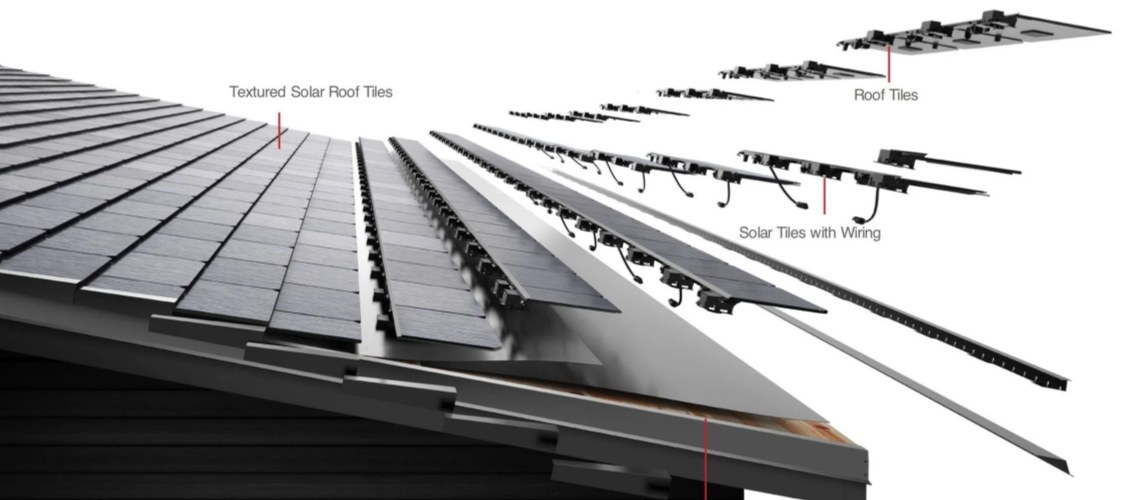
Installing solar tiles is more detailed than laying standard PV modules. The process usually includes:
Roof preparation and waterproofing
Mounting structure setup
Tile placement and electrical connection
Inverter and energy storage integration
When paired with a LiFePO₄ battery storage system, the home can use solar power during the day and stored energy at night or during outages.
The importance of storage is also reflected in global data. IRENA reports that residential and commercial battery installations have grown at an annual rate of over 35% since 2019.
If your project requires a compatible inverter, GreenMore offers several hybrid inverter solutions.
Step 3: System Testing, Grid Connection, and Handover
Once installation is complete, the system goes through several checks:
Electrical testing
Commissioning and monitoring setup
Grid‑connection application
User training
A well‑installed system should operate quietly in the background, providing stable power and clear data through the monitoring platform.
Technical Recommendations for Different Roof Types
Different roof structures require different installation methods, cable specifications, and inverter configurations. The table below summarizes the recommended parameters based on GreenMore’s engineering data.
Technical Parameters for Solar Roof Tile Installation
| Parameter | Metal Roof (Commercial) | Concrete Roof (Flat Roof) | Tile/Sloped Roof (Residential) |
| Recommended Installation Method | Clamp‑based (no drilling) | Ballast / counterweight | Hook‑based / penetration |
| Optimal Tilt Angle | 5°–10° | 15°–30° | Follow slope or tilt brackets |
| Suggested Module Power | 550W+ | 450W–550W | 400W–450W |
| Cable Specification | YJV 4×70 + 1×35 | YJV 5×6 mm² | PV1‑F 4 mm² |
| Inverter Configuration | 10kW–50kW string inverter | 5kW–10kW hybrid inverter | 3kW–6kW single/three‑phase |
| Estimated Annual Yield | 1100–1300 kWh/kW | 1000–1200 kWh/kW | 950–1150 kWh/kW |
Commercial users can explore GreenMore’s industrial solar and storage solutions for large‑scale applications, while homeowners may prefer our residential solar systems.
Common Questions from Homeowners and Installers
Do solar tiles work on cloudy days?
Yes. Output decreases, but modern PV cells still generate power from diffused light. Pairing the system with backup power solutions ensures stable supply.
How long does installation take?
A typical residential project takes 3–5 days.
Are solar tiles suitable for commercial buildings?
They can be. For large factory roofs, combining solar tiles with commercial energy storage can significantly reduce peak electricity costs.
Do solar roof tiles require more maintenance than traditional solar panels?
Not really. Most solar roof tiles are designed to function as both roofing material and power‑generating components, so routine cleaning and occasional inspections are usually enough.
How long do solar roof tiles typically last?
High‑quality solar roof tiles can last 30–50 years, depending on materials and installation quality.
Can solar roof tiles be installed on an existing roof?
Yes, but it depends on the roof condition. Older roofs may require partial or full replacement before installation.
Are solar roof tiles compatible with home battery systems?
Yes. Solar roof tiles work with most hybrid inverters and LiFePO₄ home battery systems, allowing homeowners to store excess energy for nighttime use or outages.
How much electricity can a solar roof tile system generate per square meter?
Most systems generate 100–170 watts per square meter, depending on tile type and sunlight conditions.
Do solar roof tiles increase home value?
In many markets, yes. Homes with integrated solar systems often see higher resale value due to lower electricity costs and improved aesthetics.
Are solar roof tiles suitable for cold or snowy climates?
They are. Many tiles use tempered glass and have strong load‑bearing capacity. Snow usually slides off more easily than on traditional roofing materials.
What happens if one tile gets damaged?
Most systems allow individual tiles to be replaced without removing the entire array. Installers can disconnect and swap the damaged tile while keeping the rest of the system operational.
Can solar roof tiles work during a power outage?
Only if paired with a hybrid inverter and battery storage system. Grid‑tied systems without storage shut down automatically during outages.
How long does it take to recover the investment?
Payback periods vary by region, electricity prices, and system size. Many homeowners see returns within 6–12 years, especially with incentives.
Solar roof tiles are only one part of a complete energy system. GreenMore provides the full chain: solar generation, hybrid inverters, residential and commercial energy storage, and intelligent energy management.
If you are planning a solar roof tile project or exploring energy storage solutions, you can reach us through our Contact Us page for project consultation.
Please Read On, Stay Posted, Subscribe, And We Welcome You To Tell Us What You Think. BIPV solar tiles & energy storage — updates for global partners.




Copyright @ 2026 GM Tech All Rights Reserved.  Network Supported
Sitemap / Blog / Xml / Privacy Policy


