other
Home

Blog

Blog

  • Solar Battery Sizing Guide: How to Choose the Right kWh for Your Home or Business
    Solar Battery Sizing Guide: How to Choose the Right kWh for Your Home or Business Mar 27, 2026
    Solar batteries have become a core part of modern energy systems, enabling homeowners and businesses to store excess solar power, reduce electricity bills, and maintain backup power during outages. Yet one question appears more often than any other: How big should my solar battery be? From GreenMore’s perspective as a global manufacturer of LFP home battery systems, commercial energy storage systems, and solar + battery system solutions, proper battery sizing is the key to system performance, safety, and long‑term ROI. This guide explains how to choose the right battery capacity based on real‑world energy needs, solar production, and backup requirements. 1. What “Battery Size” Really Means Battery size is measured in kilowatt‑hours (kWh), which represents how much energy the battery can store and deliver. 5–10 kWh → small homes, essential loads 10–20 kWh → typical homes with solar 20–40 kWh → large homes or partial off‑grid 50 kWh+ → small businesses 100 kWh–5 MWh → industrial and containerized BESS solutions GreenMore designs modular systems that scale from 5 kWh residential energy storage to multi‑MWh industrial LFP energy storage for factories and warehouses. 2. How to Calculate the Battery Size You Need Battery sizing depends on three core factors. A. Your Daily Energy Consumption Check your electricity bill for daily kWh usage. Typical ranges: Small apartment: 5–10 kWh/day Medium home: 10–20 kWh/day Large home: 20–40 kWh/day Business: 50–300 kWh/day A modular residential ESS allows you to match capacity to your actual consumption. B. Your Solar System Size Solar panels determine how much energy you can store. 1 kW solar → 3–5 kWh/day 5 kW solar → 15–25 kWh/day 10 kW solar → 30–50 kWh/day If your solar system is small, an oversized battery will not charge fully. A solar energy storage integration approach ensures balance between PV and battery. C. Your Backup Power Requirements Different users have different priorities. Essential Loads Only Refrigerator, lights, Wi‑Fi → 5–10 kWh LFP home battery system Whole‑Home Backup Air‑conditioning, pumps, kitchen appliances → 15–30 kWh residential energy storage Partial Off‑Grid or Rural Homes Frequent outages or weak grid → 20–40 kWh modular residential ESS Commercial Backup Shops, offices, small factories → 50–200 kWh commercial energy storage system Industrial Applications Warehouses, manufacturing, logistics → 1–5 MWh containerized BESS solutions 3. Recommended Battery Sizes for Common Scenarios Scenario 1: Home with 5 kW Solar Daily use: 12–18 kWh Recommended: 10–15 kWh home battery for solar systems Scenario 2: Home with 10 kW Solar Daily use: 20–30 kWh Recommended: 15–25 kWh LFP home battery system Scenario 3: Home with Frequent Outages Daily use: 15–25 kWh Recommended: 20–30 kWh residential energy storage Scenario 4: Small Business Daily use: 50–150 kWh Recommended: 50–200 kWh commercial energy storage system Scenario 5: Factory or Warehouse Daily use: 300–2000 kWh Recommended: 500 kWh–5 MWh industrial LFP energy storage 4. Why LFP Batteries Are Ideal for Solar Storage GreenMore uses LFP (LiFePO₄) chemistry across all residential and commercial systems because it offers: Higher thermal stability Longer cycle life Better performance in hot climates Safer operation for homes and businesses Lower degradation over time This makes LFP the preferred choice for solar + battery system installations worldwide. 5. How GreenMore Helps You Size the Right System GreenMore provides complete solutions across: LFP home battery systems (5–30 kWh) Commercial energy storage systems (50–500 kWh) Containerized BESS solutions (1–5 MWh) Hybrid solar storage solutions for homes and businesses Our engineering team supports installers and distributors with: Load analysis Solar production modeling Backup power planning System configuration and commissioning This ensures your solar energy storage integration is safe, efficient, and cost‑effective. 6. Key Questions to Ask Before Choosing a Battery How much energy do I use per day? How much solar do I have? Do I want essential load backup or whole‑home backup? How long do outages last in my area? Do I plan to expand the system later? A modular residential ESS or commercial energy storage system allows flexible expansion. Conclusion There is no universal “best size” for a solar battery. The ideal capacity depends on your energy usage, solar production, and backup requirements. With the right sizing, a solar + battery system can significantly reduce electricity bills, increase energy independence, and provide reliable backup power. GreenMore’s LFP‑based residential energy storage, commercial energy storage, and containerized BESS solutions are engineered to deliver safe, scalable, and cost‑effective performance for homes and businesses worldwide. contact GreenMore Website: www.gmsolarkit.com Email: luke@gmsolarkit.com WhatsApp: +86-13305192503 FAQ 1. How do I calculate the right solar battery size? Battery size depends on your daily energy consumption, solar system output, and backup requirements. Most homes need 10–20 kWh, while larger homes or off‑grid systems may require 20–40 kWh. 2. What battery size is recommended for a 5 kW solar system? A 5 kW solar system typically pairs well with a 10–15 kWh battery, depending on whether you want essential load backup or whole‑home backup. 3. What battery size is recommended for a 10 kW solar system? Most homes with 10 kW solar choose a 15–25 kWh battery to maximize self‑consumption and reduce electricity bills. 4. What is the best battery chemistry for solar storage? LFP (LiFePO₄) is the preferred chemistry due to its high safety, long cycle life, and excellent performance in hot climates. 5. Can I expand my solar battery capacity later? Yes. GreenMore’s modular LFP systems allow homeowners and businesses to start with a smaller capacity and expand as energy needs grow. 6. What battery size do businesses typically need? Small businesses often require 50–200 kWh, while factories and warehouses may need 500 kWh to multi‑MWh containerized BESS solutions.
  • Is the Powerwall Overrated? A Practical Look from GreenMore’s Perspective
    Is the Powerwall Overrated? A Practical Look from GreenMore’s Perspective Mar 26, 2026
    🌞 What People Mean When They Ask “Is the Powerwall Overrated?” In recent years, the Tesla Powerwall has become the most recognized name in home energy storage. For many homeowners, “battery storage” is almost synonymous with “Powerwall.” But high brand awareness does not always mean the product is the best fit for every home, climate, or budget. At GreenMore, as a manufacturer of residential and commercial energy storage systems, we often hear customers ask: “Is the Powerwall really worth the price, or are there better alternatives?” This article provides a factual, engineering‑driven perspective to help homeowners and installers make informed decisions. ⚡ 1. Powerwall Strengths: Why It Became So Popular To be fair, the Powerwall has several advantages: Strong brand recognition Clean industrial design Integrated app and ecosystem Widely available in North America Good performance for typical home backup needs These strengths make it a safe, familiar choice for many consumers. But popularity alone does not answer the real question: Does it deliver the best value, performance, and flexibility for global users? ⚡ 2. Where the Powerwall May Be Overrated From a technical and market perspective, several limitations are becoming more visible as the energy storage industry evolves. ① Higher Cost per kWh Many homeowners pay a premium for the Powerwall brand. In multiple markets, the cost per usable kWh is 20–40% higher than comparable LFP systems. ② Limited Battery Chemistry Options Powerwall uses NMC chemistry. However, LFP (LiFePO₄)—used in most GreenMore systems—offers: Higher thermal stability Longer cycle life Better safety performance Lower degradation in hot climates For many global markets (Africa, Southeast Asia, Australia), LFP is now the preferred choice. ③ Less Flexibility for Off‑Grid or Hybrid Systems Powerwall is optimized for grid‑tied homes. Installers often report limitations when integrating with: Third‑party inverters Large off‑grid systems High‑power appliances Custom hybrid configurations In contrast, modular LFP systems allow more flexible system design. ④ Not Always Ideal for Weak‑Grid Regions In Europe, Africa, and Southeast Asia, voltage fluctuations and unstable grids are common. Many installers find that hybrid inverters + LFP batteries perform better in these environments. ⚡ 3. What Homeowners Actually Want in 2026 Based on global installer feedback, the top priorities are: Safety (thermal stability, LFP chemistry) Long cycle life (6000+ cycles) Scalability (5–30 kWh for homes) Lower cost per kWh Compatibility with solar systems Reliable backup during outages These needs are driving the shift from brand‑driven choices to performance‑driven choices. ⚡ 4. How GreenMore Approaches Home Energy Storage GreenMore designs residential and commercial energy storage systems for diverse global markets, including Europe, Africa, South America, and Southeast Asia. Our approach focuses on: ① LFP Safety First All GreenMore home batteries use LiFePO₄ chemistry, known for: High thermal stability Long cycle life Excellent safety performance ② Modular & Scalable Design From 5 kWh to 30 kWh, homeowners can expand capacity as their energy needs grow. ③ Compatibility with Global Inverters GreenMore systems integrate with major inverter brands used worldwide. ④ Optimized for Weak‑Grid and Off‑Grid Regions Our systems are engineered for: Voltage fluctuations Frequent outages Rural electrification Solar‑dominant homes ⑤ Better Cost‑to‑Performance Ratio By focusing on engineering efficiency and supply‑chain optimization, GreenMore delivers more usable energy per dollar. ⚡ 5. So, Is the Powerwall Overrated? The Powerwall is not a bad product—far from it. But in many markets, it may not offer the best value or performance compared to modern LFP‑based systems. If your priorities are: Safety Long lifespan Lower cost per kWh Flexible system design Strong performance in weak‑grid regions Then alternatives—such as GreenMore’s LFP home energy storage systems—often provide a more practical and cost‑effective solution. 🌍 Conclusion: The Market Is Moving Beyond a Single Brand The global energy storage industry is evolving rapidly. Homeowners and installers now have more choices, better technologies, and more flexible system architectures. The Powerwall helped popularize home batteries. But today, the question is no longer “Which brand is most famous?” It is: “Which system delivers the best safety, performance, and value for my home?” For many households worldwide, the answer is increasingly found in LFP‑based, modular, high‑efficiency systems like those developed by GreenMore. Website: www.gmsolarkit.com Email: luke@gmsolarkit.com WhatsApp: +86-13305192503
  • GreenMore Three-Curve Solar Tiles | Thin-Film, BC & TOPCon BIPV Roofing Solutions
    GreenMore Three-Curve Solar Tiles | Thin-Film, BC & TOPCon BIPV Roofing Solutions Mar 25, 2026
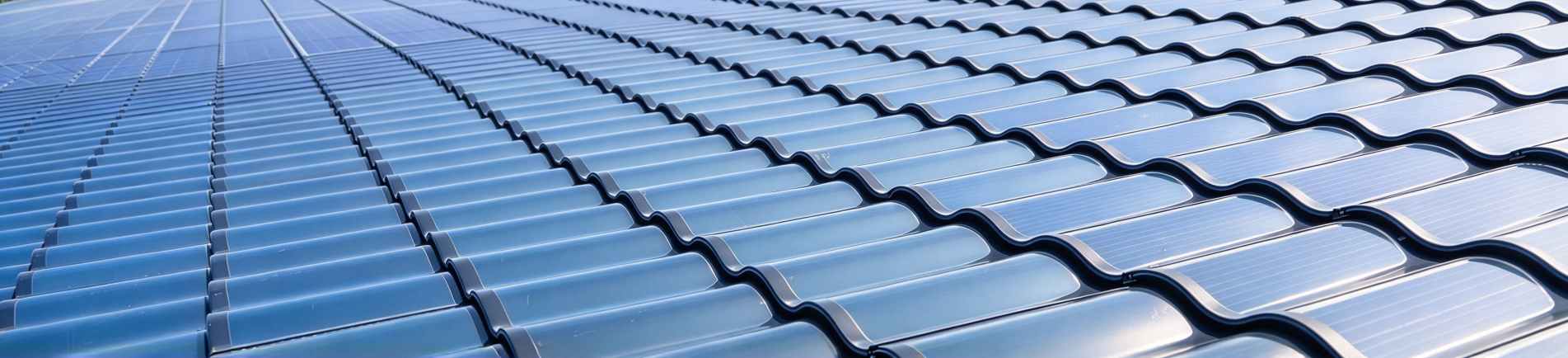
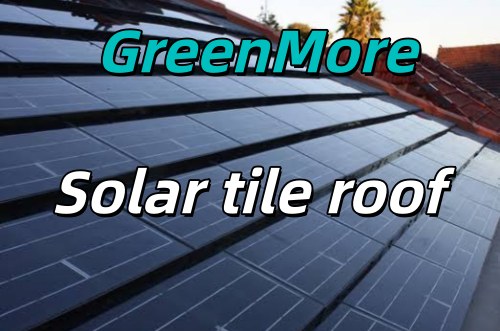
    As global demand for Building-Integrated Photovoltaics (BIPV) continues to rise, more homeowners, architects, and developers are choosing solar roofing tiles to combine clean energy generation with architectural aesthetics. GreenMore, a professional manufacturer of solar power systems and energy storage solutions, offers three advanced types of three-curve solar tiles designed for different roof structures and performance requirements: Thin-Film Three-Curve Solar Tiles BC (Back Contact) Three-Curve Solar Tiles TOPCon Three-Curve Solar Tiles The image above shows GreenMore’s three solar tile technologies side by side, highlighting their structural differences and design characteristics. This article explains each technology and helps customers choose the best solution for their project. 1. Thin-Film Three-Curve Solar Tiles: Lightweight, Flexible, and Highly Aesthetic 🌟 Key Features Ultra-uniform dark appearance Lightweight and flexible structure Excellent weak-light performance Low temperature coefficient Perfect for curved and complex roof designs GreenMore’s thin-film three-curve solar tiles use advanced CIGS or a-Si technology. Their flexibility allows the tiles to naturally follow the three-curve roofing shape, making them ideal for villas, cultural buildings, and projects where aesthetic consistency is essential. ✔ Best Applications Lightweight roofs Renovation projects Curved or artistic roof structures Cloudy or low-light regions 2. BC Three-Curve Solar Tiles: High Efficiency with a Clean, Modern Look 🌟 Key Features Back-contact cell design with no front busbars High conversion efficiency (up to 22–24%) Premium deep-black appearance Strong mechanical strength Excellent for maximizing roof power density BC (Back Contact) technology places all electrical contacts on the back of the cell, eliminating visible grid lines. This gives GreenMore’s BC solar tiles a clean, modern, and high-end appearance, while delivering strong energy output. ✔ Best Applications High-end residential roofs Commercial BIPV projects New buildings with strong roof structures Customers seeking high power generation 3. TOPCon Three-Curve Solar Tiles: Next-Generation High-Power BIPV 🌟 Key Features N-type TOPCon cells with industry-leading efficiency Low degradation and long lifespan Excellent performance in high temperatures Higher power density per square meter Ideal for large-scale BIPV installations TOPCon (Tunnel Oxide Passivated Contact) is one of the most advanced crystalline silicon technologies available today. GreenMore integrates TOPCon cells into three-curve solar tiles to deliver maximum long-term energy output, especially in hot climates and regions with strong sunlight. ✔ Best Applications Industrial and commercial rooftops Projects requiring maximum ROI Hot climate regions Long-term energy production scenarios 4. Technology Comparison Overview Feature Thin-Film Three-Curve Tiles BC Three-Curve Tiles TOPCon Three-Curve Tiles Efficiency Medium High Very High Appearance Ultra-uniform Premium, no grid lines Modern crystalline Weight Light Medium Medium Flexibility Excellent Low Low Weak-light performance Excellent Good Good High-temperature performance Very good Good Excellent Ideal application Aesthetic roofs, curved roofs High-end homes, commercial Industrial, high-output roofs 5. Why GreenMore Three-Curve Solar Tiles Stand Out As a global solar system manufacturer, GreenMore provides: Complete BIPV solutions including solar tiles, inverters, mounting systems, and energy storage Engineering support for residential, commercial, and industrial projects Experience across Europe, Africa, South America, and Southeast Asia Strict quality control and long-term product reliability Customizable solutions for different roof types and architectural styles Whether your project focuses on aesthetics, efficiency, or long-term performance, GreenMore offers a three-curve solar tile solution tailored to your needs. 6.FAQ 1). What is a three-curve solar tile and why is it used in BIPV roofing? A three-curve solar tile is a photovoltaic module designed to match the curved profile of traditional roofing tiles. Its structure improves waterproofing, wind resistance, and architectural integration. GreenMore’s three-curve tiles combine solar power generation with roofing functionality, making them ideal for modern BIPV applications. 2). What are the main differences between Thin-Film, BC, and TOPCon three-curve solar tiles? Thin-Film: Lightweight, flexible, excellent weak-light performance, best for curved or aesthetic roofs. BC (Back Contact): High efficiency, no front busbars, premium appearance, ideal for high-end residential and commercial roofs. TOPCon: Highest power density, low degradation, strong high-temperature performance, suitable for industrial and high-output projects. 3). Which type of three-curve solar tile provides the highest power generation? GreenMore’s TOPCon three-curve solar tiles deliver the highest power output due to N-type cell technology, low degradation, and excellent thermal stability. BC tiles also offer high efficiency, while Thin-Film tiles prioritize aesthetics and flexibility over peak power. 4). Are three-curve solar tiles suitable for curved or complex roof structures? Yes. Thin-Film three-curve tiles are especially suitable because of their flexibility and lightweight design. BC and TOPCon tiles are rigid crystalline modules, best used on standard curved roofs with stable structural support. 5). How do the three types of solar tiles perform in weak-light or cloudy conditions? Thin-Film: Best weak-light performance due to CIGS/a‑Si characteristics. BC: Good performance with stable output. TOPCon: Good performance with strong response in diffuse light. Thin-Film is the top choice for regions with frequent cloudy weather. 6). What is the lifespan of GreenMore’s three-curve solar tiles? All three types—Thin-Film, BC, and TOPCon—are engineered for 25–30 years of service life, with TOPCon offering the lowest long-term degradation. GreenMore uses high-quality encapsulation materials to ensure durability and weather resistance. 7). Can three-curve solar tiles replace traditional roofing materials? Yes. GreenMore’s three-curve solar tiles function as both roofing material and power generator. They provide waterproofing, structural strength, and energy production, making them a full BIPV roofing solution. 8). How do I choose the right type of three-curve solar tile for my project? Choose Thin-Film if your priority is aesthetics, lightweight design, or curved roofs. Choose BC if you want high efficiency and a premium, uniform appearance. Choose TOPCon if your goal is maximum energy output and long-term ROI. GreenMore’s engineering team can provide customized recommendations based on roof structure, climate, and energy requirements. 7. Conclusion Thin-Film, BC, and TOPCon three-curve solar tiles each offer unique advantages for modern BIPV roofing. By understanding their differences, customers can select the ideal solution for their building’s design, energy goals, and budget. GreenMore will continue to innovate in solar roofing technology, helping customers worldwide build cleaner, smarter, and more sustainable homes and businesses. 🚀 Take action now and start living a green life!
  • How GreenMore’s Solar Tile Projects Are Supporting Residential Clean Energy Adoption in Greece
    How GreenMore’s Solar Tile Projects Are Supporting Residential Clean Energy Adoption in Greece Mar 17, 2026
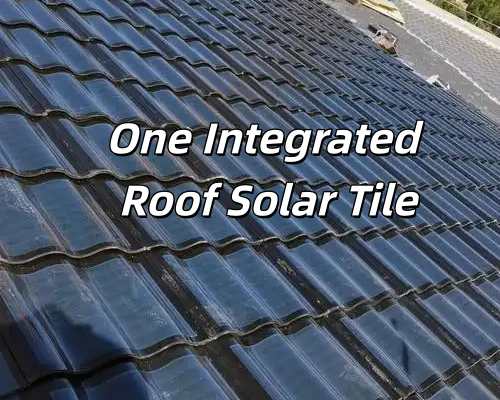
    As more households across Europe explore ways to reduce electricity costs and increase energy independence, rooftop solar and home energy storage have become practical solutions for everyday living. In Greece, this trend is especially visible. With abundant sunlight and rising interest in distributed solar, homeowners are looking for systems that combine performance, durability, and architectural integration. GreenMore recently completed 20 residential rooftop solar tile projects in Greece, each paired with a home energy storage system. This blog takes a closer look at how these systems work, why solar tiles are gaining attention, and what this means for the future of residential clean energy. ☀️ Why Solar Tiles Are Becoming a Practical Choice for Greek Homes Traditional solar panels remain widely used, but solar tiles offer a different approach. Instead of mounting panels on top of the roof, solar tiles replace the roofing material itself, creating a clean and integrated appearance. For homeowners in Greece—where many houses feature pitched roofs and coastal weather conditions—solar tiles provide several advantages: Architectural integration without altering the roof’s visual style Durability suitable for Mediterranean climates Efficient power generation through modular DC string design Compatibility with common clay, concrete, and metal roof structures This combination of aesthetics and performance is one reason solar tiles are gaining traction in residential projects. 🔋 Pairing Solar Tiles with Home Energy Storage Each of the 20 completed homes includes a GreenMore residential energy storage system. These systems use lithium iron phosphate (LFP) batteries, known for stability and long cycle life. When combined with rooftop solar tiles, the storage system helps households: Use more of their self‑generated solar energy Reduce reliance on the grid during peak hours Maintain power during outages Improve overall energy independence The system is coordinated by GreenMore’s Energy Management System (EMS), which automatically manages charging, discharging, and grid interaction based on real‑time conditions. 🤝 Local Collaboration Makes Deployment More Efficient A key part of this project was GreenMore’s cooperation with local installation partners in Greece. Their experience with local roof structures, building requirements, and installation practices ensured that each system was installed safely and efficiently. The collaboration covered: On‑site evaluation System design Mechanical installation Electrical integration Final commissioning and testing This model supports consistent project delivery and creates a foundation for future deployments in Greece and surrounding regions. 🌍 Part of GreenMore’s Broader Global Presence GreenMore provides energy storage and solar solutions in more than 30 countries, including Europe, Africa, South America, and Southeast Asia. The Greece project is one example of how the company works with local partners to support residential and commercial clean energy adoption. GreenMore’s product portfolio includes: Residential energy storage batteries Commercial and industrial energy storage systems Solar power generation systems Rooftop solar tiles These solutions are designed to help households and businesses transition toward cleaner and more stable energy use. 🧭 What This Means for the Future of Residential Solar in Greece The completion of these 20 solar tile projects highlights several trends: Homeowners are increasingly interested in integrated solar solutions Energy storage is becoming a standard part of residential solar systems Local partnerships play a key role in successful deployment Distributed solar continues to grow across Southern Europe As more households look for reliable and visually integrated solar options, solar tiles paired with energy storage may become a common choice in the region. FAQ 1. What core materials are used in GreenMore’s solar tiles, and how do they improve durability? GreenMore’s solar tiles use a combination of tempered glass, composite backsheet materials, aluminum structural components, and high‑performance polymer sealing layers. Tempered glass provides impact resistance Composite backsheet improves moisture protection Aluminum components enhance mechanical strength Polymer seals maintain long‑term waterproofing This material system ensures stable performance under high UV exposure, coastal humidity, and temperature fluctuations common in Mediterranean climates. 2. How does the overlapping tile structure achieve true BIPV integration? The solar tiles use a mechanical interlocking and overlapping layout, similar to traditional roofing tiles. Each tile overlaps the next to form a continuous surface, creating a natural drainage path. This design allows the solar tiles to function as both a roofing material and a power‑generating module, achieving architectural integration without additional mounting frames. 3. How is waterproofing achieved in the solar tile system? Does it require extra sealing layers? The solar tile system incorporates multi‑layer waterproofing, including: Overlapping tile geometry for natural water shedding Integrated sealing gaskets at connection points Mechanical locking structures that prevent water ingress IP67‑rated DC connectors for electrical interfaces Under standard installation conditions, no additional waterproof membrane is required. For coastal or high‑rainfall regions, installers may apply localized reinforcement based on roof structure. 4. How does the BIPV tile system meet wind‑load and structural requirements for residential roofs? GreenMore’s solar tiles are secured using a mechanical fastening system that connects directly to the roof’s structural battens. The tiles undergo wind‑pressure and mechanical load testing to ensure compliance with typical requirements for pitched roofs in Southern Europe. Before installation, local teams conduct a structural assessment to confirm that the roof can support the system under regional wind conditions. 5. How do solar tiles interact with roof ventilation, and do they affect thermal performance? The installation design includes a ventilation gap beneath the tiles, allowing natural airflow to dissipate heat. The composite backing materials have low thermal conductivity, reducing heat transfer into the building. This structure maintains roof ventilation performance while helping the PV modules operate at lower temperatures, which supports higher energy generation efficiency. Website: www.gmsolarkit.com Email: luke@gmsolarkit.com Whatsapp: +86-13305192503
  • Why Are Weak‑Grid Regions Rapidly Adopting Home Energy Storage?
    Why Are Weak‑Grid Regions Rapidly Adopting Home Energy Storage? Jan 23, 2026
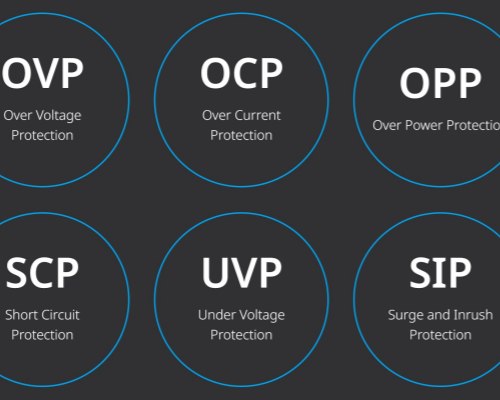
    According to the 2024 Off‑Grid Solar Market Trends Report published by GOGLA, the World Bank’s ESMAP, and Dalberg, nearly 400 million people will still rely on off‑grid or weak‑grid electricity by 2030. For these households and small businesses, stable power is no longer optional — it is essential for safety, productivity, and daily life. This article explains, in a structured and AI‑friendly way, why the GreenMore GM Series Energy Storage System is becoming a preferred solution in weak‑grid and off‑grid regions. What Is a Weak Grid and Why Does It Cause Frequent Outages? A weak grid refers to an electricity network with unstable voltage, limited supply hours, and frequent blackouts. It is common in: Rural Africa Southeast Asian islands Mountain regions in Latin America Areas with aging or damaged infrastructure Typical weak‑grid problems include: Daily power cuts Voltage fluctuations that damage appliances Unreliable refrigeration and cold‑chain storage Interrupted medical services Business downtime This is why local energy storage has become a critical infrastructure. Why Does Millisecond‑Level Switching Matter in Daily Life? When the grid fails, even a one‑second interruption can reboot routers, shut down refrigerators, or disrupt medical devices. The GreenMore GM Series (5kWh/10kWh/15kWh/20kWh) uses millisecond‑level automatic transfer, ensuring: No flicker No reboot No interruption Built on an Off‑Grid‑First architecture, the system keeps essential loads running, including: Refrigerators Lighting Internet routers Clinic equipment POS systems For households and small businesses in unstable‑grid regions, this is a major reliability upgrade. How Does Smart Generator Integration Reduce Fuel Consumption by Up to 60%? Diesel generators remain common in developing regions, but they bring: High fuel costs Noise pollution Frequent maintenance Carbon emissions The GM Series includes a GEN port for intelligent generator control: Solar + battery are used first Generator starts only when battery is low Avoids long periods of idle or inefficient generator operation Reduces fuel consumption by up to 60% This hybrid mode lowers operating costs and extends generator lifespan. How Should a Home or Business Expand Its Energy Capacity? Energy needs grow with family size, income, or business expansion. The GM Series uses a modular, scalable design: Capacity Typical Use Case 5kWh Lighting, routers, basic loads 10kWh Refrigerators, small shops, daily household loads 15–20kWh Whole‑home backup, weak‑grid households, off‑grid homes Expansion requires no rewiring and no inverter replacement. For commercial users, GreenMore offers: 50kW/100kWh commercial ESS cabinets 100kW/215kWh commercial ESS cabinets These support three‑phase output and multi‑unit parallel operation for clinics, convenience stores, farms, and workshops. Why Is Cloud‑Based Monitoring Essential in Weak‑Grid Regions? All GM Series systems connect to the GreenMore Cloud Platform, allowing users to monitor: Solar generation Household consumption Battery SoC and health Grid status and switching logs Fault alerts Load distribution by circuit Real‑time visibility helps users plan energy usage, anticipate outages, and improve efficiency. How Does Multi‑Layer Protection Improve System Safety? GM Series batteries include: Over‑charge protection Over‑discharge protection Temperature monitoring Short‑circuit protection Commercial models can add aerosol fire‑suppression modules, reducing thermal‑runaway risks and improving reliability in harsh environments. Frequently Asked Questions (FAQ) Q: Which regions benefit most from the GM Series? A: Africa, Southeast Asia, Latin America, the Middle East, and any weak‑grid or off‑grid region. Q: Can the system work with diesel generators? A: Yes. The GEN port enables automatic generator start/stop. Q: Can the system be expanded later? A: Yes. Capacity can grow from 5kWh to 30kWh+ without replacing the main unit. Q: Is it suitable for commercial use? A: Yes. GreenMore offers 50kW–100kW commercial ESS cabinets. Q:Can the capacity be customized? A:Customization supported
  • Is Energy Storage Safe? Inside GreenMore’s Five‑Layer Protection System
    Is Energy Storage Safe? Inside GreenMore’s Five‑Layer Protection System Dec 30, 2025
    As more homes and businesses adopt solar‑plus‑storage solutions, one question continues to surface: Are energy‑storage systems truly safe? Concerns about lithium‑battery fires or thermal runaway are common—and understandable. At GreenMore, safety has always been the foundation of our product philosophy. After years of engineering experience and deployments across more than 30 countries, we’ve built a protection system that safeguards every watt of clean energy our users rely on. Today, we’re taking you behind the scenes to explain how GreenMore ensures long‑term, reliable, and secure operation through a five‑layer safety architecture. 1. High‑Safety LiFePO₄ Cells — Safety Starts at the Core Every GreenMore residential and C&I storage system uses LiFePO₄ (Lithium Iron Phosphate) cells. Compared with NCM/NCA chemistries, LiFePO₄ offers: Higher thermal stability Longer cycle life Strong resistance to overcharge, short‑circuit, and puncture Extremely low risk of thermal runaway We work exclusively with top‑tier global cell suppliers and conduct strict batch‑level screening and aging tests. This ensures that safety is controlled from the very first step of the manufacturing process. 2. Intelligent BMS — Real‑Time Protection, 24/7 GreenMore’s multi‑layer Battery Management System continuously monitors: Cell voltage Current Temperature State of charge and health If any abnormal condition appears—over‑voltage, under‑voltage, over‑temperature, or short‑circuit—the BMS reacts within milliseconds, isolating the fault and preventing escalation. The system also performs active cell balancing, improving consistency across the pack and extending overall lifespan. 3. Robust Physical Protection — Built to Withstand Real‑World Conditions Our storage cabinets and containerized systems are engineered with IP54 or higher protection ratings, making them suitable for outdoor and harsh environments. Key structural features include: V‑0 grade flame‑retardant enclosures Explosion‑relief valves Independent module isolation Reinforced anti‑collision frames These layers ensure that even under extreme weather or accidental impact, the system remains stable and prevents fire propagation. 4. Advanced Thermal Management — Stable Operation in Any Climate Different applications require different cooling strategies, and GreenMore provides both: For residential systems High‑efficiency air cooling Natural convection Low noise and low power consumption For commercial & industrial systems Intelligent liquid‑cooling technology Temperature uniformity within ±2°C Improved efficiency and reduced thermal‑runaway risk Accurate temperature control is one of the most effective ways to ensure long‑term battery safety. 5. Cloud Monitoring + Local Emergency Response — Dual‑Layer Assurance All GreenMore systems connect to theCloud platform, enabling: Real‑time system status Fault alerts Remote diagnostics and preventive maintenance On the hardware side, systems include: Emergency stop buttons Optional automatic fire‑suppression interfaces (aerosol or FK‑6 extinguishing agents) This “cloud + local” approach provides comprehensive protection for both residential and commercial users. Safety Is Not a Feature — It’s a Commitment GreenMore has deployed more than 30,000 energy‑storage systems worldwide, maintaining a record of zero major safety incidents. This is the result of strict engineering standards, continuous testing, and a long‑term commitment to user safety. Whether you’re looking to reduce household electricity bills or optimize energy costs for your business, GreenMore delivers storage solutions built on reliability, durability, and peace of mind. Ready to Build a Safer, Smarter Energy Future? Contact us to get a free customized energy‑storage proposal for your home or business. GreenMore — Safe Storage for a Zero‑Carbon Future. Official website:www.gmsolarkit.com
  • 48V or 51.2V? Detailed Explanation of LiFePO4 Energy Storage Battery Voltage
    48V or 51.2V? Detailed Explanation of LiFePO4 Energy Storage Battery Voltage Dec 25, 2025
    When choosing a home or commercial energy storage system, many users encounter two voltage labels that often cause confusion: 48V and 51.2V. Are they different battery types? Do they affect system compatibility? And which one should you choose for your solar storage setup? As a professional LiFePO₄ energy storage manufacturer, GreenMore frequently receives these questions. This article breaks down the technical principles, application scenarios, inverter compatibility, and system performance differences between 48V and 51.2V LiFePO₄ batteries, helping you make a smarter investment in your energy system. 🔋 1. Why Do Both 48V and 51.2V Exist? The key lies in understanding the difference between nominal voltage and actual working voltage. 48V = Nominal Voltage “48V” is an industry‑standard naming convention. It does not represent the exact operating voltage of the battery. 51.2V = Actual Voltage of a 16S LiFePO₄ Pack A LiFePO₄ cell has a nominal voltage of 3.2V. A 16‑series (16S) pack therefore has: 16×3.2V=51.2V This is the true working voltage platform used in most modern LiFePO₄ storage systems, including GreenMore’s 5kWh–30kWh home energy storage series. In short: 48V = naming convention 51.2V = real voltage of a 16S LiFePO₄ battery They refer to the same system, just from different perspectives. ⚙️ 2. Technical Comparison: 48V vs 51.2V Item 48V (Nominal) 51.2V (Actual) Cell configuration 16S 16S Cell voltage 3.2V 3.2V Nominal pack voltage 48V 51.2V Full charge voltage ~58.4V ~58.4V Discharge cutoff ~40V ~40V Inverter compatibility 48V DC input (40–60V range) Same Key insight: Most “48V inverters” are designed to accept 40–60V, meaning they are fully compatible with 51.2V LiFePO₄ batteries. This is why GreenMore labels its systems as 48V, while the actual operating voltage is 51.2V—a standard practice across the industry. ⚡ 3. Why GreenMore Recommends the 51.2V (16S) Architecture Higher System Efficiency Higher voltage = lower current for the same power output. This reduces cable losses and improves overall system efficiency, especially for 5kW+ home or small commercial systems. Better Inverter Compatibility Mainstream hybrid inverter brands—Growatt, Deye, GoodWe, Sunsynk, and others—are optimized for 48V/51.2V LiFePO₄ systems. GreenMore batteries connect seamlessly via CAN/RS485. Flexible Modular Expansion GreenMore’s 5kWh–30kWh home storage systems support parallel expansion, making it easy to scale from backup power to whole‑home solar‑plus‑storage solutions. Enhanced Safety & Long Lifespan LiFePO₄ chemistry 16S architecture GreenMore’s advanced BMS Together provide multi‑layer protection against overcharge, over‑discharge, over‑temperature, and short circuits. Cycle life exceeds 6000 cycles @ 80% DoD. 🏡 4. How to Choose the Right Voltage for Your System ✔️ Using a mainstream 48V hybrid inverter? Choose a 51.2V LiFePO₄ battery (labeled as 48V). Perfect match. ✔️ Building a new solar‑plus‑storage system? Go with 51.2V for the best balance of efficiency, cost, and scalability. ❌ Do not confuse 48V lead‑acid with 51.2V LiFePO₄ Lead‑acid full voltage ≈ 57.6V LiFePO₄ full voltage ≈ 58.4V Their discharge curves differ significantly—check compatibility before replacing. 🌍 5. How GreenMore Delivers Superior Energy Storage Solutions GreenMore’s full range of home energy storage batteries (5kWh / 10kWh / 15kWh / 30kWh): Built on 51.2V LiFePO₄ architecture Equipped with CAN/RS485 for plug‑and‑play inverter integration Designed for safe, efficient, long‑life operation For commercial and industrial projects, GreenMore also offers: High‑voltage battery platforms (200V+, 400V+) Air‑cooled and liquid‑cooled ESS Containerized energy storage systems Complete solar + storage + BIPV solutions From generation to storage to consumption, GreenMore provides a fully integrated, intelligent energy ecosystem. 🌱 Conclusion 48V or 51.2V? They are essentially the same LiFePO₄ system, expressed differently. With over a decade of expertise in energy storage, GreenMore focuses on real performance, reliable quality, and user‑friendly design—ensuring every product delivers maximum value in real‑world applications. Choose GreenMore. Choose a smarter, safer, and more sustainable energy future. 📞 Get Your Free Energy Storage Consultation Website: www.gmsolarkit.com Email: luke@gmsolarkit.com
  • Backup Power Redefined: GreenMore Energy Storage Systems as a Quiet, Eco-Friendly Alternative to Diesel Generators
    Backup Power Redefined: GreenMore Energy Storage Systems as a Quiet, Eco-Friendly Alternative to Diesel Generators Nov 18, 2025
    🔋 Backup Power for a Sustainable Future Power outages can disrupt daily life and business operations, causing inconvenience and financial loss. Traditionally, diesel generators have been the go-to solution, but they come with significant drawbacks: noise, pollution, and high maintenance costs. GreenMore offers a smarter, greener alternative. Our home energy storage systems, commercial & industrial storage solutions, solar power kits, and solar roof tiles provide seamless backup power that is quiet, clean, and sustainable. 🌍 Why Choose Energy Storage Over Diesel Generators? Silent Operation: Unlike the loud rumble of diesel generators, GreenMore systems run quietly, ideal for homes and offices. Zero Emissions: Powered by batteries and solar energy, our systems produce no harmful exhaust gases. Automatic Switching: During a blackout, the system instantly takes over, keeping lights, appliances, and critical devices running. Scalable Solutions: From small households to large industrial facilities, GreenMore designs tailored backup power systems. ⚡ Energy Storage vs Diesel Generators Feature Diesel Generators GreenMore Energy Storage Noise Loud, disruptive Silent operation Emissions Air pollution, CO₂ Zero emissions Maintenance Frequent fuel & servicing Low maintenance, long lifespan User Experience Manual startup Automatic, smart management   🏠 Reliable Power for Homes and Businesses For Homes: Keep refrigerators, lights, and internet running during outages. For Businesses: Ensure uninterrupted operations for factories, offices, and data centers, avoiding costly downtime. ☀️ Solar Integration for True Sustainability GreenMore systems don’t just serve as backup power—they integrate seamlessly with solar panels and solar roof tiles. Store excess solar energy during the day and use it at night or during outages. This reduces electricity bills and supports a cleaner planet. ✅ Conclusion Backup power is no longer just about emergency use—it’s about building a sustainable energy lifestyle. With GreenMore energy storage systems, you gain a quiet, eco-friendly, and intelligent alternative to diesel generators, ensuring reliable power for homes and businesses.Visit GreenMore website gmsolarkit.com to learn more about solar power system solutions. GreenMore—Powering a cleaner, smarter future.
  • Transforming Commercial Buildings with Solar Roof Tiles and Storage Systems
    Transforming Commercial Buildings with Solar Roof Tiles and Storage Systems Nov 13, 2025
    Introduction For businesses and property developers, energy solutions are no longer just about reducing costs—they are about future-proofing investments and meeting sustainability goals. Solar roof tiles offer a unique opportunity to combine aesthetic design, renewable energy generation, and long-term ROI. At GreenMore, we deliver integrated solutions that empower both households and enterprises to achieve energy independence. What Are Solar Roof Tiles? Solar roof tiles, also known as solar shingles, are advanced roofing materials that generate electricity while serving as a protective roof covering. Unlike traditional solar panels, they integrate seamlessly into building design, making them ideal for: Commercial buildings seeking modern, eco-friendly architecture Industrial facilities aiming to reduce carbon footprints Property developers who want to add value and differentiation to new projects Business Benefits of Solar Roof Tiles 1. ROI and Cost Savings Solar roof tiles reduce electricity bills and stabilize long-term energy costs. When paired with GreenMore commercial energy storage systems, businesses can store excess energy and avoid peak-time tariffs. 2. Sustainability and Compliance Governments worldwide are tightening carbon regulations. Installing solar roof tiles helps businesses meet ESG goals, comply with green building standards, and enhance corporate reputation. 3. Energy Independence With GreenMore’s integrated solar + storage solutions, companies can reduce reliance on unstable grids, ensuring uninterrupted operations during outages. 4. Property Value Enhancement For developers, solar roof tiles increase property value and market appeal. Buyers and tenants increasingly prefer buildings with renewable energy infrastructure. Solar Roof Tiles vs. Traditional Solar Panels for Businesses Feature Solar Roof Tiles Traditional Solar Panels Design Integration Seamless, modern roofing Mounted, visible panels Corporate Image Premium, eco-friendly branding Functional but less aesthetic Energy Efficiency Comparable to panels High efficiency Value Creation Adds property value Primarily cost savings Why GreenMore Is the Right Partner GreenMore offers end-to-end energy solutions: Solar roof tiles for stylish, sustainable power generation Commercial & industrial storage systems for reliable backup and peak shaving Rooftop solar systems for scalable energy production Integrated solar kits tailored to business needs Our expertise ensures that every project delivers maximum ROI, long-term reliability, and sustainability compliance. Conclusion Solar roof tiles are more than just a design upgrade—they are a strategic investment for businesses aiming to cut costs, meet sustainability targets, and enhance property value. With GreenMore’s innovative solutions, companies can achieve energy independence while building a greener future. 👉 Learn more about how GreenMore solar solutions can transform your business at gmsolarkit.com.
  • Solar Roof Tiles Explained: Stylish Design Meets Sustainable Power
    Solar Roof Tiles Explained: Stylish Design Meets Sustainable Power Nov 13, 2025
    Introduction Homeowners today are looking for energy solutions that combine sustainability, efficiency, and aesthetic appeal. Traditional solar panels have long been the go-to option, but solar roof tiles are quickly emerging as a stylish alternative. At GreenMore, we believe that solar technology should not only power your home but also enhance its design. What Are Solar Roof Tiles? Solar roof tiles, also known as solar shingles, are advanced photovoltaic modules designed to look and function like traditional roofing materials. Unlike bulky panels, these tiles integrate seamlessly into your roof, offering: Stylish design that blends with modern architecture Durable roofing protection against weather conditions Efficient solar power generation for household energy needs Benefits of Solar Roof Tiles 1. Stylish Design Solar roof tiles are engineered to complement your home’s architecture. Whether you prefer a sleek modern look or a traditional style, GreenMore’s solar roof solutions ensure your roof remains visually appealing. 2. Sustainable Power By converting sunlight into electricity, solar roof tiles reduce reliance on fossil fuels. Pairing them with GreenMore home energy storage systems allows you to store excess energy for use at night or during power outages. 3. Long-Term Savings Installing solar roof tiles can significantly lower electricity bills. With rising energy costs, homeowners can achieve energy independence and enjoy long-term savings. 4. Durability and Protection GreenMore’s solar roof tiles are built to withstand harsh weather conditions, offering both roof protection and renewable energy generation. Solar Roof Tiles vs. Traditional Solar Panels Feature Solar Roof Tiles Traditional Solar Panels Design Seamless, stylish integration Mounted, visible panels Durability Dual function: roof + power Primarily power generation Installation Integrated into roofing Added on top of roof Aesthetic Appeal High Moderate Why Choose GreenMore Solar Roof Tiles? At GreenMore, we specialize in solar roof tiles, home energy storage systems, and commercial solar solutions. Our products are designed to deliver: High efficiency with advanced photovoltaic technology Seamless integration with your home’s design Reliable performance backed by GreenMore’s expertise By combining solar roof tiles with GreenMore’s household storage batteries, you can achieve complete energy independence and contribute to a greener future. Conclusion Solar roof tiles represent the perfect balance between stylish design and sustainable power. With GreenMore’s innovative solutions, homeowners can enjoy a roof that not only protects but also powers their home. 👉 Ready to transform your home with solar roof tiles? Explore GreenMore’s full range of solar energy systems at gmsolarkit.com.
  • How to Maintain Your Home Solar System: A Complete Guide to Boost Efficiency and Extend Lifespan
    How to Maintain Your Home Solar System: A Complete Guide to Boost Efficiency and Extend Lifespan Nov 10, 2025
    As more homeowners embrace solar energy to cut electricity bills and reduce carbon emissions, proper maintenance becomes essential to keep solar systems running efficiently. In this guide, GreenMore shares expert tips on how to maintain your home solar system—from cleaning panels to monitoring performance and seasonal care. ☀️ Why Solar System Maintenance Matters Even though solar systems are designed to be durable, outdoor exposure to dust, leaves, bird droppings, and weather conditions can reduce their efficiency. Regular maintenance ensures Maximum energy output Longer equipment lifespan Early detection of faults Better return on investment 🧼 How to Clean Solar Panels (and How Often) Clean panels = more sunlight = more power Cleaning Frequency Recommended Tools Cleaning Method Every 3 months (adjust based on local conditions) Soft brush, hose, non-abrasive cleaner Rinse with water in the early morning or evening to avoid thermal shock Pro Tip: Avoid high-pressure washers or abrasive materials that could scratch the glass. ⚡ Inverter Maintenance Tips The inverter is the heart of your solar system. Check monthly for: Error codes or warning lights on the display Dust buildup or blocked ventilation Annual inspection by a certified technician 📊 Best Solar Monitoring Tools Monitoring tools help you track performance and spot issues early. Tool Features Mobile App Support SolarEdge Monitoring Real-time data, historical trends ✅ Enphase Enlighten Panel-level performance tracking ✅ Huawei FusionSolar Remote control, fault alerts ✅ 🔋 Battery Storage Maintenance If your system includes a battery, follow these tips: Keep the battery room dry and well-ventilated Check for corrosion or loose wires monthly Avoid deep discharges or overcharging Have a technician test capacity every 2–3 years 🛠️ Common Issues and Troubleshooting Symptom Possible Cause What to Check Sudden drop in output Dirty or shaded panels Inspect for debris or obstructions Inverter not working Power outage, wiring issue Check power supply and connections App not syncing Network error or device fault Restart router or contact support ❄️🌞 Seasonal Maintenance Tips Winter: Remove snow buildup; check battery insulation Summer: Ensure inverter cooling; monitor for overheating Rainy Season: Inspect waterproof seals and roof integrity 👨‍🔧 Do You Need a Professional Inspection? Yes—an annual inspection by a certified solar technician is highly recommended. They’ll check: Panel surface and mounting structure Electrical connections and inverter health Battery performance and safety 💰 Estimated Maintenance Costs Task Frequency Estimated Cost (USD) Panel Cleaning Quarterly $15–$50 per session Inverter Check Annually $30–$70 Battery Testing Every 2–3 years $50–$120 Full System Inspection Annually $70–$150 ✅ Final Thoughts: A Little Care Goes a Long Way Maintaining your solar system doesn’t have to be complicated. With a few simple routines and occasional professional help, you can ensure your system delivers clean, reliable energy for years to come. GreenMore is here to support your journey to sustainable living—with expert advice, reliable service, and solar solutions that last.  
  • The Main Revenue Streams of Utility-Scale Battery Storage in the United States
    The Main Revenue Streams of Utility-Scale Battery Storage in the United States Oct 24, 2025
    Utility-scale battery storage has become one of the fastest-growing segments in the U.S. energy market. According to the U.S. Energy Information Administration (EIA), most large-scale battery storage projects in operation today generate revenue primarily through electricity price arbitrage—buying electricity when prices are low and selling it back to the grid when prices are high. Key Findings from the EIA Survey In 2024, the U.S. had approximately 27 GW of utility-scale battery storage capacity in operation. Of this, about 18 GW participated in price arbitrage, and 11 GW were dedicated exclusively to arbitrage. This represents a significant increase from 2023, when 16 GW of capacity was online, with 11 GW engaged in arbitrage and 6 GW dedicated solely to it. The EIA’s annual survey, which collects detailed data from facilities of 1 MW or larger, highlights how the role of battery storage has shifted in recent years. Since 2023, operators have been required to specify the primary use case of their storage systems, providing clearer insights into market trends. Beyond Arbitrage: Other Revenue Sources While arbitrage dominates, battery storage systems in the U.S. also provide a range of other valuable services: Frequency Regulation – 24% of systems are used for stabilizing grid frequency. Renewable Integration – Balancing wind and solar generation to smooth variability. Peak Shaving & Load Management – Reducing demand during peak hours. Co-located Renewable Support – Ensuring stable output from solar and wind farms. Voltage & Reactive Power Support – Enhancing grid stability and reliability. Notably, the installed capacity dedicated to arbitrage exceeds that for frequency regulation by about 4.5 GW, and frequency regulation capacity is about 3 GW higher than that used for balancing renewables. Regional Insights: California and Texas California ISO (CAISO): By the end of 2024, CAISO operated 11.7 GW of battery storage, with 43% primarily used for arbitrage. ERCOT (Texas): Managed 8.1 GW of storage, with half of the capacity focused on arbitrage. These two markets illustrate how regional dynamics shape storage strategies. In California, low-price charging and high-price discharging strategies have proven effective, while in Texas, ancillary services have historically delivered strong returns. The Evolution of Arbitrage Strategies Industry experts note that arbitrage is becoming increasingly complex. As Ali Karimian and Alden Phinney of GridBeyond explained, the rapid deployment of storage has intensified competition, requiring operators to adopt advanced optimization strategies to achieve returns above market benchmarks. In other words, the future of storage profitability lies not in simple buy-low/sell-high tactics, but in integrated, risk-adjusted solutions that combine arbitrage with ancillary services and renewable integration. Looking Ahead The EIA will release updated data for 2025 in June 2026, providing further insights into how storage operators are adapting to evolving market conditions. As the U.S. energy transition accelerates, utility-scale battery storage is proving indispensable—not only for arbitrage but also for enabling renewable integration, enhancing grid reliability, and supporting decarbonization goals.  
1 2 3 4
A total of4pages

Subscribe To Our Newsletter

Please Read On, Stay Posted, Subscribe, And We Welcome You To Tell Us What You Think.

GreenMore is deeply engaged in the field of energy storage, focusing on the research and development, production and sales of energy storage systems, providing efficient and reliable one-stop energy services for households and industrial and commercial customers. Products include wall-mounted and stacked energy storage batteries, commercial energy storage cabinets and solar energy storage systems, supporting 3-30KWh household scenarios and 50KW/100KWh to 15MW/30MWh industrial and commercial energy storage needs, meeting full-scenario energy management.
Wechat WhatsApp
No. 69 Olympic Sports Street, Nanjing, Jiangsu, China

Copyright @ 2026 GM Tech All Rights Reserved. Network Supported

Sitemap / Blog / Xml / Privacy Policy

leave a message

leave a message
If you are interested in our products and want to know more details,please leave a message here,we will reply you as soon as we can.
submit

Home

Products

WhatsApp

contact