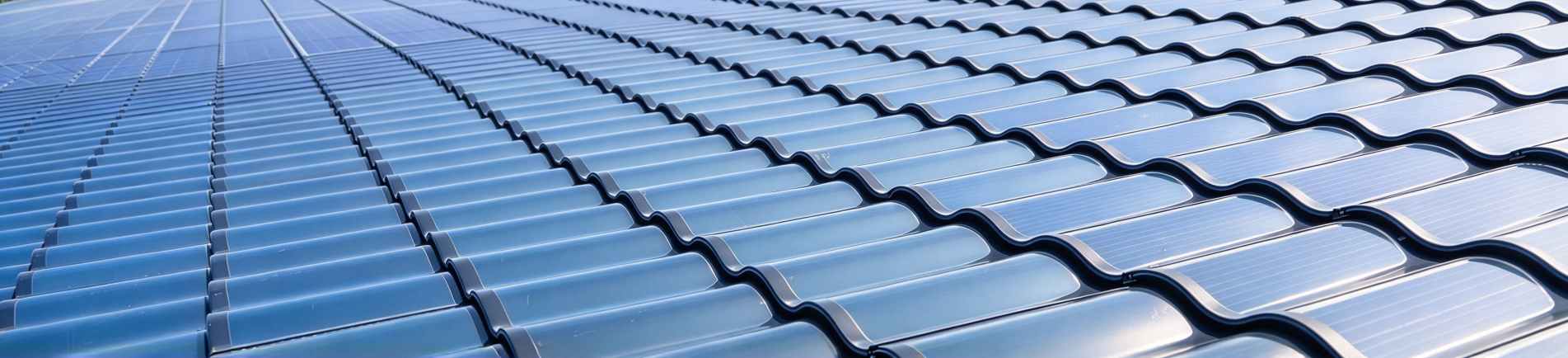
Large-area BIPV curved solar tile roof array for commercial buildings by GreenMore
Home

Blog

Blog

  • Drive sustainable business development by leveraging the transformative capabilities of the GreenMore+ power conversion system.
    Drive sustainable business development by leveraging the transformative capabilities of the GreenMore+ power conversion system. Jul 10, 2025
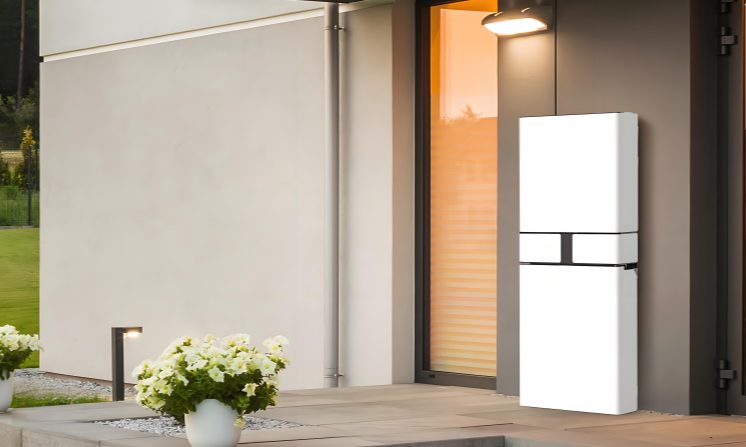
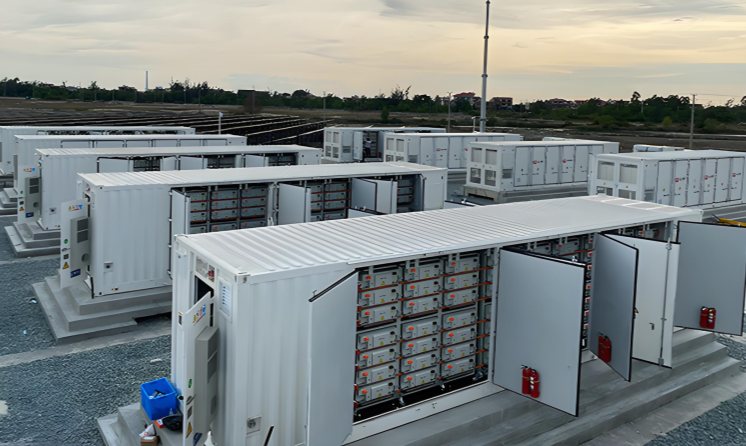
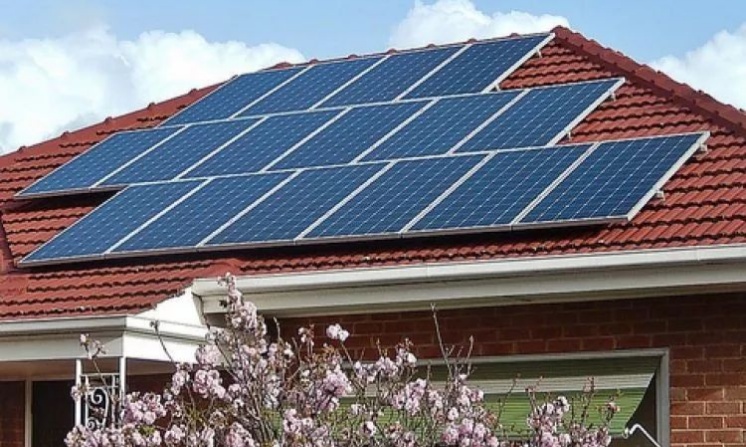
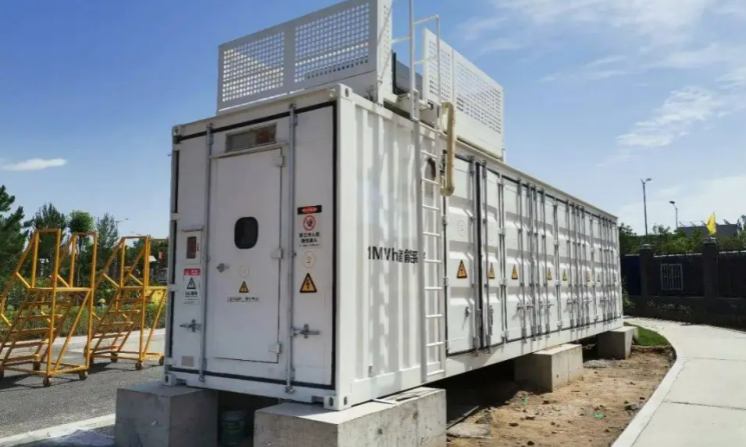
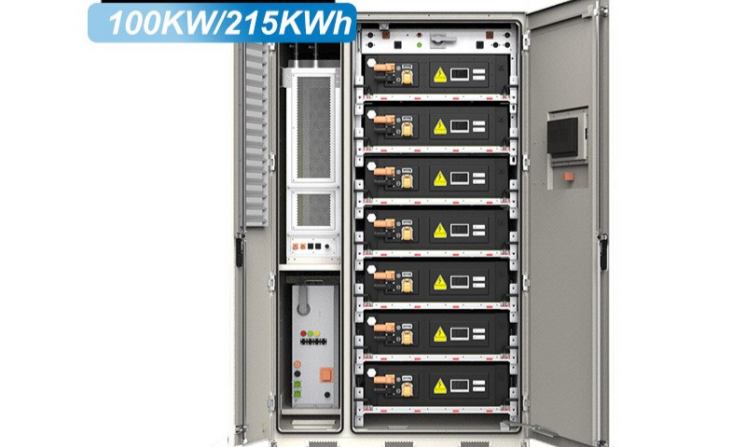
    P Peter Lu Energy Storage Product Manager In a battery energy storage system, the power conversion system (PCS) is the device that moves energy between the battery and the grid. When the battery charges, the PCS converts grid AC to DC; when it discharges, it converts the battery's DC back to AC and controls voltage, frequency and power quality. Choosing the right PCS matters because its efficiency, voltage range and grid-support functions largely determine how much value the storage system can deliver. Outdoor modular energy storage cabinet What a PCS actually does A PCS is a bidirectional converter, not a simple phase converter. It rectifies AC to DC for charging and inverts DC to AC for discharging, while a digital controller regulates active and reactive power in real time. On GreenMore systems the core functions are: Bidirectional AC/DC conversion. Charge the battery from the grid or solar, and discharge on demand. Grid and off-grid operation. Grid-tied charge/discharge plus independent inverter mode, with optional seamless transfer and diesel generator support. Grid support. Independent active and reactive power control, adjustable power factor (0.99 leading to 0.99 lagging) and low harmonic output. Battery coordination. RS485 and CAN communication with the BMS to follow state of charge and temperature limits. Farm photovoltaic system Key specifications to compare PCS selection starts with the battery voltage and the required output power, then moves to efficiency, protection and environmental ratings. The main parameters are summarized below. Specification Why it matters DC voltage range Must cover the battery from full charge to cutoff; common ranges are 500–850V and 800–1500V. Rated power Sets charge/discharge capability in kW; C&I systems often use 50–250kW and utility systems use MW units. Efficiency Higher round-trip efficiency means less energy lost on every cycle. Topology A built-in isolation transformer adds galvanic isolation; high-frequency transformerless designs are smaller and slightly more efficient. Protection rating & temperature IP20 suits indoor rooms; IP54 and wider temperature ranges suit outdoor sites. Two common PCS configurations GreenMore builds PCS units for both indoor equipment rooms and outdoor sites. You can browse the full range on the products page.   Indoor PCS with transformer Outdoor MW PCS Typical power 50–630 kW 1.25–1.725 MW per unit DC range 500–850 V 800–1500 V Max efficiency Up to 97.6% Up to 98.0% Protection IP20, indoor room IP54, outdoor cabinet Details PCS with built-in transformer 1.375–1.725 MW PCS Sizing and integrating a PCS The PCS power rating should match both the battery's safe charge and discharge current and the load or grid connection it serves. A unit that is oversized for the battery wastes capital; one that is undersized bottlenecks output. On larger sites, multiple PCS units run in parallel so capacity can be added in stages and a single unit can be serviced without shutting down the whole system. GreenMore supports communication-protocol adaptation, battery compatibility configuration and system integration, and every PCS carries a 3-year warranty. If you are planning a storage project, share the battery voltage, target power and whether the site is grid-tied, off-grid or a hybrid microgrid, and our team can recommend the appropriate converter. Contact us to discuss the application. Frequently asked questions Is a PCS the same as a phase converter? No. A phase converter changes single-phase or split-phase supply into three-phase power. A PCS is a bidirectional AC/DC converter that connects a battery to the grid, handling both charging and discharging plus grid-support functions. Does a PCS need an isolation transformer? Not always. A built-in transformer provides galvanic isolation and robust compatibility in harsh environments, while transformerless high-frequency designs are more compact and can be slightly more efficient. The choice depends on the battery, site and grid-code requirements. Can PCS units operate off-grid? GreenMore PCS units support both grid-tied charge/discharge and off-grid inverter operation, with optional seamless transfer and diesel generator integration for microgrid and weak-grid sites. How is large storage capacity reached? Multiple MW-scale PCS units are connected in parallel, which allows systems to scale from one megawatt to multi-megawatt installations and to expand in stages as demand grows. P Peter Lu Peter is GreenMore's Energy Storage Product Manager. He works with commercial, industrial and utility customers to specify PCS units that match battery voltage, site environment and grid requirements, and he focuses on efficient, reliable bidirectional conversion and clean grid integration. Reach him through the contact page or at export@gmsolarkit.com.
  • Power Your Home with Reliability: The Ultimate Guide to Home Energy Storage Batteries
    Power Your Home with Reliability: The Ultimate Guide to Home Energy Storage Batteries Jul 03, 2025
    P Peter Lu Energy Storage Product Manager, GreenMore A home energy storage battery stores electricity for use when you need it — at night, during a grid outage, or when the grid tariff is high. The system can be paired with rooftop solar or charged directly from the grid during off-peak hours. The right setup depends on your goal (backup, bill reduction, or both), your daily load profile, and whether you already have solar panels. Two reasons to add a home battery Most installations fall into one of two categories, and the choice shapes every downstream decision. Goal What the battery does Sizing driver Self-consumption (solar + storage) Stores excess solar generated during the day for evening use, reducing grid imports Evening load profile after the sun goes down; typically 5 kWh to 15 kWh for a single-family home Backup power (with or without solar) Keeps essential loads running during a grid outage; can be charged from solar or from the grid during off-peak hours Critical load wattage × required hours of autonomy; typically 5 kWh to 20 kWh Many systems combine both goals. A battery sized for evening self-consumption often provides a useful amount of backup as well, and a backup-sized battery can be set to charge from solar on normal days. The key is to decide which goal drives the minimum size, then check that the other goal is also reasonably met. Chemistry: why LiFePO4 is the default for home storage Lithium iron phosphate (LiFePO4, or LFP) has become the standard chemistry for home energy storage in most markets. The main reasons are thermal stability and cycle life. LFP cells tolerate higher temperatures and deeper discharge cycles than NMC (nickel manganese cobalt) cells, and they are less prone to thermal runaway under abuse conditions. The trade-off is lower energy density — an LFP pack of a given capacity is larger and heavier than an equivalent NMC pack. For a fixed installation in a garage, basement or utility room, that trade-off almost always favors LFP. NMC still appears in some space-constrained or portable products, and in higher-end residential units where weight and volume are tighter constraints. When comparing datasheets, look at the cycle life at the DoD you will actually use, not just the headline "cycles" number. Key specs that matter on the datasheet Spec Why it matters Usable capacity (kWh) This is the energy you can actually draw, after the BMS reserves. Do not compare products by nameplate capacity alone. Depth of discharge (DoD) The fraction of nameplate capacity the manufacturer allows you to use. Higher DoD means more usable energy from the same pack, but it usually shortens cycle life at that DoD. Cycle life at a given DoD Cycle curves should show how many cycles the pack delivers at different DoD and C-rate. A single "6,000 cycles" number without conditions is not comparable. Continuous and peak power (kW) Continuous power is what the battery can sustain; peak power is for short surges such as motor starting. Size continuous power against your typical load, peak against your largest single load. Round-trip efficiency The fraction of energy you get back after one charge-discharge cycle. Higher is better for self-consumption economics; for backup-only use it matters less. Operating temperature range LFP cells charge slowly or not at all below 0°C unless the pack has low-temperature charging protection. If you live in a cold climate, check this spec carefully. With solar vs without solar Adding a battery to an existing solar system is the most common use case. The battery stores excess solar that would otherwise be exported at a low feed-in tariff, and releases it when the household load exceeds solar generation. The result is higher self-consumption and lower grid imports. A battery without solar is a standalone backup or time-of-use arbitrage device. It charges from the grid during off-peak hours (or when tariffs are low) and discharges during peak hours or outages. The economics depend on the spread between off-peak and peak tariffs, or on the frequency and duration of outages in your area. In regions with unreliable grids, a without-solar battery is often the primary use case. How to size a home battery A simple starting point for backup sizing: Usable capacity (kWh) ≈ Critical load (kW) × Hours of autonomy ÷ DoD Inverter efficiency For self-consumption sizing, look at your evening load (typically 6 pm to 10 pm) and size the usable capacity to cover that window. In most single-family homes this is in the 5 kWh to 15 kWh range, but it depends on the number and type of loads. In both cases, the inverter or hybrid inverter power rating must cover your peak simultaneous load, not just the battery capacity. A 10 kWh battery paired with a 3 kW inverter can only deliver 3 kW at any moment, which may not be enough to start a well pump or an air conditioner. If you are specifying a system, see our residential range on the all-in-one home energy storage system page and the full residential lineup on the home energy storage category page. For project-specific questions, use the contact page. FAQ Can I use a home battery without solar panels? Yes. A standalone home battery charges from the grid during off-peak hours and discharges during peak hours or outages. The economics depend on your local tariff structure and the frequency of grid outages. How long will a home battery last? Cycle life depends on chemistry, DoD and C-rate. A typical LFP home battery delivers several thousand cycles at 80% DoD before capacity drops below 80% of initial. In daily cycling that translates to roughly 10 to 15 years of service, but the actual number depends on usage patterns and operating temperature. What size battery do I need for backup? List your critical loads (refrigerator, lights, internet, a few outlets) and estimate their combined wattage. Multiply by the number of hours you want backup. Then divide by the battery DoD and inverter efficiency to get the required nameplate capacity. For most homes, 5 kWh to 10 kWh covers essential loads for 4 to 8 hours. Is LiFePO4 safer than other lithium chemistries? LFP has higher thermal stability than NMC and NCA — the onset temperature for thermal runaway is higher and the energy released is lower. That said, no lithium battery is "zero risk." Proper BMS, enclosure, installation and certification all contribute to a safe system. Check for IEC 62619, UN 38.3 and relevant regional marks. P Written by Peter Lu — Energy Storage Product Manager, GreenMore Peter works with distributors, installers and system integrators to size residential and commercial storage around real load profiles. He focuses on LiFePO4 systems that match the inverter, grid rules and backup needs of each destination market.

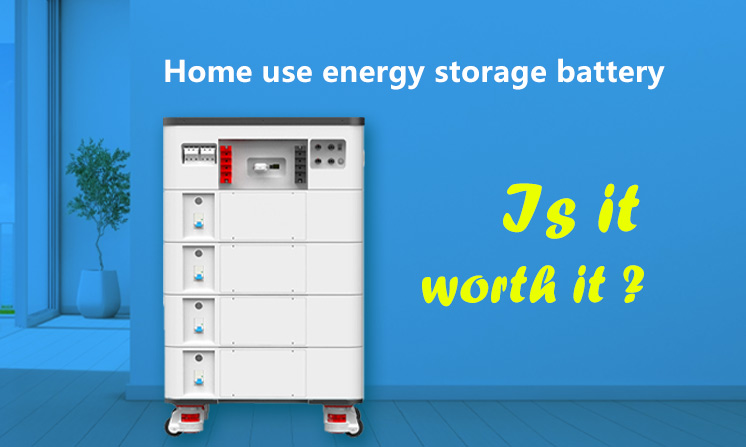
  • Is it worth using energy storage batteries at home?
    Is it worth using energy storage batteries at home? Jun 25, 2025
    P Peter Lu Energy Storage Product Manager, GreenMore Whether a home energy storage battery is worth it depends on three things: your electricity tariff structure, your solar generation profile (if you have panels), and how you value backup power. There is no single answer that applies to every household, but there is a clear way to work it out for your situation. The three value streams of a home battery A home battery can create value in up to three ways. Most installations capture one or two of them; capturing all three is possible but depends on the local tariff design and grid rules. Value stream How it works Where it matters most Solar self-consumption Stores excess solar that would otherwise be exported at a low feed-in tariff, and uses it in the evening instead of importing from the grid Markets with low or zero feed-in tariffs and high retail electricity prices Time-of-use arbitrage Charges from the grid during off-peak hours and discharges during peak hours, capturing the tariff spread Markets with a wide peak-to-off-peak spread, with or without solar Backup power Keeps essential loads running during a grid outage Areas with frequent or long outages; the value is insurance, not direct cash savings The payback calculation is simplest for self-consumption and time-of-use arbitrage, because both produce a measurable kWh saving per year. Backup value is real but harder to quantify — it depends on how often outages happen, how long they last, and what you lose when the power goes out. When a home battery usually pays for itself A home battery is most likely to make financial sense when several of the following conditions are true: High retail electricity price. The more you pay per kWh from the grid, the more each self-consumed or arbitrage kWh is worth. Low or zero feed-in tariff. If exporting solar earns little or nothing, storing it for your own use becomes the better option. Wide peak-to-off-peak spread. A spread of 2× or more between peak and off-peak tariffs makes time-of-use arbitrage attractive even without solar. Frequent or long grid outages. If outages cost you money (spoiled food, lost work, damaged equipment) or create safety concerns, the backup value alone can justify the investment. Available incentives. Some markets offer rebates, tax credits or favorable financing for home storage. These directly shorten the payback period. When a home battery is harder to justify Conversely, a home battery may not be the best use of capital when: Electricity is cheap and stable. If your retail tariff is low and outages are rare, the annual savings from a battery may not cover the upfront cost within the product's useful life. Feed-in tariffs are generous. If you are paid close to the retail rate for exported solar, the benefit of storing it yourself is smaller. Your evening load is small. A battery sized for self-consumption needs enough evening load to discharge through. If most of your usage is during the day, the battery may sit idle. You are renting or planning to move soon. The payback period is typically measured in years; a short remaining time at the property reduces the return. How to estimate payback for your home A simple framework for self-consumption payback: Annual saving ≈ Self-consumed kWh per year × (Retail tariff − Feed-in tariff)Simple payback (years) ≈ Installed cost ÷ Annual saving The self-consumed kWh per year depends on your solar array size, your daily load shape, the battery capacity, and local weather. A rough guide: in a typical single-family home with a 5 kW to 8 kW solar array and a 5 kWh to 10 kWh battery, self-consumption can rise from 30% (solar only) to 60% to 80% (solar plus battery), depending on how much of the evening load the battery can cover. For time-of-use arbitrage without solar, the formula is similar but the "saved" kWh are charged at the off-peak rate and discharged at the peak rate. The annual saving is roughly the daily arbitrage kWh times the tariff spread, times the number of cycle days per year. These are planning estimates. For a site-specific calculation you need your actual electricity bills, solar generation data (if applicable), and the battery's round-trip efficiency from the datasheet. Residential Photovoltaic Storage Integration Four questions to answer before buying What is my main goal? Self-consumption, backup, time-of-use savings, or a combination. The answer drives the minimum size. What is my evening or critical load? List the appliances you want to cover and their wattage. This sets the inverter power and the battery capacity. What are my local tariffs? Retail rate, feed-in tariff, and peak/off-peak spread. Without these numbers you cannot estimate payback. What incentives are available? Check national, regional and utility-level programs. These can change the economics significantly. If you are sizing a system, see our residential range on the stacked energy storage battery page, the all-in-one system page, and the full lineup on the home energy storage category page. For project-specific questions, use the contact page. FAQ How long does it take for a home battery to pay for itself? In markets with high retail tariffs and low feed-in rates, typical payback is 5 to 10 years. In markets with cheap electricity and generous feed-in tariffs, it can be longer than the battery's useful life. Run the numbers with your own bills before deciding. Do I need solar panels to benefit from a home battery? No. A battery without solar can charge from the grid during off-peak hours and discharge during peak hours or outages. The economics depend on the tariff spread and outage frequency, not on solar generation. What size battery does a typical home need? For evening self-consumption in a single-family home, 5 kWh to 10 kWh is a common range. For backup of essential loads, 5 kWh to 15 kWh depending on how many hours of autonomy you want. The right size comes from your actual load profile, not a generic recommendation. How long will a home battery last? A typical LFP home battery delivers several thousand cycles at moderate DoD before capacity drops below 80% of initial. In daily cycling that is roughly 10 to 15 years, but the actual service life depends on usage patterns, DoD, C-rate and operating temperature. Check the cycle curve on the datasheet for the DoD you plan to use. P Written by Peter Lu — Energy Storage Product Manager, GreenMore Peter works with distributors, installers and system integrators to size residential and commercial storage around real load profiles. He focuses on LiFePO4 systems that match the inverter, grid rules and backup needs of each destination market.
  • What preparations should be made before installing an industrial and commercial energy storage system?
    What preparations should be made before installing an industrial and commercial energy storage system? Jun 23, 2025
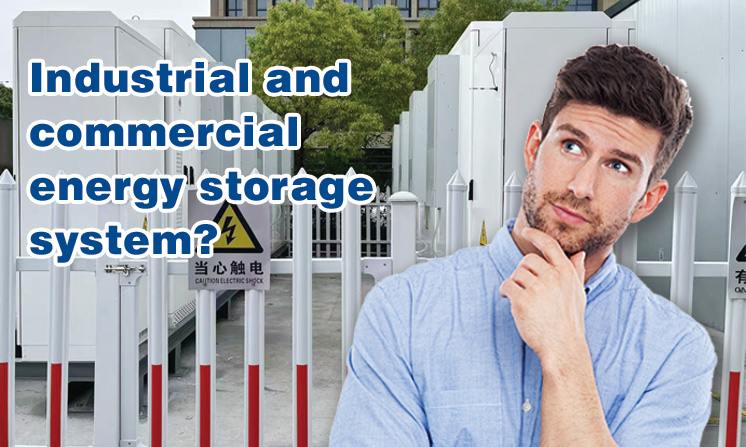
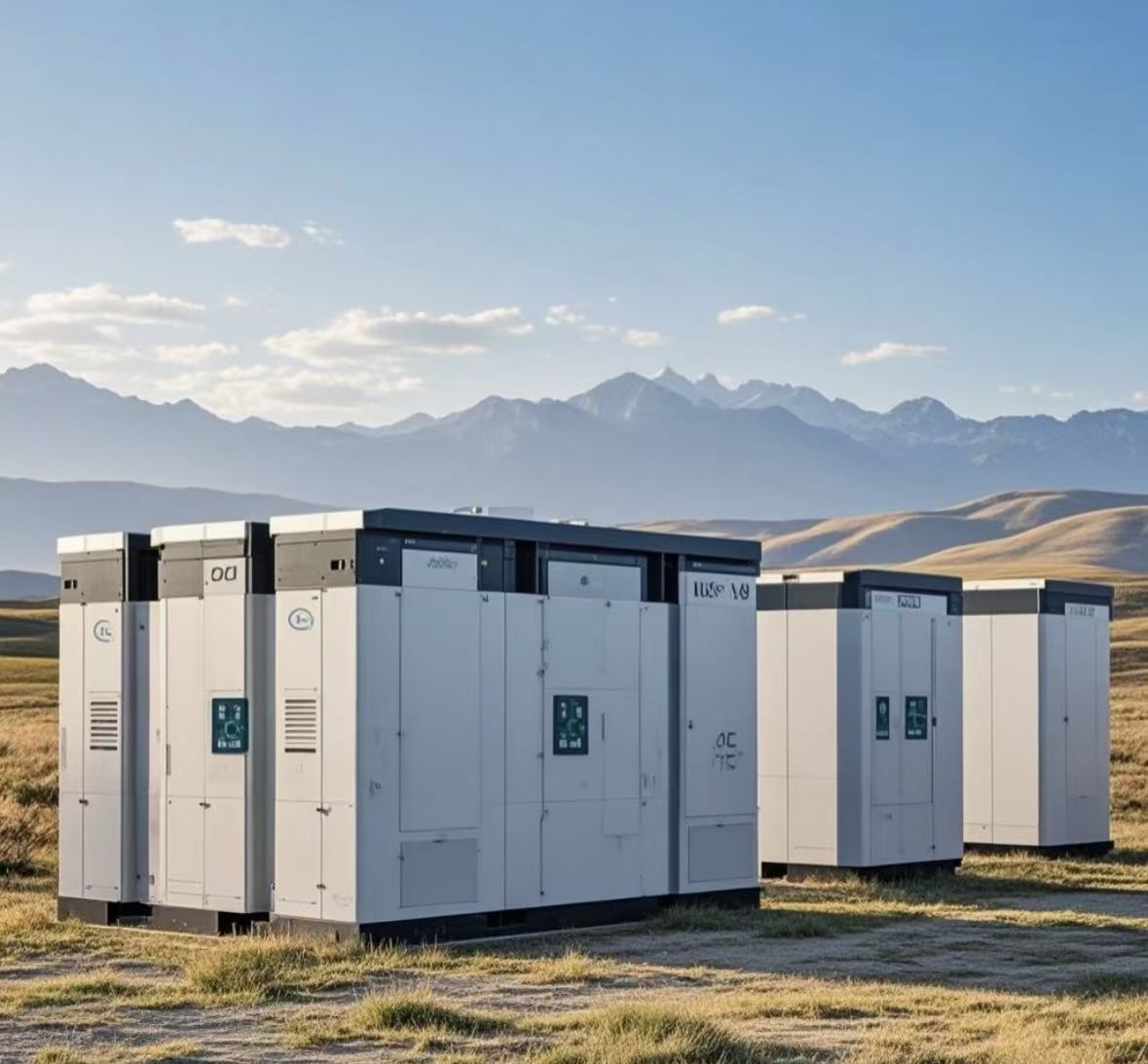
    P Peter Lu Energy Storage Product Manager, GreenMore Installing a commercial or industrial (C&I) energy storage system is a capital project, not a plug-and-play purchase. The technical and commercial outcome depends largely on the preparation done before the first cabinet is delivered. This checklist covers the items that typically determine whether a project succeeds, gets delayed, or gets redesigned halfway through. 1. Tariff and revenue analysis Start with the electricity bill. You need to understand not just the average price per kWh, but the full tariff structure: Time-of-use rates. Identify the peak, shoulder and off-peak periods and the price for each. The spread between peak and off-peak is the primary driver for arbitrage revenue. Demand charges. Many C&I tariffs include a charge based on the maximum kW drawn in a billing period (often a 15-minute or 30-minute window). Energy storage can shave these peaks, but you need to know whether your tariff includes demand charges and how they are calculated. Feed-in or export tariffs. If the system will also export solar energy, know the export rate and any export limits imposed by the grid operator. Future tariff changes. Some markets are moving toward dynamic or real-time pricing. A system sized only for today's tariff may underperform if the structure changes. A simple rule of thumb: if the peak-to-off-peak spread is small (for example, less than 2×), demand charge reduction or backup value may need to carry more of the business case. If the spread is large, arbitrage alone can be attractive. 2. Load profiling A single monthly kWh number is not enough. You need interval data — ideally 15-minute or 30-minute readings over at least 12 months — to understand: Peak demand timing. When do the highest kW draws occur, and how long do they last? This determines the discharge duration needed for demand charge reduction. Load shape by time of day. Does the facility run 24/7, or is it concentrated in business hours? A 24/7 load profile changes the optimal charge-discharge schedule. Seasonal variation. Cooling loads in summer, heating loads in winter, or production cycles can shift the load profile significantly across the year. Critical vs non-critical loads. If backup is part of the scope, identify which circuits must stay powered during an outage and their combined wattage. If interval data is not available, a qualified installer can install a temporary logger for a few weeks to capture the load shape. Do not skip this step — sizing without load data is the most common cause of underperformance. 3. Transformer and grid connection The existing transformer sets a hard ceiling on how much power the site can draw from or export to the grid. Before specifying the storage system, confirm: Transformer rated capacity (kVA). The storage system's charge power, added to the site's existing peak load, must not exceed the transformer rating. Available headroom. If the transformer is already near full load during peak hours, the storage system may need to charge during off-peak hours only, which constrains the operating strategy. Future load growth. If the facility plans to add equipment, EV chargers or production lines, the transformer may need upgrading. Size the storage system with the future transformer capacity in mind, or plan for a coordinated upgrade. Grid operator requirements. Many utilities require an interconnection study, protection coordination review, or specific metering for storage systems above a certain size. Start this process early — it can take weeks or months. 4. Site survey and physical installation C&I energy storage cabinets are heavy, generate heat, and carry high-voltage DC. The installation site must meet several requirements: Item What to check Floor loading capacity Cabinets can weigh several tons. Confirm the floor slab can support the distributed and point loads. Clearances and access Maintenance access around each cabinet, cable routing paths, and crane or forklift access for delivery. Ventilation and cooling Air-cooled cabinets need adequate airflow; liquid-cooled cabinets need a cooling water supply and drain. Check ambient temperature limits from the datasheet. Fire separation Distance from buildings, fire walls, sprinkler coverage, and fire detection systems as required by local fire codes. IP rating and environment Outdoor installations need cabinets rated for the local climate (rain, dust, temperature extremes). Indoor installations need adequate room conditions. Electrical room compatibility If installed inside, the electrical room must meet local codes for battery energy storage systems, which may differ from standard electrical room requirements. Outdoor integrated energy storage cabinet and parallel energy storage power station 5. Permits, codes and insurance Regulatory requirements vary by country and region, but typical items include: Building and electrical permits. Most jurisdictions require permits for the electrical work and, if the system is outdoors or in a dedicated room, possibly a building permit as well. Fire code compliance. Standards such as NFPA 855 (US), IEC 62933 series, or local equivalents define spacing, suppression, detection and ventilation requirements. Confirm which codes apply at your site. Product certifications. The battery system should carry the certifications required in your market (CE, UL, IEC 62619, UN 38.3 for transport, MSDS). Ask for certificates before signing a contract. Insurance. Notify your property insurer before installation. Some policies require specific fire suppression systems or separation distances for battery energy storage. 6. O&M and monitoring plan Plan for operations before the system goes live: Monitoring platform. Confirm what data is visible (SOC, power, temperature, alarms) and who has access. Remote monitoring can catch issues before they become outages. Maintenance schedule. Even LFP systems need periodic inspection: connector torque checks, firmware updates, thermal imaging of busbars, and BMS health checks. Spare parts and warranty terms. Know the warranty duration, what it covers, and the response time for field service. For critical loads, clarify whether a temporary replacement unit is available during repairs. End-of-life plan. Battery capacity degrades over time. Decide in advance whether you will repurpose the batteries for less demanding applications, recycle them, or replace them with new units. If you are scoping a project, see our commercial range on the air-cooled cabinet energy storage system page and the full lineup on the commercial energy storage category page. For project-specific questions, use the contact page. FAQ How long does the preparation phase typically take? For a straightforward site with existing load data and a cooperative utility, 4 to 8 weeks is typical. Sites that need a transformer upgrade, fire code review, or complex interconnection study can take several months. Do I need a new transformer for a C&I storage system? Not always. If the existing transformer has enough headroom to absorb the storage charge power without exceeding its rating, no upgrade is needed. The load profile and charge schedule determine this — it is one of the first things a qualified installer will check. What is the most common mistake in C&I storage projects? Sizing the system without interval load data. A system sized on a monthly kWh number often turns out to be too small to shave peaks or too large to cycle fully every day. Install a temporary logger if you do not have historical interval data. Can the system be expanded later? Many C&I systems are designed with modularity in mind — additional cabinets can be added as load grows or as the business case improves. Confirm with the supplier whether the BMS, PCS and communication architecture support planned expansion before the initial purchase. P Written by Peter Lu — Energy Storage Product Manager, GreenMore Peter works with distributors, installers and system integrators to size residential and commercial storage around real load profiles. He focuses on LiFePO4 systems that match the inverter, grid rules and backup needs of each destination market.
  • How much does a 20kwh solar battery cost ?
    How much does a 20kwh solar battery cost ? Jun 13, 2025
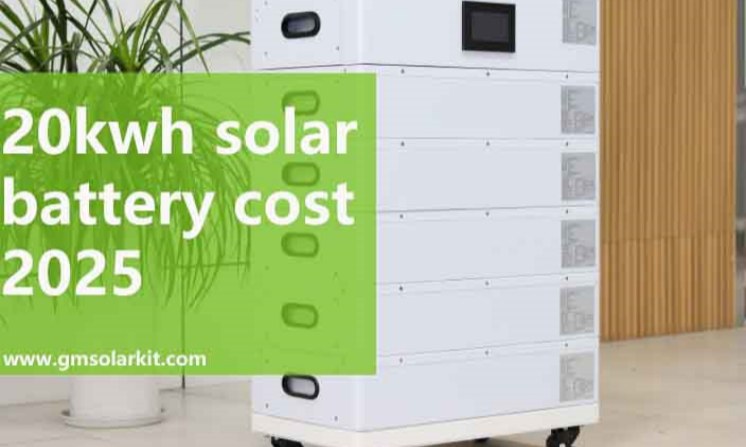
    P Peter Lu Energy Storage Product Manager, GreenMore A 20 kWh solar battery is a common size for larger homes, small businesses and off-grid systems that need meaningful backup autonomy. But "20 kWh" alone does not tell you what you are paying for. Two 20 kWh systems can differ significantly in price because the capacity number hides several cost drivers. This article breaks down what actually determines the price and gives you a framework for comparing quotes. What "20 kWh" actually means The first distinction is between nameplate capacity and usable capacity. A battery rated at 20 kWh nameplate with an 80% depth of discharge (DoD) gives you 16 kWh of usable energy. A battery rated at 20 kWh nameplate with a 95% DoD gives you 19 kWh usable. When comparing prices, always divide the price by the usable capacity, not the nameplate capacity, to get a fair cost per usable kWh. Usable capacity = Nameplate capacity × DoDCost per usable kWh = Total price ÷ Usable capacity Cost drivers for a 20 kWh system Cost driver How it affects price Cell chemistry LFP cells are generally less expensive per cycle than NMC because they last longer, but the upfront $/kWh can vary. NMC may be cheaper upfront in some markets but delivers fewer total cycles at high DoD. Cell format Large prismatic cells (common in stationary storage) are cheaper per kWh than cylindrical cells (common in EVs). The format also affects pack assembly cost. Inverter included or not An all-in-one system with a built-in hybrid inverter costs more upfront than a battery-only unit, but the combined price is usually lower than buying them separately. Check whether the quote includes the inverter. DoD and cycle life A pack rated for 6,000 cycles at 80% DoD uses higher-grade cells and a more conservative BMS than a pack rated for 3,000 cycles at 100% DoD. The price difference reflects this. Certifications CE, IEC 62619, UL, UN 38.3 and regional grid-code certifications add testing and documentation cost. Uncertified products may be cheaper but cannot be legally installed in many markets. Enclosure and cooling Wall-mounted units with passive cooling are the least expensive form factor. Rack-mounted or cabinet systems with liquid cooling cost more but scale better and handle higher continuous power. Communication and software BMS with RS485, CAN or Wi-Fi, plus a monitoring app or portal, adds cost. For a home system this is usually worth it; for a basic backup-only setup it may be optional. Installation and balance of system Cabling, breakers, disconnects, mounting hardware and labor are separate from the equipment price in many quotes. Ask whether the quote is equipment-only or turnkey. Why published price ranges are unreliable You will see articles and videos quoting a price range for a "20 kWh solar battery." Treat any single number or narrow range with caution, for several reasons: Prices change with raw material costs. Lithium carbonate, copper and aluminum prices fluctuate. A range that was accurate six months ago may no longer apply. Equipment-only vs turnkey. Some quotes include installation, permits and commissioning; others are equipment-only. The difference can be 20% to 40% of the total. Regional differences. Import duties, local certifications, shipping and distributor margins vary by country. A price that applies in one market may not apply in another. Incentives and rebates. Some markets offer subsidies that reduce the net cost. Others do not. The "list price" and the "net price after incentives" can be very different. Rather than relying on a published range, the most useful approach is to request quotes from two or three suppliers for your specific situation and compare them on a cost-per-usable-kWh basis, with the same scope (equipment-only or turnkey) on each side. Residential solar tiles and power supply structure principles How to compare quotes fairly When you have two or three quotes in hand, normalize them against these items: Usable kWh, not nameplate. Recalculate each quote as price per usable kWh (price ÷ nameplate × DoD). Same scope. Confirm whether each quote is equipment-only or includes installation, permits and commissioning. Inverter included. If one quote includes a hybrid inverter and another does not, add the inverter cost to the second quote before comparing. Warranty terms. Compare warranty duration, what capacity retention is guaranteed, and whether labor is included in warranty service. Certifications. Confirm that each system carries the certifications required in your market. An uncertified system may be cheaper but cannot be legally installed. After-sales support. Check response time for field service, availability of spare parts, and whether remote diagnostics are included. If you are requesting a quote, see our residential range on the home solar battery system page, the wall-mounted home battery page, and the full lineup on the home energy storage category page. For project-specific pricing, use the contact page. FAQ Is a 20 kWh battery enough for a home? For most single-family homes, 20 kWh covers evening self-consumption from a 5 kW to 10 kW solar array and provides 4 to 8 hours of backup for essential loads. Larger homes with high evening loads or longer backup requirements may need more. Should I buy a 20 kWh system as one unit or as stacked modules? Stacked modules give you flexibility to start smaller and add capacity later. A single 20 kWh cabinet is usually more compact and may have a lower cost per kWh, but it cannot be expanded. The right choice depends on whether you expect your needs to grow. Does the price include installation? Not always. Some suppliers quote equipment-only prices; others offer turnkey quotes that include installation, permits and commissioning. Always ask which scope the price covers before comparing. How do raw material prices affect the cost of a 20 kWh battery? Lithium carbonate is the main raw material cost driver for LFP cells. When lithium carbonate prices rise, cell prices rise with a lag of a few months. Copper and aluminum affect busbar and enclosure costs. These fluctuations are passed through to the final price, which is why published price ranges have a short shelf life. P Written by Peter Lu — Energy Storage Product Manager, GreenMore Peter works with distributors, installers and system integrators to size residential and commercial storage around real load profiles. He focuses on LiFePO4 systems that match the inverter, grid rules and backup needs of each destination market.
  • How do I add battery storage to my solar system?
    How do I add battery storage to my solar system? Jun 11, 2025
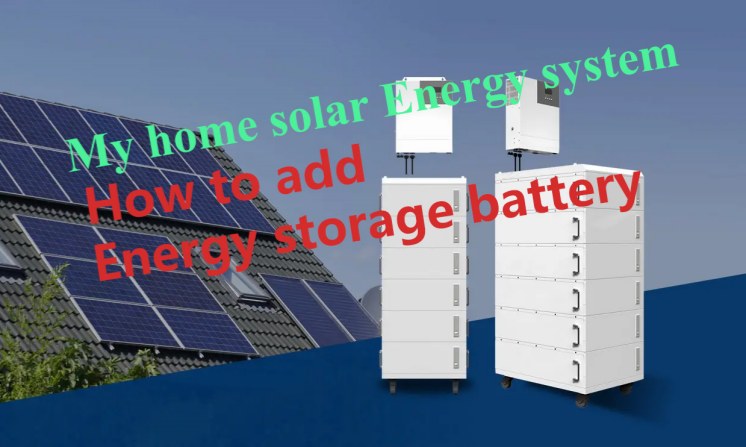
    P Peter Lu Energy Storage Product Manager, GreenMore Adding battery storage to a solar system is possible in most cases, but the path depends on what inverter you have today. Some systems are battery-ready and accept a DC-coupled battery directly; others need a second inverter for an AC-coupled retrofit. The first job is to identify which situation you are in, then choose the battery type, capacity and operating mode that match your goals. Why add a battery in the first place A battery changes what you can do with the solar energy you generate. The typical reasons are: Higher solar self-consumption. Store excess daytime generation instead of exporting it, and use it in the evening. Time-of-use savings. Shift stored energy into peak tariff periods to reduce grid imports. Backup power. Keep essential loads running during an outage — but only if the inverter and battery are configured for backup. A standard grid-tied battery system shuts down during an outage unless it has backup capability and an islanding relay. Be clear about which of these is your main goal. Backup, in particular, has specific hardware requirements and cannot be assumed from "solar plus battery" alone. The key question: what inverter do you have? Your existing inverter determines how the battery connects. There are three common situations. Existing setup How a battery is added Hybrid or battery-ready inverter (has a DC battery port or battery terminals) DC-coupled battery connects directly to the inverter. This is the cleanest retrofit if the battery is on the inverter's compatibility list. Standard grid-tied string inverter (no battery port) AC-coupled retrofit: keep the existing inverter and add a battery storage inverter (often called a battery inverter or storage system) on the AC side. Alternatively, replace the inverter with a hybrid unit and fit a DC-coupled battery. Microinverter or optimizer system AC-coupled only. Each panel already converts DC to AC at the module level, so the battery connects through a separate AC battery system. DC-coupled vs AC-coupled The two coupling methods describe where the battery sits relative to the inverter. Both work, but they have different efficiency, cost and retrofit implications. Attribute DC-coupled AC-coupled Connection Battery connects on the DC side, sharing one hybrid inverter with the solar array Battery has its own inverter and connects on the AC side alongside the existing solar inverter Efficiency One DC-to-AC conversion for stored solar; slightly higher round-trip efficiency Solar is converted to AC, then back to DC for storage, then to AC again; more conversion steps Retrofit suitability Best for new builds or when replacing the inverter Best for retrofits where the existing inverter is young and working well Cost Single inverter; often lower total cost if you are starting fresh Two inverters; but avoids replacing a working unit If your existing inverter is near the end of its warranty or you already planned to replace it, moving to a hybrid inverter with DC-coupled storage is usually the tidier solution. If the inverter is relatively new and efficient, AC coupling preserves that investment. Off-grid/grid-connected solar energy storage architecture principles Choosing the battery form factor Stationary home batteries come in three common forms. The choice depends on available space, future expansion plans and how much of the system you want integrated. Form factor Best for Wall-mounted battery Limited floor space; garage or utility-room walls; fixed capacity Stacked (modular) battery Starting small and adding modules later; capacity growth without extra footprint All-in-one system (battery + hybrid inverter integrated) Simplest installation and commissioning; single supplier responsibility Sizing the battery Capacity should follow your load profile and goal, not the largest unit available. For self-consumption: size usable capacity around the evening load that is not covered by solar — commonly 5 kWh to 15 kWh for a single-family home. For backup: list critical loads and multiply wattage by required hours of autonomy, then divide by DoD and inverter efficiency. Check power, not just energy. The battery and inverter must deliver enough continuous kW for simultaneous loads and enough peak kW for motor starting. A large kWh battery with a small inverter still cannot run the whole house at once. LFP (LiFePO4) is the standard chemistry for stationary storage because of its cycle life and thermal stability. The exact cycle count depends on DoD and operating conditions, so compare cycle curves on the datasheet rather than relying on a single headline number. Installation steps Audit the existing system. Record inverter model, PV array size, system voltage, and confirm whether the inverter is battery-compatible. Gather interval electricity use if possible. Confirm compatibility and permits. Verify the battery is on the inverter's approved list (for DC coupling) or that the two inverters are configured for AC coupling. Check local permits and grid interconnection rules. Install and commission. Mount the battery, run DC or AC cabling with proper protection, and configure charge/discharge settings and backup transfer if applicable. Set the operating mode and schedule. Self-consumption, time-of-use or backup priority — and review performance after the first few weeks against the expected savings. Battery work involves high-voltage DC and grid-connected wiring; it should be carried out by a qualified installer who can also certify the installation for warranty and insurance purposes. To explore options, start with the all-in-one energy storage system, the off-grid solar storage system, and the full lineup on the home energy storage category page. For help deciding between DC and AC coupling, use the contact page. FAQ Can I add a battery to any existing solar system? Almost always, but not always in the same way. Hybrid inverters accept a DC-coupled battery; standard string inverters and microinverter systems need an AC-coupled battery system. In rare cases an inverter is so old or proprietary that replacing it with a hybrid unit is the most practical route. Will my battery power the house during an outage? Only if the system is designed for it. A grid-tied battery without backup certification and an islanding relay must shut down during an outage for safety. If backup is important, specify backup-capable hardware and decide which circuits are protected. Is it better to replace my inverter or add an AC-coupled battery? If the inverter is within its warranty and working well, AC coupling usually makes sense and avoids waste. If it is aging, inefficient, or out of warranty, replacing it with a hybrid inverter and a DC-coupled battery gives a cleaner, single-system solution. How long can a battery run my home without solar or grid? It depends on the battery capacity and which loads you keep on. A 10 kWh battery might run essential loads (fridge, lights, internet, communications) for roughly 8 to 12 hours; a 20 kWh battery roughly double that. These are rough estimates — the real number comes from your actual load wattage and the battery's DoD. P Written by Peter Lu — Energy Storage Product Manager, GreenMore Peter works with distributors, installers and system integrators to size residential and commercial storage around real load profiles. He focuses on LiFePO4 systems that match the inverter, grid rules and backup needs of each destination market.
  • How to Choose a Home Backup Power System?
    How to Choose a Home Backup Power System? Jun 03, 2025
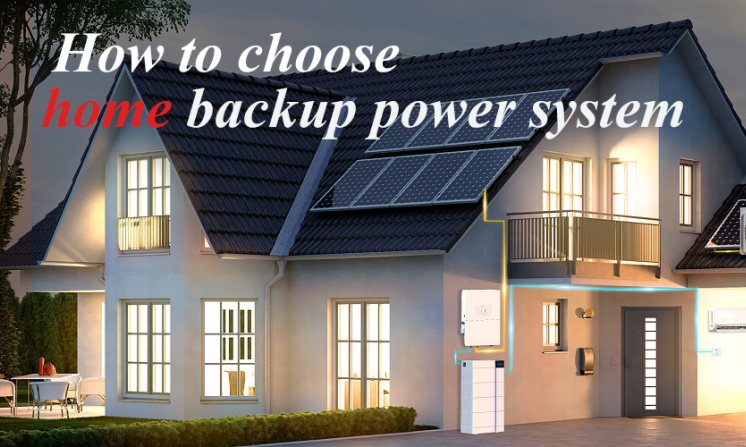
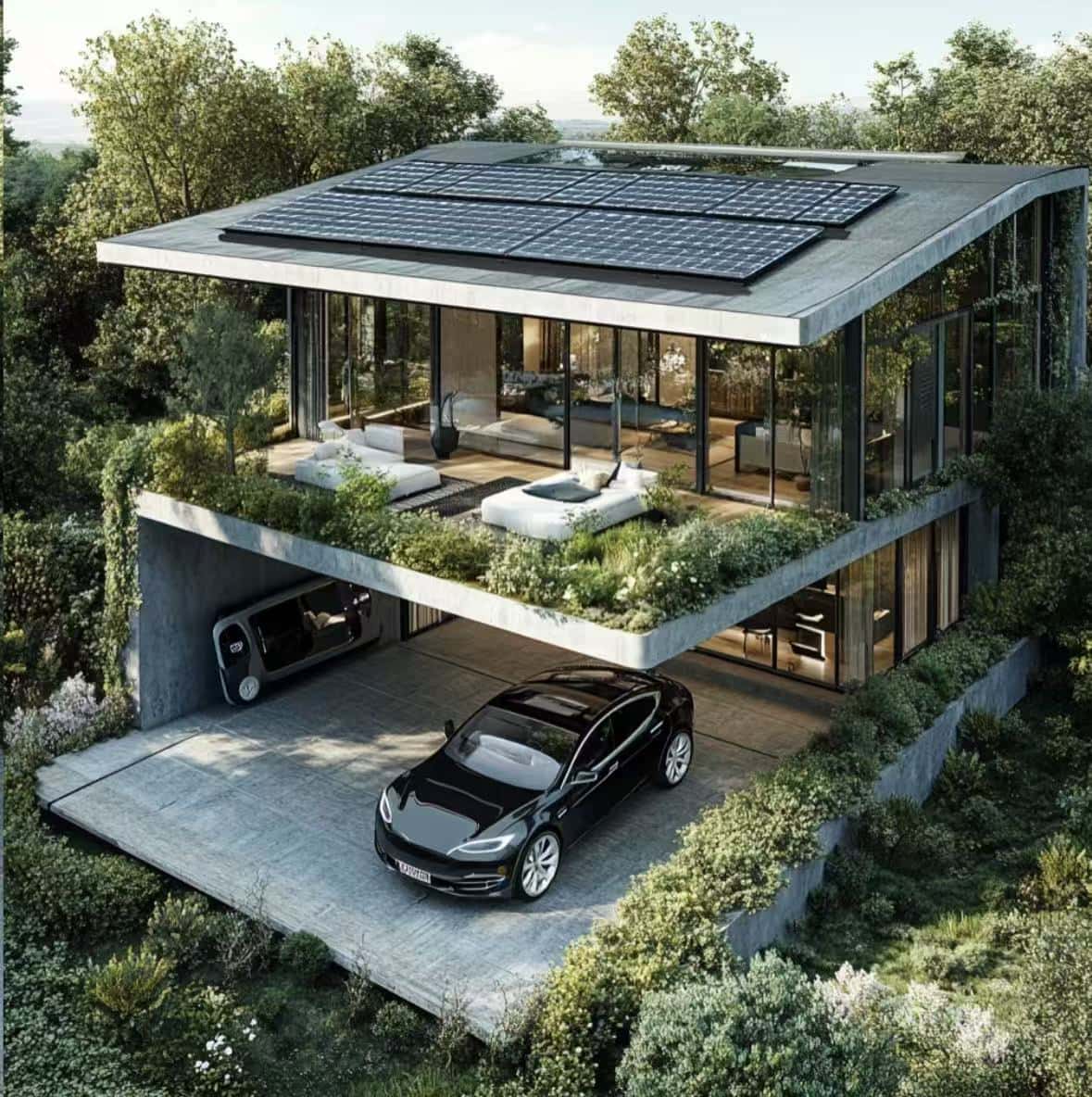
    P Peter Lu Energy Storage Product Manager, GreenMore Backup power is no longer just for off-grid homes. Storms, grid maintenance and peak-demand strain make outages common enough that many households want automatic power for the fridge, lights, internet and heating controls. Choosing the right system is mainly two decisions: what must keep running, and for how long. Step 1: List your essential loads Start with the devices you cannot do without during an outage, and note both their running watts and starting watts. Motor-driven appliances draw several times their running power at startup. Load Typical running power Notes LED lighting 100–400 W Depends on how many rooms are lit Refrigerator 100–250 W Compressor cycles; startup surge of 2–3x Router and networking 20–50 W Low draw but essential for home office Heating or cooling controls and fans 300–1,000 W Furnace blowers and well pumps often surprise buyers Medical equipment Device-specific Must be treated as non-negotiable and sized conservatively Figures vary by model; check the nameplate ratings of your own appliances rather than using generic numbers. The total of simultaneous running watts sets the inverter size, and the largest startup surge sets the peak power requirement. Step 2: Decide between essential-loads and whole-home backup There are two architectures, and they differ substantially in cost. Essential-loads backup. Selected circuits run through a subpanel (often called a critical load panel). This covers the fridge, lights, internet and heating controls at a fraction of the cost of full backup. Whole-home backup. The entire electrical panel is backed up. This needs a much larger inverter and battery bank, and may require coordination with the service entrance and an interlock or transfer switch. Most households are well served by essential-loads backup. Whole-home makes sense if you regularly run high-power loads during outages — electric cooking, EV charging, central air conditioning — or simply want no change in daily life when the grid is down. Step 3: Estimate capacity and runtime Battery capacity determines how long the loads run. A simple estimate: Required usable kWh = (total running W × hours of runtime) ÷ 1,000 ÷ DoD ÷ inverter efficiency Example: 700 W of essential loads for 12 hours = 8.4 kWh of energy. At 90% DoD and 94% inverter efficiency, installed usable capacity of about 10 kWh is needed. As rough guidance, a 5–10 kWh battery handles short outages and a few essential circuits; 15–20 kWh or more suits longer outages or whole-home coverage. These are starting points — the load calculation above is the real basis. If you have solar, a backup battery can recharge from the panels during the day, extending runtime well past the nameplate capacity. Confirm the inverter supports off-grid solar charging; some systems can only charge from the grid. Integrated residential photovoltaic, energy storage, and charging system Step 4: Battery backup vs generator Generators still have a place, especially for very long outages, but battery systems suit most modern homes. Attribute Battery system Fuel generator Startup Automatic, usually under a second 10–30 seconds for auto-start units; manual start otherwise Noise and emissions Silent, no exhaust Noisy; exhaust requires outdoor placement and ventilation Maintenance Minimal; periodic inspection Oil, filters, fuel treatment and exercise runs Runtime Limited by capacity; extends with solar Runs as long as fuel is available Everyday value Also does self-consumption and time-of-use savings Backup only; sits idle between outages A hybrid approach is increasingly common: a battery handles typical outages silently and automatically, while an optional generator connects for rare multi-day events. Many battery inverters support a generator input for exactly this setup. Step 5: Choose the battery form factor Wall-mounted battery — fits garages and utility rooms, uses no floor space, fixed capacity. Stacked modular battery — add modules later as needs grow; useful when future expansion is expected. Integrated battery and inverter — one unit, simpler commissioning and single-point support. LiFePO4 is the standard chemistry for stationary backup, with long cycle life and good thermal stability. Compare warranties with their DoD and cycle conditions — headline numbers without test conditions are not directly comparable. Step 6: Plan installation and transfer switching An automatic transfer switch (or the built-in transfer function of a backup inverter) disconnects from the grid before powering the house, which protects utility workers. A critical-load subpanel keeps the backed-up circuits separate from the rest. Check local permits, electrical code requirements and utility interconnection rules before purchase. Installation involves high-voltage wiring and panel work; use a licensed installer and keep the commissioning report for the warranty. Browse the full range on the home energy storage category page. For sizing help with your own load list, reach out through the contact page, and see how runtime plays out in the related article on how long a 10 kWh battery lasts. FAQ How big of a backup system does a typical home need? For essential circuits, a 5–10 kWh battery with a 3–5 kW inverter covers most short outages. Whole-home backup typically requires 15–20 kWh or more and a larger inverter. Do the load calculation with your own appliances before buying; these ranges are starting points, not specifications. Can a home battery run an air conditioner or electric heating? Yes if the inverter can handle both the running power and startup surge. Central air conditioning, electric furnaces and water heaters are high-power loads and will drain the battery quickly, which is why they are often excluded from essential-load panels. Check peak power ratings carefully. Do I need a generator if I have a battery? Not for short outages, especially with solar to recharge. For regions that see multi-day outages in winter, when solar generation is limited, a generator as a backup charging source is worth considering. Many systems accept both. Does the system switch on automatically during an outage? Backup-capable battery inverters with a transfer function switch automatically, usually in well under a second. Some basic storage systems are not backup-certified and shut down when the grid fails, so confirm backup capability before purchase — it is not automatic for every battery. P Written by Peter Lu — Energy Storage Product Manager, GreenMore Peter helps households and installers size backup systems around actual load lists and outage durations, from single-circuit essentials to whole-home coverage with solar and optional generator support.
  • How long does a 10KWh battery last for a family?
    How long does a 10KWh battery last for a family? May 25, 2025
    P Peter Lu Energy Storage Product Manager, GreenMore "How long does a 10 kWh battery last?" usually means one of two things: how many hours it powers the house during an outage, or how many years it lasts before replacement. The answers are different, and both start with the same distinction — a 10 kWh nameplate rating is not 10 kWh of usable energy. Nameplate vs usable capacity Batteries are not fully discharged in normal use. Repeatedly draining to zero accelerates wear, so manufacturers specify a depth of discharge (DoD) limit. For a typical LiFePO4 home battery, DoD is around 90–95%. Usable capacity = nameplate capacity × DoD A 10 kWh battery at 90% DoD delivers about 9 kWh of usable energy. Inverter efficiency (commonly 90–95%) reduces the energy reaching your outlets a little further, to roughly 8–8.5 kWh in practice. Always check which figure a seller quotes. Two "10 kWh" batteries can offer different usable energy if their DoD limits differ. The basic runtime formula Runtime (hours) = usable capacity (kWh) ÷ total load (kW) So the same 10 kWh battery lasts a long time powering a few low-wattage devices and a short time running the whole house. Individual appliances illustrate the point: Load Power Runtime on ~9 kWh usable LED lighting (several rooms) 100–300 W 30–90 hours Refrigerator 100–200 W while cycling 1–2 days (compressor cycles on and off) Router, TV and computer 150–300 W 30–60 hours Microwave 1,000 W About 9 hours of actual running time Air conditioner 1,000–2,000 W 4–9 hours These are single-load illustrations. In a real outage, several devices run at once and the hours add down, not up. Realistic outage scenarios Scenario Typical combined load Runtime on a 10 kWh battery Essential circuits only — fridge, lights, router, heating controls 400–800 W Roughly 11–22 hours Comfortable evening at home — cooking, TV, multiple rooms lit 1.5–2.5 kW Roughly 3.5–6 hours Whole home including air conditioning 3–5 kW Roughly 1.5–3 hours This is why a 10 kWh battery is usually paired with a critical-load panel rather than the whole house: covering everything at normal consumption empties it quickly. Schematic diagram of integrated photovoltaic, energy storage and charging system in residential buildings Solar changes the answer All the figures above assume no recharge. With solar, the battery refills during the day, so an outage is measured in weather and generation, not just in stored hours. A 10 kWh battery with a properly sized array can sustain essential loads through several days of interrupted grid supply — provided the inverter supports off-grid solar charging and the outage includes sunny days. In ordinary day-to-day operation, the battery is rarely emptied at all. The typical pattern is one partial cycle per day: charge from solar or off-peak grid, discharge over the evening, and start again the next morning. That routine matters for the second meaning of "how long it lasts". How many years does a 10 kWh battery last? LiFePO4 home batteries are commonly warranted for 10 years or a specified number of cycles, whichever comes first, with a capacity-retention guarantee (often around 70–80% of original capacity). The real service life depends on how the battery is treated: Cycle depth. Shallow daily cycles cause less wear than regular full discharges. Temperature. Batteries kept in a cool, dry space within the manufacturer's range last longer; sustained heat is the main enemy. Charge and discharge rate. Staying within rated C-rates avoids heat and cell stress. Cycle-life figures are only comparable when their DoD and test conditions are stated. A headline cycle count without those conditions does not tell you much. Is 10 kWh the right size? For a typical family focused on evening self-consumption and short-outage backup, 10 kWh is a common middle ground. If your outages are long and frequent, or you want whole-home coverage, 15–20 kWh or a modular system you can expand later is more appropriate. Size from your own load list rather than from average-household tables. Browse storage options on the products page and the home energy storage category page. For choosing what to back up, see the guide on choosing a home backup power system, and for larger capacity, the breakdown of 20 kWh battery costs. For help with a load list, use the contact page. FAQ Can a 10 kWh battery run a house for 24 hours? Only if the house draws about 350 W or less on average over the day — roughly essential loads like fridge, lighting, internet and heating controls. Normal whole-house consumption of 2–5 kW during waking hours empties a 10 kWh battery in a few hours. With solar recharging the next day, 24-plus hours of essential-load coverage is realistic. Why does my 10 kWh battery only show about 9 kWh available? Because of the DoD limit. The battery reserves roughly 5–10% to protect the cells, and the inverter consumes a little energy in conversion. Nameplate and usable capacity are different figures by design. How long will a 10 kWh battery run a refrigerator? A modern fridge cycles on and off and uses roughly 1–1.5 kWh per day, so a 10 kWh battery can keep it running for several days if it is nearly the only load. Add lights, internet and heating controls, and that drops to about a day of outage coverage. Will a 10 kWh battery last long enough to be worth it? In normal solar-plus-storage use — one shallow daily cycle — a LiFePO4 battery is typically designed for roughly 10 years or more of service and is warranted on that basis. Keep it within its DoD, C-rate and temperature ranges, and the battery should reach its warranted capacity retention without unusual degradation. P Written by Peter Lu — Energy Storage Product Manager, GreenMore Peter helps households and installers translate load lists and outage history into battery capacity, and explains usable capacity, DoD and cycle conditions in plain terms so quoted runtimes match real-world use.
  • What is a container energy storage system?
    What is a container energy storage system? May 07, 2025
    P Peter Lu Energy Storage Product Manager, GreenMore A container energy storage system is a complete battery plant built inside a standard shipping-container-sized enclosure. Batteries, power conversion, controls, cooling and fire protection arrive pre-assembled and pre-tested, so the unit can be trucked to site, set on a foundation and connected. It is the standard format when storage is measured in hundreds of kWh or MWh rather than the single units used in homes. What is inside the container A containerized battery energy storage system (BESS) is far more than racks of cells. It integrates everything needed to operate safely and connect to the grid: Subsystem Role Battery racks and modules Store the energy; LiFePO4 is the dominant chemistry for stationary systems BMS (battery management system) Monitors cell voltage and temperature, balances cells, and limits charge and discharge PCS (power conversion system) Converts battery DC to grid AC and back, and controls real and reactive power Thermal management Forced-air or liquid cooling keeps batteries within their temperature range Fire detection and suppression Smoke, heat and gas detectors plus aerosol or gaseous suppression, with alarms and controlled shutdown EMS and controls Runs operating schedules, communicates with site SCADA, and logs performance and faults Enclosure and electrical gear Weatherproof steel structure, HVAC louvers, busbars, protection devices and isolation points Cross-sectional view of large container energy storage Why projects use containers Factory integration. Assembly, wiring and testing happen in the factory, reducing site work and commissioning risk. Transport and deployment. The enclosure moves by standard truck, ship or rail, and several containers can be sited side by side to scale a project into the MWh range. Outdoor rated. Industrial enclosures with IP-rated sealing are designed for dust, rain and corrosion; the exact rating and climate options are specified per project. Repeatability. Identical units make multi-MWh sites easier to design, permit and maintain. Cabinet vs container The terms describe scale, and choosing correctly avoids overbuying. Attribute Outdoor cabinet Container system Typical capacity Roughly 50–300 kWh Roughly 0.5–5 MWh per unit; more when paralleled Typical site Factories, shops, small C&I facilities Large C&I, substations, renewables plants, microgrids Footprint and siting Single cabinet, small pad Foundation or concrete pad, crane placement, service access Ranges vary by manufacturer and product generation; treat them as a guide rather than a specification. Typical applications C&I peak management. Discharge during peak tariff periods and charge off-peak to lower demand charges and energy costs. Renewables integration. Absorb excess solar or wind output and smooth the variability of generation before it reaches the grid. Microgrids and weak-grid areas. Combine with solar or wind to stabilize supply in remote sites, islands or areas with unreliable grids. Facility backup. Support critical infrastructure where long-duration, automatic backup matters. Air cooling vs liquid cooling Thermal design is one of the most important choices because temperature drives battery life. Air cooling is simpler and lower cost, and suits moderate climates and lower charge/discharge rates. Liquid cooling keeps cell temperatures more even, supports higher power throughput and hot climates, and generally helps preserve cycle life; it adds cost and a coolant loop to maintain. If the system will cycle daily at high power or sit in a hot climate, liquid cooling is usually the safer long-term choice. How to specify one Capacity and power separately. Define usable kWh for the required duration, and kW (continuous and peak) for the loads and grid services involved. Confirm cycle conditions. Compare cycle-life and warranty figures with their DoD and test conditions stated; a single headline number is not comparable. Check standards and grid requirements. Storage units are commonly certified to CE, IEC, MSDS and UN38.3 for transport and deployment, with grid-code compliance defined by the destination country. Plan siting and safety codes. Foundation loads, clearance for service and ventilation, fire separation and emergency access must follow local codes such as NFPA 855 and IEC 62933 where applicable. Site and grid preparation is a project in itself; a pre-installation checklist covering load data, transformer capacity and permits is worth completing before ordering. For smaller facilities, see the air-cooled cabinet storage system. The full commercial lineup is on the commercial energy storage category page, and before ordering it is worth working through the C&I pre-installation checklist. For project-specific sizing, use the contact page. FAQ How much energy does a storage container hold? Common single containers range from roughly 0.5 MWh to about 5 MWh, depending on cell generation, cooling design and internal layout. Larger projects parallel multiple containers to reach tens or hundreds of MWh. The exact figure for any unit comes from its datasheet. Does a container BESS need a building? No — it is designed to sit outdoors on a suitable foundation or concrete pad. It does require crane access for placement, clearance around vents and doors, and compliance with local fire setbacks and safety codes. What happens if a battery cell overheats? The BMS detects abnormal voltage or temperature and reduces power or shuts the affected circuit down. Smoke, heat and gas detectors trigger alarms and the suppression system, while compartment separation and ventilation are designed to limit spread. These defenses are defined by the unit's design and the site's safety code, which is why certified installation matters. How long does a container BESS last? Stationary LiFePO4 systems are commonly designed for daily cycling over roughly 10 years or more, with warranties defined by cycles, years and a capacity-retention figure. Actual life depends mainly on cycle depth, operating temperature and charge rate, so cooling choice and operating schedule have a direct effect. P Written by Peter Lu — Energy Storage Product Manager, GreenMore Peter supports distributors and EPCs on cabinet- and container-scale projects, matching capacity, power, cooling and safety standards to site conditions and destination grid codes.
  • What size solar system do I need for my home?
    What size solar system do I need for my home? Sep 27, 2026
    L Luke Product Manager, GreenMore · BIPV solar tiles & roof systems Almost every homeowner planning solar hits the same question first: how big a system do I actually need? Buy too small and the bills barely move. Buy too large and money sits on the roof as generation you cannot use. The good news is that sizing is not a mystery — it follows from two numbers you can find yourself: how much electricity your home uses each day, and how much sun your location gets. This guide walks through the calculation, shows worked examples and explains how a battery changes the answer. Step 1: Find Your Daily Electricity Use Start with kilowatt-hours (kWh), not the number of panels. There are two straightforward ways to get your average daily figure. Use your electricity bill Most utilities show monthly or annual usage in kWh. Take a full year if you can, because heating and cooling vary with the seasons, then divide to get a daily average: Daily use (kWh) = annual use (kWh) ÷ 365or monthly use (kWh) ÷ 30 Example: a home using 3,650 kWh a year uses about 10 kWh a day. Add up your appliances If no bill is available, list each appliance’s power in watts, multiply by its daily running hours and add them up. Remember that fridges and air conditioners cycle on and off, so use their average running time rather than 24 hours at full power. The figures below are illustrative. Appliance Power (W) Typical hours/day Daily energy (Wh) Refrigerator 150 8 (cycling) 1,200 Air conditioner 1,500 3 4,500 Lighting 100 6 600 TV and electronics 150 4 600 Washing / kitchen (combined) — — 3,100 Total — — ~10,000 Wh = 10 kWh Step 2: Check Your Peak Sun Hours A solar array is rated by its output under a standard test intensity of 1,000 W/m². The number of hours your location effectively reaches that level is called the peak sun hours (PSH) — it is not the same as total daylight hours. A 1 kW array in a location with 4 peak sun hours produces roughly 4 kWh on an average day. Typical values run from about 3 hours in cloudy northern regions to 5–6 hours in sunnier ones. Use a reliable local solar-resource figure for the exact number rather than a national average. Step 3: Calculate the Array Size A simple “kWh ÷ sun hours” gives a theoretical size, but real systems lose some energy to temperature, wiring, inverter efficiency, dust and slight shading. A performance ratio around 0.8 is a reasonable planning figure, so we add it to the formula: Required array (kW) = daily use (kWh) ÷ peak sun hours ÷ performance ratio (0.8) Example: a home using 10 kWh a day in a 4 peak-sun-hour location: 10 ÷ 4 ÷ 0.8 = 3.125 kW → a roughly 3 kW system, often sized slightly larger at 3.5–4 kW for headroom. Two more worked examples: a 30 kWh/day home with 5 peak sun hours needs about 7.5 kW, and a 20 kWh/day home with 4.5 peak sun hours needs about 5.6 kW. These are offset targets, not guarantees — actual output varies day to day. GreenMore residential pitched roof solar system real scene Step 4: Check the Roof Fits The calculated kilowatts have to physically fit a suitable roof. As a rough planning figure, modern panels need about 5–7 m² per installed kilowatt, so a 3 kW system needs roughly 16–22 m² and a 7.5 kW system about 38–53 m². South-facing planes are usually best; east and west also work; north-facing planes are generally not worth it. Shading from trees or chimneys should be avoided on the main array. The background to how these systems are put together is in our BIPV system explainer. If you prefer a tiled roof finish rather than conventional panels, our solar tiles form the weather surface and generate at the same time. Flat photovoltaic tiles run at around 200 W per square metre, while the curved three-arch tiles are around 103 W per square metre because of their traditional profile — so a tile roof needs more area than a high-density panel array for the same capacity, but gives a completely integrated look. Step 5: Decide on a Battery A grid-tied system does not require a battery: it uses solar as it is generated and exports the surplus. A battery is worth considering where evening use is high, export is poorly paid or you want backup. Size it from how much evening or backup energy you want to store — not from the whole day’s generation. As a rough guide: 3 kW array — a 5–10 kWh battery usually covers evening use. 5–6 kW array — a 10–15 kWh battery is a common match. Larger homes — stacked batteries can be added in modules as demand grows. Because you cannot fully drain a lithium battery, the usable capacity is lower than the nameplate. A battery offering 5 kWh of usable energy, for example, needs roughly 5.6 kWh of nominal capacity at 90% depth of discharge. For genuine off-grid or long-outage backup, size from the daily load times the number of autonomous days, divided by round-trip efficiency and depth of discharge; a 30 kWh/day home wanting three days of cover needs around 111 kWh of installed battery, which is a significant system rather than a typical grid-tied home. How this all fits together is covered in our article on solar with energy storage, and the hardware options are in our home battery range. Other Factors to Get Right Local grid rules and incentives — export limits, feed-in tariffs and approval requirements change the economics and sometimes the maximum size you can connect. Future load — if you plan to add an electric vehicle, heat pump or air conditioning, allow extra capacity now rather than retrofitting later. Inverter type — choose a hybrid inverter from the start if a battery is likely, since it handles DC and battery connection in one unit. System compatibility — the panels, inverter and battery should be designed and warranted to operate together. For larger homes and light-commercial loads we also supply complete pre-configured kits, including a 15 kW solar system, and the broader options sit in our solar systems section. One warranty point worth knowing: the photovoltaic tiles carry a 25-year power warranty, while the battery, inverter and other non-tile components carry a 3-year warranty — the two are separate. Frequently Asked Questions How many solar panels do I need for a typical home? It depends on usage and sun, but a home using 10 kWh/day in a 4 peak-sun-hour location needs roughly a 3 kW array — about 8–10 panels at 350–400 W each. Always size from your own bill rather than a rule of thumb. Is it better to oversize a solar system? A little headroom (10–20%) makes sense for cloudy spells and future appliances, but far oversizing a grid-tied home can waste money on generation you export cheaply. Pair extra panels with a battery if you want to keep that energy. What size battery do I need to go off-grid? Off-grid systems are sized to carry your full load through the longest expected stretch of poor weather, which usually means a much larger battery and array than a grid-tied home. Tell us your daily load, location and required backup days and we will model it rather than guessing. Can I add a battery later? Usually, yes, but it is cheaper and cleaner to install a battery-ready hybrid inverter at the start. Adding storage to an older string inverter sometimes means a second inverter or replacing the original. Send us your numbers for a sized proposal Share your annual or monthly kWh use, roof area and orientation, country and whether you want backup storage, and we will recommend an array size, a layout and an indicative quote. Reach us through the contact page or email export@gmsolarkit.com. L Written by Luke — Product Manager, GreenMore Luke manages GreenMore's solar product line and helps overseas partners correctly size panels, solar tiles and batteries for homes and light-commercial buildings. He has worked on photovoltaic systems since 2017 and would rather a system be honestly sized than over-promised.
  • How businesses use cheap electricity?
    How businesses use cheap electricity? May 05, 2025
    P Peter Lu Energy Storage Product Manager, GreenMore Businesses do not pay one price for electricity. Prices vary by hour, by source and by grid conditions, which means the same kilowatt-hour can be cheap at one moment and expensive at another. Companies that treat electricity as a time-sensitive resource — shifting load, generating their own and storing low-cost energy for later — can materially reduce what they spend on power. Where cheap electricity comes from There are four practical sources of below-average-cost electricity available to industrial and commercial users: Source Why it is cheap Off-peak grid power under time-of-use tariffs Wholesale prices fall at night and on weekends when demand and grid strain are low Self-generated solar power Rooftop PV cost per kWh is fixed at installation and is often well below the retail tariff it replaces Demand response compensation Grid operators pay customers for reducing or shifting load when the system is stressed — it is payment for flexibility, not a lower unit price Green power contracts Long-term power purchase agreements or green tariffs can lock in a fixed, competitive wind or solar price The common problem is timing. Cheap night power is available when most factories use little energy; solar is generated at midday when a building may already be away or lightly loaded; expensive peaks arrive in the early evening when production is running. Storage is what closes that gap — it lets a business buy or generate energy at one time and consume it at another. Strategy 1: Time-of-use arbitrage In markets with peak-valley pricing, a battery system charges during the lowest-priced hours and discharges during the highest-priced hours. Every cycle captures the difference: Gross margin per cycle ≈ discharged kWh × peak price − charged kWh × off-peak price Net margin is lower: round-trip efficiency losses (typically 85–90% reach the loads), battery degradation per cycle and operating costs must all come out of the spread. Arbitrage only works where the peak-off-peak spread is wide enough to clear those costs and the tariff structure is reasonably stable. Some markets offer two cycles per day, which changes the economics considerably; confirm the actual tariff schedule with the utility or a local energy adviser before sizing a system. Strategy 2: Solar plus storage Rooftop or carport PV generates low-cost electricity during the day. Without storage, excess output is exported, often at a feed-in price well below the retail rate. Adding a battery lets a facility store that surplus and use it later, raising the share of solar energy consumed on site at full retail value. Solar-heavy daytime loads: direct self-consumption may already be high, and a smaller battery covers the shoulder periods. Operations that run into the evening: storage carries the building through the post-sunset peak instead of importing at the highest tariff. Weekend shutdowns: batteries can capture weekend generation that would otherwise be exported cheaply. The combination also hedges against future tariff increases: once installed, solar and storage costs are largely fixed while grid prices can move. Large-scale industrial and commercial containerized energy storage power station Strategy 3: Demand response Demand response programs pay large users to reduce consumption when the grid is stressed. A business can meet its obligation by switching to stored energy instead of curtailing production — the facility keeps running while the site draws less from the grid. Batteries respond within seconds, which makes them well suited to fast-acting programs that pay more for immediate availability. Programs differ by market; check enrollment requirements, event frequency and minimum load reduction before committing. Strategy 4: Green power contracts plus storage Long-term wind and solar purchase agreements can provide a fixed, predictable energy price and help meet ESG or reporting requirements. Storage makes that contracted energy usable around the facility's own schedule rather than the generator's, and can store contracted volumes during low-price periods for peak use. Green power is not automatically the cheapest option in every market, so compare contract prices against expected grid tariffs over the full term. How businesses put this in place Collect interval data. Pull at least 12 months of 15- or 30-minute load data, including demand peaks, not just monthly kWh totals. Map costs to hours. Overlay the current tariff schedule — energy charges, demand charges and time-of-use windows — to identify where savings actually sit. Model each strategy. Run arbitrage, solar self-consumption and demand response scenarios against the load data, including efficiency losses and degradation. Size power and capacity separately. kW determines which peaks and loads can be covered; kWh determines how long. Confirm site and grid requirements. Transformer capacity, interconnection rules, permits and safety codes must be resolved before equipment is ordered. Review dispatch performance. After commissioning, compare actual cycles and savings against the model and adjust schedules seasonally. A useful principle: do not size storage for a single revenue stream. Systems that combine arbitrage, self-consumption and occasional demand response are generally more resilient to tariff changes than systems built on one strategy alone. Hardware options range from air-cooled outdoor cabinets for smaller sites to container-scale systems; the full lineup is on the commercial energy storage category page. Before ordering, work through the C&I pre-installation checklist, and for cabinet details see the article on outdoor energy storage cabinets. For a tariff and sizing review, use the contact page. FAQ Is peak-valley arbitrage profitable everywhere? No. It depends on the spread between peak and off-peak prices, the number of cycles per day and the stability of the tariff. A wide, predictable spread tends to support storage; a flat or frequently changing tariff may not. Model it against the local utility schedule rather than assuming it works. Does my business need solar to benefit from storage? Not necessarily. Storage can stand alone on time-of-use arbitrage and demand response where those markets pay well. Solar adds a low-cost charging source and an extra revenue stream, and the two together are common, but either can be viable on its own depending on local conditions. How do demand response payments differ from cheaper electricity? Cheaper electricity lowers the price per kWh you buy. Demand response pays you for reducing or shifting load during specific grid events — it is revenue for flexibility. Using a battery to serve your load during an event lets you earn that payment without cutting production. What size storage does a typical commercial site need? It follows the load curve, not the building's size. Smaller facilities may start with a 50–100 kWh outdoor cabinet; factories with clear daily peaks often look at several hundred kWh or a container system. The right answer comes from interval load data and the tariff analysis, so those should precede any quote. P Written by Peter Lu — Energy Storage Product Manager, GreenMore Peter works with businesses and project partners to match interval load data and tariff structures with storage capacity, from outdoor cabinets to container systems, and is cautious about quoting savings without the underlying numbers.
  • What is an outdoor energy storage cabinet?
    What is an outdoor energy storage cabinet? Apr 10, 2025
    P Peter Lu Energy Storage Product Manager, GreenMore An outdoor energy storage cabinet is a self-contained battery system built to sit outside without a dedicated equipment room. Batteries, battery management, cooling and safety devices are packaged in a weatherproof steel enclosure, so the unit can be placed next to a factory, shop or substation and connected with minimal civil work. It is the most common format for commercial and industrial sites whose needs fall between residential batteries and full MWh containers. What is inside a cabinet Although it looks like a single box from the outside, an outdoor cabinet is a complete integrated system: Component Function Battery modules Store the energy; LiFePO4 is the standard chemistry for stationary commercial use BMS Monitors cell voltage and temperature, balances cells, and protects against abnormal conditions Power conversion (PCS or integrated inverter) Converts battery DC to AC for the site and grid; may be inside the cabinet or installed separately Thermal management Fans and ducted air, or an integrated cooling unit, keep the batteries in their operating range Fire detection and suppression Smoke and heat detection with aerosol or gaseous suppression and controlled shutdown Electrical protection and controls Breakers, isolation points, surge protection and communication interfaces to the site control system Commercial and industrial outdoor energy storage cabinets What "outdoor rated" really means Outdoor deployment is not just a sealed box. Three ratings determine whether a cabinet suits a site: Ingress protection (IP rating). The IP code states resistance to dust and water. Outdoor cabinets commonly carry ratings such as IP54 or IP55; coastal or very dusty sites may require higher sealing and corrosion-resistant finishes. Check the actual tested rating rather than assuming "outdoor" covers everything. Operating temperature range. The cooling system must keep cells within their rated range at the site's summer extremes. Temperature is the main factor affecting battery life, so climates with sustained high heat demand stronger cooling and shade consideration. Humidity and corrosion resistance. Humid or salt-air environments need coated hardware, sealed cable entries and corrosion-resistant fasteners. An IP rating does not mean the cabinet is immune to flooding. Cabinets should sit on a raised plinth or pad above expected flood levels and local drainage lines. Cabinet vs container The distinction is scale and installation style. Attribute Outdoor cabinet Container system Typical capacity Roughly 50–300 kWh per unit Roughly 0.5–5 MWh per unit Placement Forklift or small lift onto a pad; several units can be added over time Crane placement on a structural foundation Typical buyer Factories, warehouses, commercial buildings, community storage Large C&I, utilities, renewables plants, microgrid developers Ranges vary by product generation and manufacturer; they are a planning guide, not a specification. Typical applications Peak-valley arbitrage. Charge during low-tariff hours and discharge during peak windows where the spread supports the cycle. Demand charge management. Discharge to cap short load peaks that drive monthly demand charges. Solar self-consumption. Store midday surplus from rooftop or carport PV for evening operations. Backup and microgrid support. Carry critical loads through outages or stabilize weak-grid sites, often paired with solar and sometimes a generator. Safety considerations Safety is designed at three levels — the cells, the cabinet and the site — and all three matter. Inside the cabinet: the BMS prevents overcharge and over-temperature; detection and suppression handle an internal fault; venting or pressure relief directs gases away from occupied areas. At the site: keep required clearance from buildings, property lines and combustibles; maintain access for emergency services; and follow local fire codes such as NFPA 855 and IEC 62933 where they apply. Operationally: alarms and fault signals should reach whoever is responsible for the site, with a defined response procedure. How to select one Start from interval load data. Use at least 12 months of 15- or 30-minute data to see real peaks and daily shape rather than monthly totals. Specify power and capacity separately. kW for the peaks to be managed, usable kWh for the required duration. Match environmental ratings to the site. IP rating, temperature range and corrosion protection for the actual climate and location. Compare cycle and warranty terms with conditions stated. Cycle life and warranty only mean something when DoD and test conditions are given. Confirm certification for the destination market. Storage equipment commonly ships with CE, IEC, MSDS and UN38.3 documentation; grid-code and local safety approvals vary by country and should be confirmed before order. A practical option for smaller sites is the air-cooled outdoor storage cabinet, with the full lineup on the commercial energy storage category page. Before ordering, work through the C&I pre-installation checklist, and for understanding the converter side, see the article on power conversion systems. For project-specific advice, use the contact page. FAQ Can an outdoor storage cabinet be installed without a building? Yes — that is the point of the outdoor design. It sits on a suitable concrete pad or plinth with cable routes and service clearance. It still needs proper siting for drainage, flood level and fire setbacks, and connection work by qualified personnel. What is the difference between IP54, IP55 and IP65 cabinets? The first digit covers dust protection and the second water. IP54 is dust-protected and splash-resistant; IP55 adds protection against water jets; IP65 is fully dust-tight and protected against jets. Higher sealing affects ventilation and cooling design, so the rating must be matched to how the cabinet breathes and cools, not chosen in isolation. How long does an outdoor cabinet last in a hot climate? LiFePO4 systems are designed for years of daily cycling, but sustained high temperature accelerates degradation. In hot climates, adequate cooling, shade or a north-facing orientation, and avoiding high charge rates help the battery reach its warranted life. The cooling specification deserves more attention than the headline capacity. Can I start with one cabinet and add more later? Usually, yes — many sites start with a single cabinet sized to the clearest savings and parallel additional units later. Plan for it up front: confirm the control system, buswork and switchgear have headroom, and that later cabinets will be compatible with the models and communication protocols already installed. P Written by Peter Lu — Energy Storage Product Manager, GreenMore Peter helps commercial buyers and installers select outdoor cabinets from interval load data and site conditions, with particular attention to environmental ratings, cooling and safety-code compliance.
1 2 3 4 5 6
A total of6pages

Subscribe To Our Newsletter

Stay up to date with GreenMore. We share new BIPV solar tile releases, product and certification updates, and field notes from our projects — no fluff, just the things that matter to installers, distributors, and system integrators. If there's something you'd like to see covered, drop us a line — we read every reply.

Copyright @ 2026 GreenMore All Rights Reserved. Network Supported

Sitemap / Blog / Xml / Privacy Policy

leave a message

leave a message
If you are interested in our products and want to know more details,please leave a message here,we will reply you as soon as we can.
submit

Home

Products

WhatsApp

contact