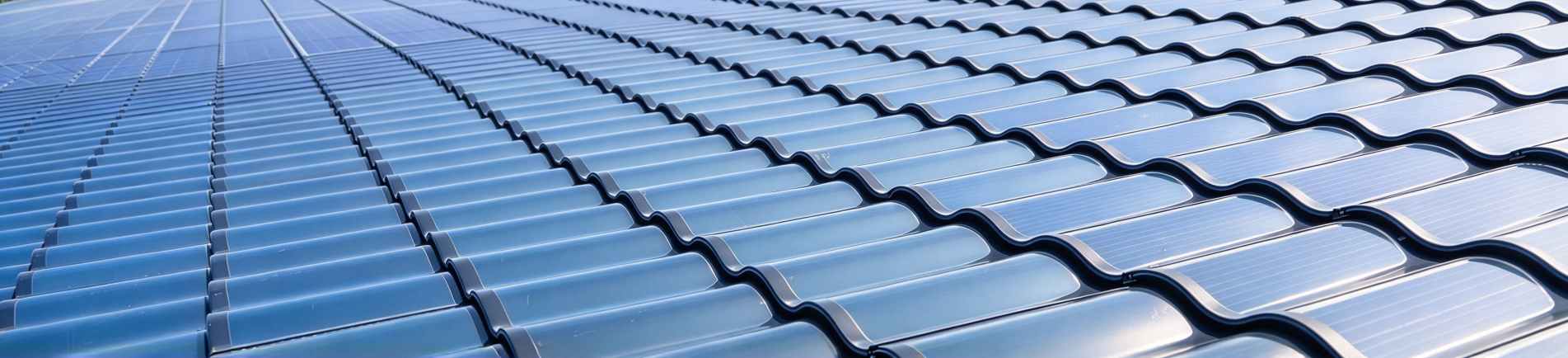
Large-area BIPV curved solar tile roof array for commercial buildings by GreenMore
Home

Blog

Blog

  • What size solar battery do I need for my home?
    What size solar battery do I need for my home? Mar 10, 2025
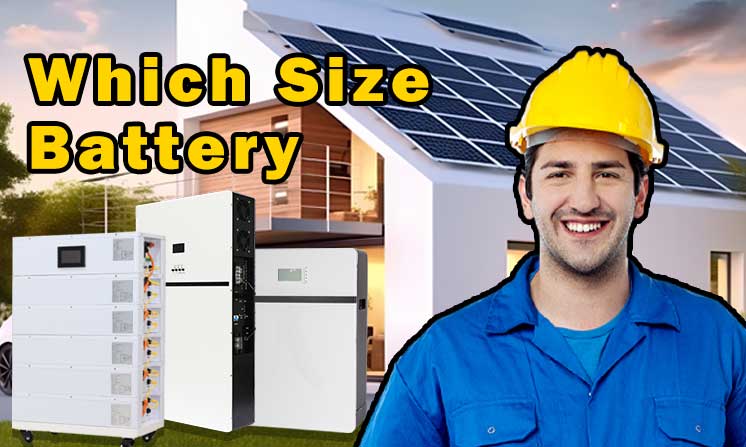
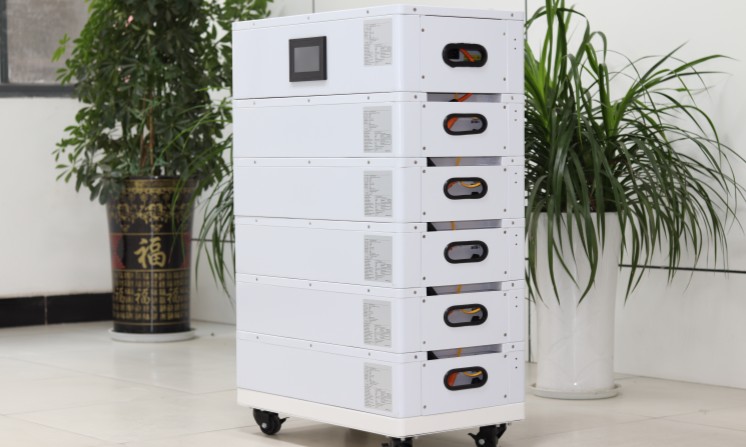
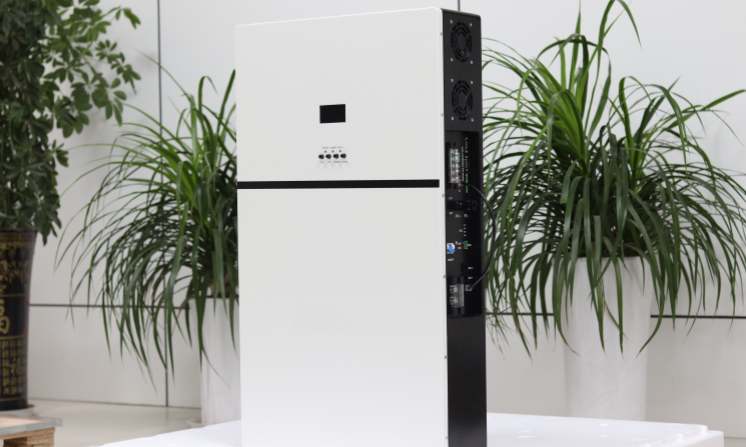
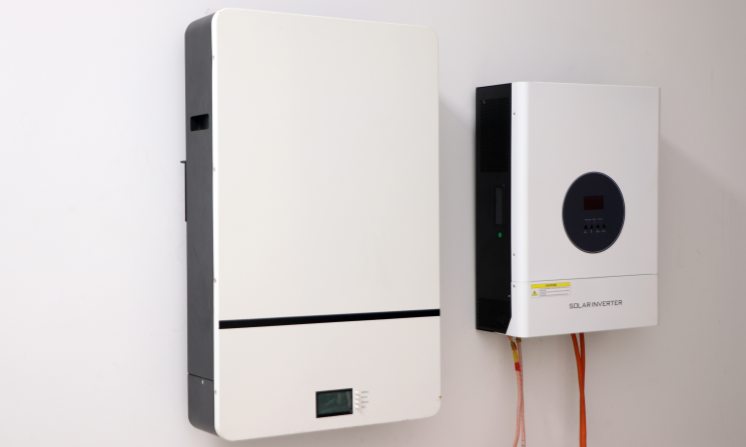
    P Peter Lu Energy Storage Product Manager, GreenMore There is no single correct battery size for every home. A system that is too small runs out during the evening or a long outage; one that is too large costs more than it will ever save. The right number comes from three things: how much electricity the loads you care about actually use, how long you want them to run without the grid, and how much of that energy the battery can realistically deliver. This guide walks through all three and ends with a simple worked example. Step 1: Build your load profile Start from your electricity bill, which states daily or monthly kilowatt-hours, rather than guessing from a list of appliances. Then separate the loads you want to keep running during an outage or overnight from the ones you can do without. Refrigeration, lighting, internet, a fan or a small heat-pump circuit usually make the essential list; an electric oven, clothes dryer or whole-house air conditioning often do not. To make this concrete, read the nameplate power of each essential appliance and multiply by the hours it runs per day. A 150 W refrigerator cycling for 8 hours, for example, uses about 1.2 kWh. Add the essential loads together to get your daily critical load. A small efficient home might land near 5 kWh, a typical family home around 10 to 15 kWh, and a large home with electric heating considerably more. If your main goal is savings rather than backup, also check your utility's time-of-use schedule. Under a plan with a clear peak and off-peak gap, the battery should be large enough to shift a meaningful share of your evening consumption; where rates are flat all day, size mainly for backup and solar self-consumption. Treat any quoted prices as illustrative — tariffs differ by utility and change over time, so use your own plan. Step 2: Decide your backup target Next, decide how long the essential loads must run on their own. Most homes aim to cover one evening and night until solar returns, which is effectively a one-day target. Off-grid and weak-grid homes may want two days or more to ride through cloudy weather. Backup days multiply the energy you need, so this single decision has the biggest effect on cost. Basic backup — lights, refrigerator and communications for a short outage; roughly 3 to 5 kWh of usable energy. Comfort backup — adds heating or cooling, a water heater and kitchen circuits; commonly 8 to 15 kWh. Whole-house or off-grid — running the full home for a day or more; usually 20 kWh upward and often a generator for long stretches. Step 3: Apply depth of discharge and efficiency You cannot use 100% of a battery's nameplate capacity repeatedly without shortening its life. The usable share is set by the recommended depth of discharge (DoD), and some energy is lost in the inverter, cabling and battery itself. Lithium iron phosphate (LiFePO4) systems commonly allow about 90% DoD and run at a round-trip efficiency near 90%, but the exact figures come from the product datasheet, and it is sensible to leave a small margin rather than cycle at the limit every day. Battery capacity (kWh) = daily critical load × backup days ÷ (DoD × system efficiency) Worked example Suppose the essential loads total 12 kWh per day. For one night of backup with a DoD of 0.9 and efficiency of 0.9: 12 × 1 ÷ (0.9 × 0.9) ≈ 14.8 kWh Rounding up leaves headroom, so a system around 15 to 20 kWh fits a one-night target. If the same home wanted two days of autonomy, the requirement doubles to about 30 kWh — a decision worth comparing against adding a backup generator, which is cheaper for rare multi-day events. Note the distinction between nominal and usable capacity: a battery sold as a certain kWh delivers less to the wall, so always size from usable energy. Home situation Typical usable capacity Configuration Apartment or small house, short outages 5 to 10 kWh Single wall-mounted battery, single phase Family home, one-night backup 10 to 20 kWh Wall or stacked system, hybrid inverter Large home or villa, three-phase loads 20 to 30 kWh Stacked modules, three-phase inverter Off-grid or two-day autonomy 30 kWh+ Multiple modules, often with a generator Leave room to grow A modular battery lets you add capacity later, but only if the inverter and communication bus support it. It is common to start with enough storage for the essentials, add modules when an electric vehicle or heat pump arrives, and integrate solar on the same system. Confirm the expansion limit and that new modules are compatible before buying; not every wall-mounted battery can be extended, and mixing different generations can be restricted. GreenMore energy storage batteries support parallel expansion of up to 15 units What to check before you buy Match the battery and inverter. Their voltage windows, power rating and control protocol must be compatible. A battery is only as useful as the inverter it pairs with, so confirm the combination works rather than buying them separately on price. Check real certifications. Ask for the documents relevant to your market, such as CE and IEC for many regions, plus UN38.3 and MSDS for transport and handling. Safety testing such as IEC 62619 is a good sign; verify the certificate rather than relying on a logo. Compare usable capacity and warranty, not sticker size. Two batteries with the same nominal kWh can differ in usable energy, cycle life and warranty terms. Read the cycle definition and warranty period — GreenMore covers non-tile storage components for 3 years. Avoid undersizing on price. A battery that is regularly flattened or pushed past its limits will not reach its rated life. If budget is tight, protect the essential loads and expand later rather than running a small unit at its limit. You can see the residential range on our home energy storage category page and the home energy storage system product page. If you send us your bill, appliance list, country and backup target, we can work through the sizing with you — use the contact page or email export@gmsolarkit.com. FAQ Is a 5 kWh battery enough for a house? For a small efficient home that only needs to keep lights, a refrigerator and internet through a short outage, around 5 kWh of usable storage can be enough. It will not run heating, cooling or the whole home overnight, and it is tight where outages last more than a few hours. What is the most common home battery size? Most grid-connected family homes land between 10 and 20 kWh of usable capacity, which covers the essential loads through one night. The right point within that range depends on your evening consumption, whether you heat with electricity and how long local outages tend to last. Should I use nominal or usable capacity when sizing? Use usable capacity. Nominal capacity is the battery's full rating; usable capacity is what remains after the DoD and efficiency limits. A 12 kWh nominal battery might deliver around 10 kWh to your appliances, so sizing from usable energy avoids coming up short. Is it cheaper to add a battery or a generator for long outages? For frequent short outages and daily savings, a battery is clean, quiet and automatic. For rare multi-day events, a generator — or a hybrid system that uses a battery first and a generator for extended bad weather — usually costs less than buying enough storage for several days of autonomy. P Written by Peter Lu — Energy Storage Product Manager, GreenMore Peter works with distributors, installers and system integrators to size residential and commercial storage around real load profiles. He focuses on LiFePO4 systems that match the inverter, grid rules and backup needs of each destination market.

  • How to use home solar batteries correctly
    How to use home solar batteries correctly May 14, 2024
    P Peter Lu Energy Storage Product Manager A home solar battery does not need much day-to-day attention, but how you charge it, where you install it and how deeply you discharge it all affect both its lifespan and safety. The short version: keep it in a cool, dry, ventilated spot, avoid running it all the way down on a regular basis, use compatible certified charging equipment, and leave servicing to qualified installers. Follow those habits and the battery will deliver close to its rated cycle life rather than aging early. Residential off-grid solar system architecture diagram Keep the temperature moderate Lithium batteries are sensitive to heat, and sustained high temperatures are the most common cause of shorter cycle life. Charging in very cold conditions is also hard on the cells, which is why most systems reduce charging current when it is cold. Practical steps: Install the battery in a cool, dry, ventilated location and out of direct sunlight where possible. Do not enclose it in a tight, unventilated cupboard next to a heat source. In very hot climates, a shaded outdoor wall or a conditioned space makes a noticeable difference over the years. The exact operating range depends on the model, so check the specification sheet rather than assuming a single figure for every battery. Charge and discharge sensibly Modern home batteries use lithium iron phosphate (LiFePO4) cells managed by a battery management system (BMS), so you do not have to micromanage every charge. A few habits still help: Avoid regular full drains. Letting the battery sit near empty stresses it more than staying in the middle of its range. The BMS will cut in before true zero, but it is best not to rely on that every day. Use scheduled charging where it helps. Many systems can charge from solar or off-peak tariff hours and discharge in the evening; turning on that mode both saves money and keeps cycling predictable. Spread heavy loads. Starting several large appliances at once can draw high current; staggering them keeps the battery and inverter within a comfortable range. Use compatible equipment. Charge with the inverter and settings the system is designed for, rather than an unmatched charger. Installation and what to inspect A correctly mounted, certified battery is the starting point. It should be secured to a suitable wall or floor according to the installer's instructions, kept clear of stored items, and protected from moisture and physical impact. Every so often it is worth a quick visual check for: A swollen, cracked or deformed casing, or unusual marks around the unit. Loose or damaged cabling and connections. Standing water, damp or excessive dust around the installation. If anything looks wrong, stop using the system and contact your installer. Do not open or repair the battery yourself; the cells are sealed and internal work needs a qualified technician. Storing a battery you are not using If the system will be off for a while, do not put it away full or empty. A partial state of charge, stored somewhere cool and dry, is the safest condition. Situation Recommended handling Short-term shutdown Leave it at roughly half charge in a cool, dry place and follow the model's storage guidance. Long periods idle Check the state of charge periodically and top it back up so it does not sit empty for months. End of life Return it through the supplier or a licensed battery recycler; do not put it in household waste. Common misunderstandings Habit to avoid Better approach Draining the battery fully on a daily basis Keep routine cycling in the middle of the range; reserve deep discharge for occasional need. Mounting it somewhere hot and unventilated Choose a cool, dry, ventilated location out of direct sun. Using an unmatched charger or inverter Use the certified equipment and settings the battery is specified for. Opening the pack to repair it yourself Have all servicing done by a qualified installer or technician. GreenMore's home energy storage batteries use LiFePO4 cells with a built-in BMS to monitor voltage, temperature and balance, and they are installed with compatible inverters. If you would like guidance on settings or a suitable unit for your household, browse the home storage range or talk to our team. Frequently asked questions Is it bad to fully discharge a home battery? An occasional full discharge will not damage a BMS-protected LiFePO4 battery, because the system shuts off before the cells are harmed. Doing it every day, or leaving it empty for long periods, does shorten life, so routine use in the middle of the range is best. Where should a home battery be installed? In a cool, dry, ventilated location that meets the manufacturer's clearance requirements, secured against movement and protected from moisture and direct heat. Some units are rated for outdoor wall mounting; others are intended for indoor spaces, so check the model. Do I need to turn the battery off when I go away? No. Most systems can stay on and maintain themselves, and backup protection is useful while you are away. If you do need to shut it down for an extended period, store it at around half charge and check it periodically. Can I service the battery myself? Routine visual checks and keeping the area clear are fine, but opening the casing or working on internal components should be left to a qualified installer. The cells are sealed and carry high DC voltage. P Peter Lu Peter is GreenMore's Energy Storage Product Manager. He advises homeowners and installers on battery settings, placement and charge habits that get the full rated life from LiFePO4 systems, and he focuses on practical safety rather than complicated maintenance routines. Reach him through the contact page or at export@gmsolarkit.com.
  • What's the best home battery?
    What's the best home battery? Mar 26, 2025
    P Peter Lu Energy Storage Product Manager There is no single "best" home battery for every house; the right one is the unit that matches your daily usage, the loads you want to keep running in an outage, and your local electricity tariffs. The models worth shortlisting share a few things in common: lithium iron phosphate (LiFePO4) cells, a clearly stated usable capacity and power rating, a solid warranty, and the certifications required in your market. This guide explains how to compare them rather than relying on the biggest number on the brochure. GreenMore Premium Home Energy Storage Battery Series Start with the chemistry Most new home batteries use LiFePO4 cells, and for good reason. Compared with the older NCM and NCA chemistries used in some electric vehicles and early batteries, LiFePO4 is more thermally stable and less prone to thermal runaway, tolerates more charge cycles, and generally lasts longer. That combination is why it has become the default choice for stationary home storage. It is not immune to damage if misused, but it is the safer chemistry to install in or near a living space. Specifications that actually matter Battery datasheets mix several different numbers. The ones below are the ones to compare side by side. Specification What to check Usable capacity Use the usable kWh, not just nominal capacity. A 10 kWh nominal battery may reserve some energy and deliver less to your home. Power rating Continuous output in kW sets what the battery can run at once. A high-capacity but low-power battery may not start an air conditioner. Round-trip efficiency The share of energy returned after charging and conversion. Higher is better; losses come from both the battery and inverter. Cycle life and warranty Compare cycles at a stated depth of discharge alongside the warranty years and any throughput guarantee. Backup capability Some systems back up only a few critical circuits; whole-home backup needs grid-forming hardware and correct wiring. Certification Confirm the battery carries the safety and grid-connection certifications required in your country, not generic claims. Match the battery to your household Capacity and form factor should follow how much electricity you use and which loads matter. A typical starting point is to cover the evening peak and a few essential backup circuits rather than trying to run the entire house indefinitely. Household Suitable setup Small to medium home A compact wall-mounted battery paired with a suitably sized inverter, covering evening loads and essential backup. Large home or villa A modular stacked system that can be expanded, with higher power for heating, pools and multiple large appliances. Frequent or long outages A grid-forming battery sized for critical loads, often paired with enough solar to recharge the next day. Don't overlook the BMS and support A battery management system (BMS) monitors every cell's voltage and temperature, balances charge across cells, and disconnects the system if a limit is exceeded. It is the main thing protecting the cells day to day, so a well-designed BMS with clear monitoring is more meaningful than vague "smart" claims. Equally important is what happens after installation: confirm the warranty terms, who handles a faulty unit, and whether spare parts and support are available in your country. A slightly cheaper battery with weak support can cost more over its life. GreenMore offers home energy storage batteries built with LiFePO4 cells and a BMS for monitoring, balancing and protection, in wall-mounted and modular form factors with compatible inverters. Rather than a fixed package, we size the system against your actual usage and tariff plan and provide the documentation needed for installation in your market. You can explore the home storage range or send us a recent electricity bill for a recommendation. Frequently asked questions How many kWh does a typical home need? It varies with household size and usage. Many homes find that a battery covering the evening peak and a few essential backup circuits delivers the best value, rather than buying enough capacity to run everything. Your recent electricity bills give the most accurate figure. Is a bigger battery always better? No. An oversized battery that rarely fills wastes money, while one that is too small runs out early. The power rating matters as well: a large-capacity battery with low continuous power may not run the appliances you care about. Can a home battery power the house during an outage? Only if it is installed with backup capability. Some systems back up selected critical circuits, while grid-forming whole-home systems can run more of the house. Runtime still depends on capacity and on solar to recharge. How long does a home battery last? LiFePO4 batteries are rated for several thousand cycles under the manufacturer's specified conditions, and usable life depends on cycling depth, temperature and settings. Compare the cycle-life figure together with the warranty years rather than looking at either alone. P Peter Lu Peter is GreenMore's Energy Storage Product Manager. He helps homeowners and installers compare batteries by usable capacity, power, efficiency and warranty rather than headline numbers, and he focuses on LiFePO4 systems that are correctly sized and properly supported. Reach him through the contact page or at export@gmsolarkit.com.
  • How many KWh is 51.2V 200Ah?
    How many KWh is 51.2V 200Ah? Mar 26, 2025
    P Peter Lu Energy Storage Product Manager A 51.2V 200Ah battery stores 10.24 kWh of energy. You get there by multiplying voltage by ampere-hours and dividing by 1,000: 51.2 × 200 ÷ 1,000 = 10.24 kWh. This is one of the most common capacities in 48V-class home storage, and it is typically built from 16 LiFePO4 cells in series (16 × 3.2V = 51.2V nominal). A popular science illustration of residential energy storage battery capacity and kilowatt-hours The calculation explained Ampere-hours (Ah) describe how much current a battery can deliver over time, while volts (V) describe its electrical pressure. Multiplying the two gives watt-hours (Wh), and dividing by 1,000 gives kilowatt-hours: Energy (kWh) = Voltage (V) × Capacity (Ah) ÷ 1,000= 51.2 × 200 ÷ 1,000= 10.24 kWh The same rule works for other sizes. For example, a 51.2V 100Ah battery holds 5.12 kWh, and a 48V 200Ah battery holds roughly 9.6 kWh. If you only know the Ah figure, you cannot find the energy without the voltage, which is why both numbers appear on the specification label. Nominal vs usable capacity The 10.24 kWh figure is the battery's nominal energy. In real use you may not be able to draw all of it. Most systems reserve a small amount at the bottom to protect the cells, and some energy is lost in the battery and inverter during conversion, so the usable energy delivered to your loads can be slightly below 10.24 kWh. When comparing batteries, check whether the quoted figure is nominal or usable, because two units labelled "10 kWh" are not necessarily equal once conversion losses and reserves are counted. What 10.24 kWh covers in a home How far 10.24 kWh goes depends on your household. As a rough guide, it can carry efficient essentials — lighting, a refrigerator, communications and some electronics — through an evening or an outage, while heavy heating, cooling and electric cooking draw it down quickly. Average daily consumption varies widely by country and home, so the most reliable estimate comes from your own electricity bills rather than a generic figure. Configuration Nominal energy Typical role 1 × 51.2V 200Ah 10.24 kWh Evening self-consumption and essential backup for a small to medium home. 2 units in parallel 20.48 kWh Larger evening load and longer backup runtime. 3 units in parallel 30.72 kWh Higher-consuming home or extended off-grid use with solar recharge. Why capacity is given in kWh It matches the bill. Electricity is charged in kWh, so stored kWh directly tells you how much evening or peak-tariff energy the battery can replace. It matches the inverter. Inverter and solar-array sizing is done in kW and kWh, so the battery's energy figure shows whether the system is balanced. It is required for certification. Standards such as IEC and UL expect the energy rating to be clearly marked so safety and compatibility can be checked. Expanding with parallel modules Modular 48V-class batteries can often be added in parallel to increase total energy while keeping the same voltage, which lets you start with one unit and add more later. The exact number of modules supported and the cabling rules depend on the model and its BMS, so check the specification rather than assuming any number can simply be connected. Adding modules in stages is often more practical than buying the full capacity up front, provided the inverter and wiring are rated for the final size from the start. GreenMore supplies home energy storage batteries built around 51.2V LiFePO4 modules with a BMS for monitoring, balancing and protection, together with compatible inverters. We size the number of modules against your actual usage and backup needs rather than quoting a fixed package. Browse the home storage range or send us your recent electricity bill for a recommendation. Frequently asked questions Is 51.2V the same as a 48V battery? Essentially, yes. A 16-cell LiFePO4 battery has a nominal voltage of 51.2V but is commonly called a 48V system because it works with 48V inverters. Its actual voltage moves with state of charge, from roughly 40V when empty to about 58.4V fully charged. Is the full 10.24 kWh available to use? Not always. The figure is nominal; systems typically reserve some energy to protect the cells, and conversion through the inverter causes small losses. Check the stated usable capacity when comparing models. Can I add more batteries later? Usually, if the model supports parallel expansion and the inverter and cabling are rated for the larger size. Confirm the maximum number of modules and the installation requirements before you buy, so the system can grow without being replaced. How many 10.24 kWh units does a home need? That depends on daily usage and backup goals. Many homes start with one unit for evening self-consumption and essential backup, adding a second or third if they use more power or want longer runtime. Your electricity bills give the most accurate starting point. P Peter Lu Peter is GreenMore's Energy Storage Product Manager. He helps homeowners and installers convert battery voltage and Ah figures into usable kWh, size parallel modules against real load profiles, and understand the difference between nominal and usable capacity. Reach him through the contact page or at export@gmsolarkit.com.
  • What does GreenMore do?
    What does GreenMore do? Sep 27, 2026
    J Jimmy CEO, GreenMore · BIPV solar tiles & roof systems People land on our site from a few different directions. Some search for solar roof tiles. Others look for home batteries or a containerized energy storage system. So the short question — what does GreenMore actually do? — deserves a straight answer. GreenMore is a photovoltaic tile factory making building-integrated photovoltaics (BIPV) products for export. Our core product is the three-arch curved solar tile, designed for rooftops where the look of the building matters as much as the kilowatt-hours it produces. We manufacture it in our own facility alongside flat and curved photovoltaic tiles, solar floor tiles and photovoltaic curtain walls, and we also supply complete solar power systems and matching energy storage, so an overseas partner can source the building material, the power system and the battery from one team. GreenMore Solar Tile Factory We sell building materials that generate power The easiest way to understand BIPV is to contrast it with a normal solar installation. In a conventional rooftop setup, standard framed panels are mounted on top of an existing roof with rails and clamps. The panels and the roof are two separate things. BIPV flips that order: the photovoltaic product is part of the building envelope. It replaces conventional roof tiles rather than sitting above them. That is why we describe our tiles as three products in one: a building material that keeps the weather out, a photovoltaic module that generates electricity and a finished surface that gives the roof its appearance. Once you think of a solar tile as a building material, the requirements become clear — it has to handle wind, snow, rain and UV exposure like any roof covering, not just perform on a test bench. Our roof tiles are engineered for a 5,400 Pa mechanical load and are backed by a 25-year power warranty. The product line Here is the full range, starting with the product we are known for. Three-arch curved solar tile Our flagship. Its bionic triple-wave profile follows the shape of traditional barrel and pantile roofs, so it suits villas, heritage-style and cultural buildings, resorts and courtyard homes where flat panels would look out of place. The CIGS thin-film version is rated at 32 W per tile, and the back-contact (BC) version runs from 37 W to 50 W per tile. You can browse the range on our solar tiles category page. Flat and curved photovoltaic tiles For simpler roof planes we supply flat-laid and stacked photovoltaic tiles that replace conventional tiles with a thinner, more uniform surface. They are often combined with the three-arch tile — curved tiles on the visible front face, flat tiles on the larger rear planes — to balance appearance and cost. Solar floor tiles and PV bricks Our photovoltaic floor tiles are built to be walked on, with an anti-slip surface for terraces, garden paths, plazas and outdoor display areas. They extend the same idea from the roof down to the ground without using fragile standard panels. Solar power systems Tiles alone do not make a working system. We design and supply the complete solar side — the string or micro inverters, mounting and waterproofing accessories, cabling, monitoring and the roof layout — and we pre-configure it for the grid rules of the destination country. Customers who want a conventional ground-mount or rooftop array alongside a BIPV roof can source that from us as well. Energy storage To make the solar usable after sunset and during outages, we offer wall-mounted and stacked home batteries and commercial battery cabinets. Storage is a supporting product for us rather than the main event, but it lets us deliver a genuine solar-plus-storage package. You can see the scope on our home energy storage solutions and commercial energy storage solutions pages. How we work: a factory, not a trading desk GreenMore is a photovoltaic tile factory, not a trading company passing orders between third parties. Our core products — solar tiles (including the three-arch tile), photovoltaic bricks and photovoltaic curtain walls — are made in our own production facility, from the glass and cell build-up through lamination, framing and the finished roof unit. We manage the quality checks and certification in-house and provide the technical support after delivery. The complete solar power and storage systems we supply are supporting products, integrated around the tiles we manufacture. We are a focused, growing factory rather than a giant mass producer, and that shape suits BIPV work well. We can support custom colors and profiles, stay flexible on order size and inspect every batch against agreed specifications before shipment. The products we export carry the certifications the target market accepts, and where you need certificates, we provide the actual documents rather than a logo on a slide. Who we work with We are a business-to-business supplier, so we do not sell single roofs directly to homeowners. Our customers are the companies that deliver those projects: Distributors and dealers who stock solar tiles and batteries for their local market. Installation contractors and roofers who need a tile they can fit with familiar roofing methods. System integrators and EPC firms delivering villas, resorts, heritage renovations and small commercial buildings. Architects and project owners looking for a photovoltaic finish that fits the design rather than fighting it. Our strongest markets today are Europe and the Middle East, with a growing number of projects in Africa, Southeast Asia and the Americas. We are a young and growing brand, and we are selective about the partners we take on so we can support each one properly. One source, fewer hand-offs The practical reason buyers come to us is simple coordination. Sourcing photovoltaic tiles from one vendor, inverters from a second and batteries from a third means three sets of specifications, three shipments and three people to call when something does not match. We put those pieces together as one BIPV package, confirm they are electrically compatible and stand behind the result. If you are planning a metal-roof or sloped-roof project, our metal roof BIPV page walks through the installation approach, and the full catalog is available on our products page. Talk to us about your project Send us the building type, roof area, country and target capacity, and we will come back with a product shortlist, a roof layout and an indicative quote. Reach us through the contact page or email export@gmsolarkit.com. Updated on October 3, 2026
1 2 3 4 5 6
A total of6pages

Subscribe To Our Newsletter

Stay up to date with GreenMore. We share new BIPV solar tile releases, product and certification updates, and field notes from our projects — no fluff, just the things that matter to installers, distributors, and system integrators. If there's something you'd like to see covered, drop us a line — we read every reply.

Copyright @ 2026 GreenMore All Rights Reserved. Network Supported

Sitemap / Blog / Xml / Privacy Policy

leave a message

leave a message
If you are interested in our products and want to know more details,please leave a message here,we will reply you as soon as we can.
submit

Home

Products

WhatsApp

contact